English
  日本語
日本語  한국어
한국어  français
  Deutsch
  italiano
  русский
  português
  العربية
  Gaeilge
Address
PORT INDUSTRIAL ZONE,TIANHUANGPING TOWN, ANJI COUNTY,ZHEJIANG PROVINCE,CHINA
May 15, 2026



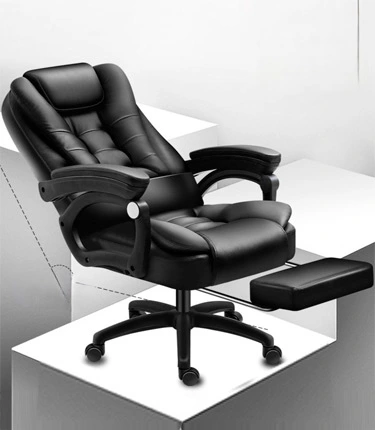
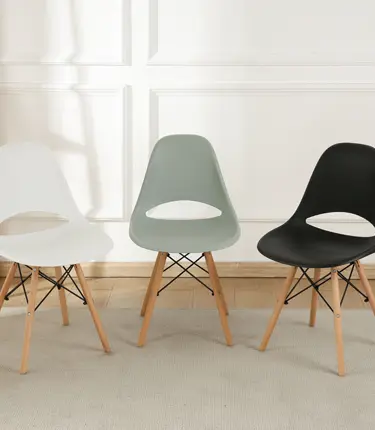
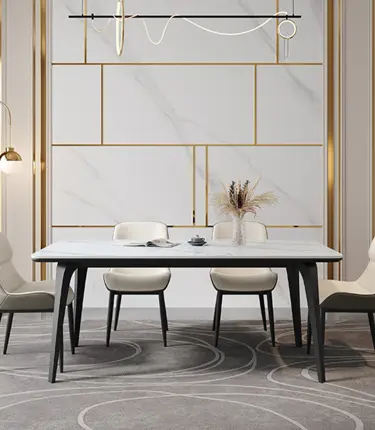
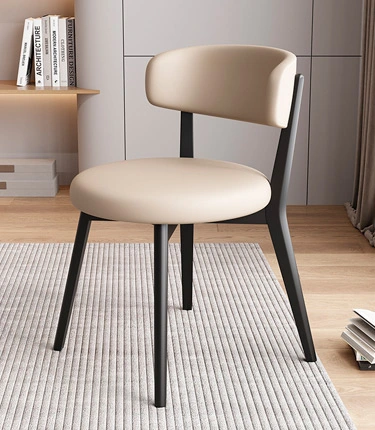
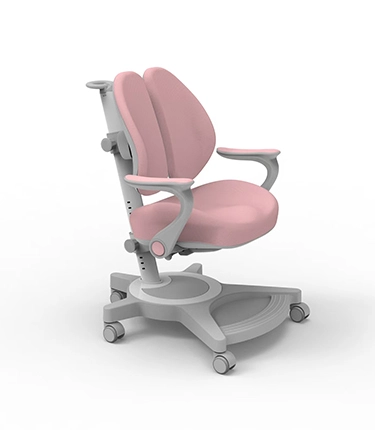
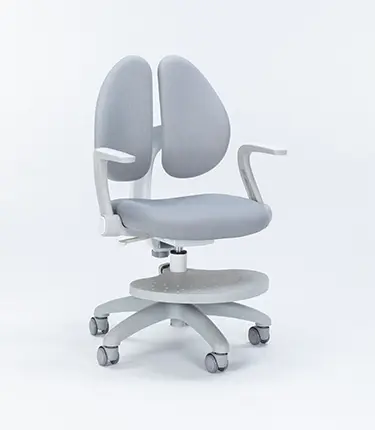
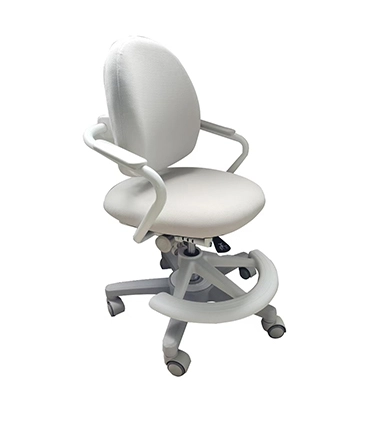
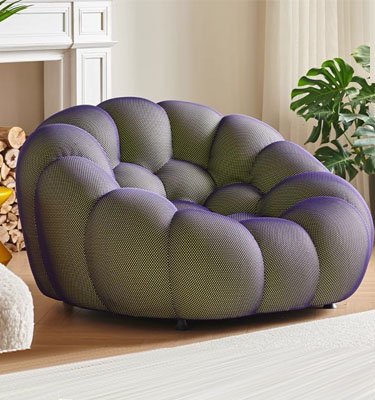
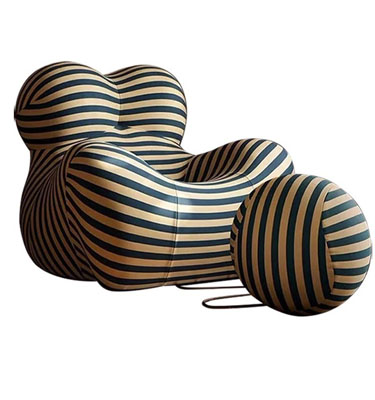
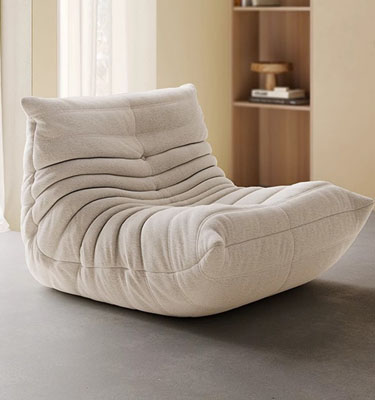
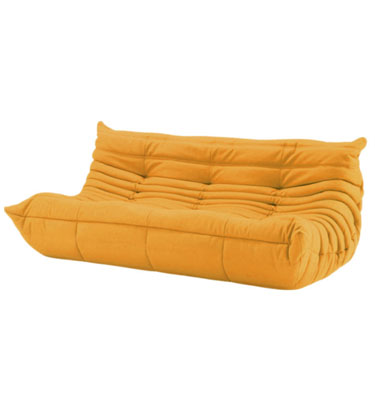

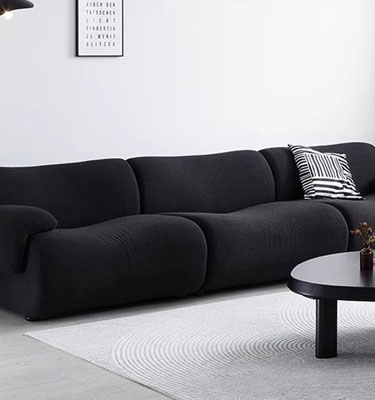
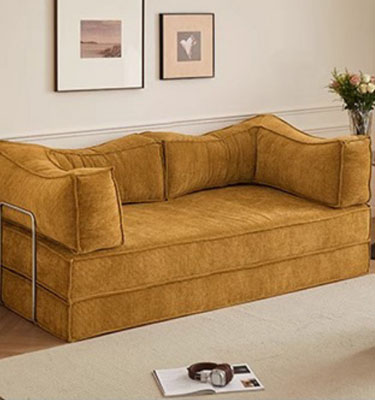
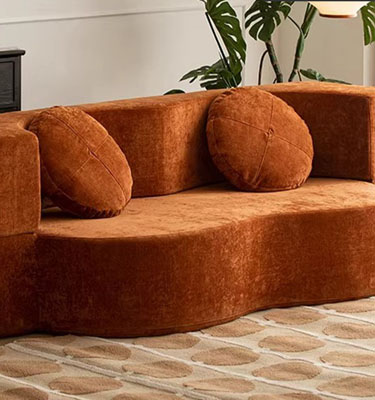

Compression sofas have emerged as a star category in the U.S. furniture market, driven by high residential mobility, the popularity of urban apartments, and the demand for cost-effective, space-efficient home solutions. A well-designed compression sofa must balance aesthetic appeal, post-compression portability, rebound performance, and long-term durability.
This guide outlines the core compression sofa design styles tailored to American consumer preferences and practical usage scenarios.
The modern minimalist compression sofa for sale dominates the U.S. market, especially among 25–35-year-old urban renters and apartment dwellers. This style reflects the “less is more” philosophy and focuses on clean structure and functional practicality.
The silhouette typically features clean linear frames with soft rounded edges and low-profile armrests (≤25 cm) to accommodate robot vacuums. The post-compression package is designed to fit into the trunk of a standard SUV (≤0.5 m³). A compact 2-seater (180 × 85 × 90 cm) remains the best-selling size.
Neutral tones such as ivory white, light gray, and charcoal black form the base palette. Detachable accent cushions in muted shades like caramel, sage green, or navy blue add variation without limiting interior compatibility.
For fabric selection, stain-resistant polyester-linen blends or performance velvet (Oeko-Tex 100 certified) with water-repellent coating are preferred. A qualified compression sofa in this category combines sinuous spring support with high-density foam (≥30D) that rebounds to 95% of its original shape within 72 hours after unboxing. Optional under-seat storage further improves functionality for small spaces.
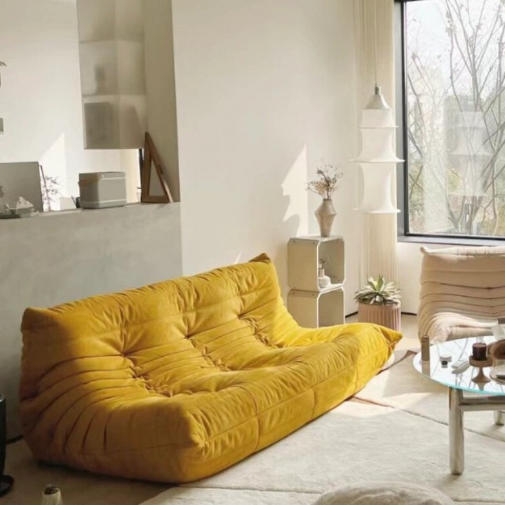
The mid-century modern compression sofa targets 30–45-year-old consumers who value timeless design with practical performance. It blends retro character with modern structure, making it suitable for compact yet style-conscious homes.
This compression sofa style typically features tapered solid wood legs (FSC-certified rubber wood) in walnut finish, sloped armrests, and a slightly tufted backrest. Button tufting is kept minimal to avoid deformation during compression.
Warm earth tones such as taupe, terracotta, and honey oak remain popular, alongside retro-inspired mint green or butter yellow. These colors complement wood textures and align with classic American interiors.
Durable chenille or twill fabrics with reinforced stitching at stress points improve longevity. For 3-seater models, a weight capacity of 1,200 lbs (≥544 kg) and compliance with ANSI/BIFMA durability standards are important performance indicators.
The casual coastal compression sofa responds to the relaxed lifestyle found in coastal states such as California and Florida. Consumers in these regions often look for a light, breathable, and vacation-inspired atmosphere.
This compression sofa design usually features an oversized seat depth (≥90 cm), a low backrest, and wide armrests for lounging. Modular combinations (1-seater + 2-seater) allow flexible layouts in beach houses or small condos.
Color choices include sky blue, seafoam green, and sand beige, sometimes paired with subtle nautical elements. UV-resistant properties are important for sunroom placement.
Solution-dyed polyester helps resist fading and mildew, while breathable base structures reduce moisture buildup. Removable seat cushions with quick-dry foam cores enhance practicality in humid environments.
The industrial urban compression sofa caters to consumers who prefer raw materials and structured aesthetics, commonly seen in converted lofts and downtown apartments.
This style emphasizes boxy frames with exposed black powder-coated steel legs and a streamlined profile. Flat-pack back cushions improve compression efficiency and storage convenience.
Monochromatic color schemes—black, gray, silver—are often combined with distressed PU leather or heavy-duty canvas in khaki or olive green. Fabrics with 50,000+ rub resistance and scratch-resistant metal components are recommended for durability.
Functional details such as foldable armrests with built-in cup holders or sleeper conversion options increase versatility, particularly for studio apartments.
Beyond appearance, a compression sofa for the U.S. market must meet regulatory and structural requirements.
All materials should comply with CARB Phase 2 and CA Prop 65 standards. Compression and rebound performance must be stable, ensuring the sofa maintains structural integrity after vacuum packing and recovers without permanent deformation.
Packaging efficiency is equally critical. A well-designed compression sofa reduces shipping volume while protecting internal structure during long-distance transportation.
Xinchi focuses on compression sofa production and export, with mature vacuum compression technology and stable rebound testing standards.
We support customizable sizes, modular structures, and U.S.-compliant materials, ensuring consistent bulk production for overseas buyers. With experience serving the American market, Xinchi understands that a competitive compression sofa must balance design appeal, compression efficiency, and structural durability.