English
  日本語
日本語  한국어
한국어  français
  Deutsch
  italiano
  русский
  português
  العربية
  Gaeilge
Address
PORT INDUSTRIAL ZONE,TIANHUANGPING TOWN, ANJI COUNTY,ZHEJIANG PROVINCE,CHINA
Jun 10, 2026
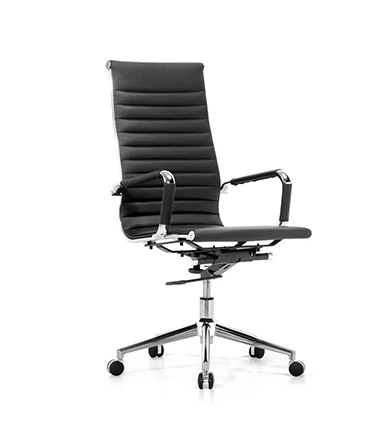
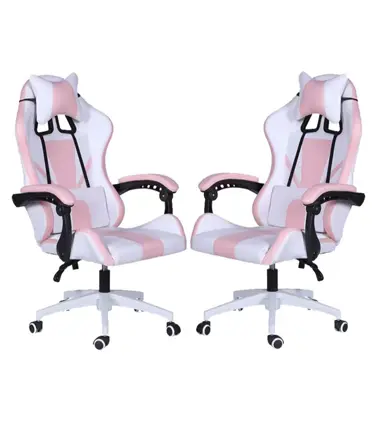
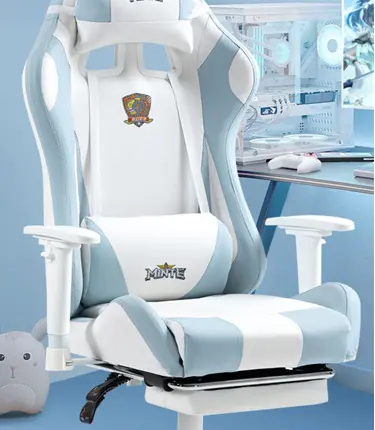

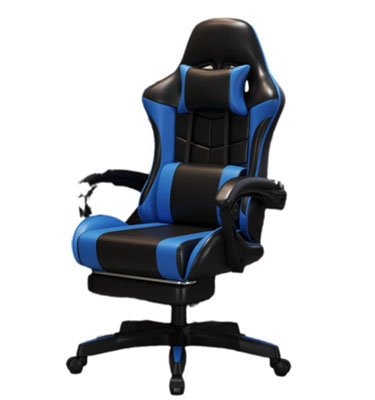




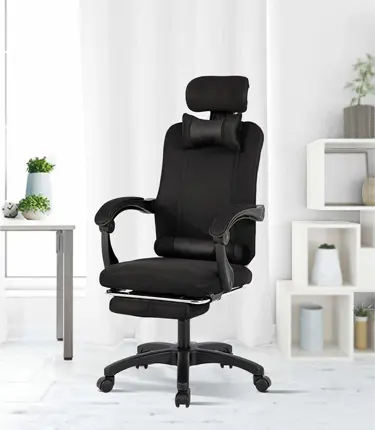
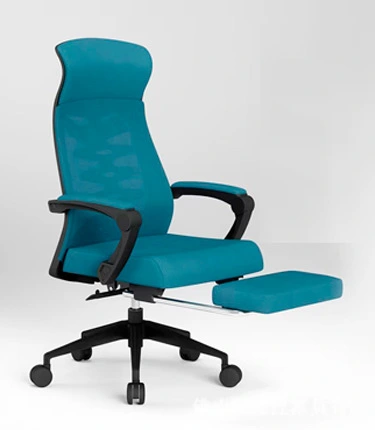
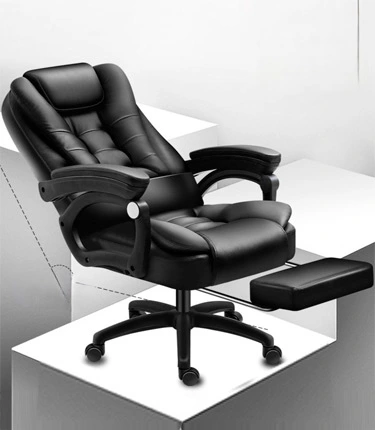


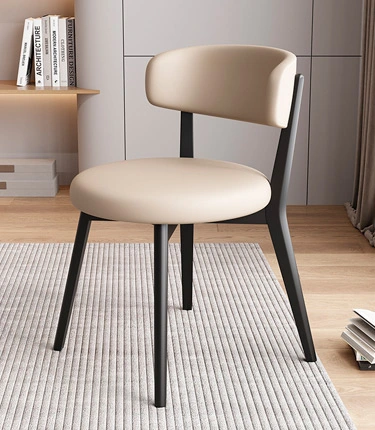
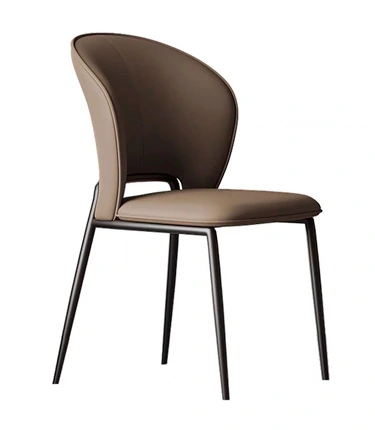
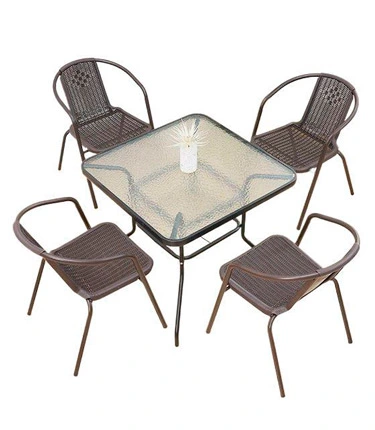
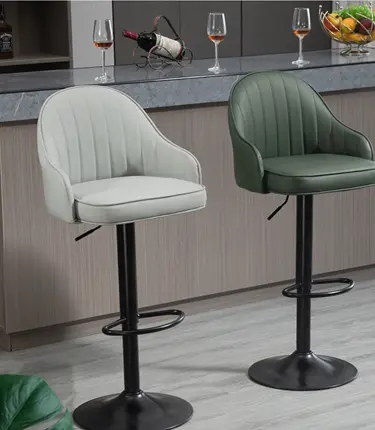

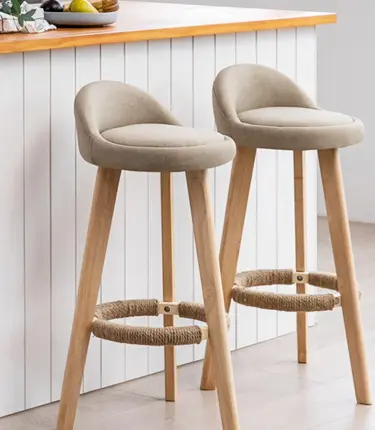
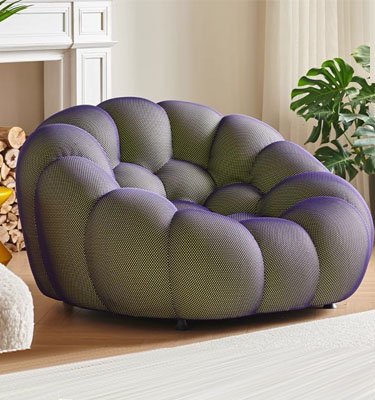
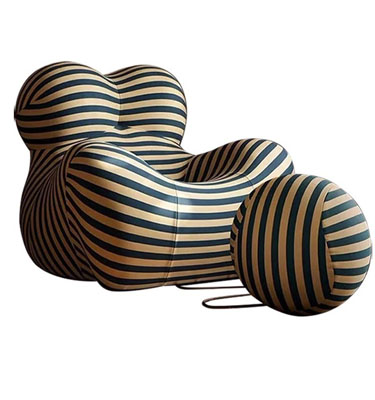
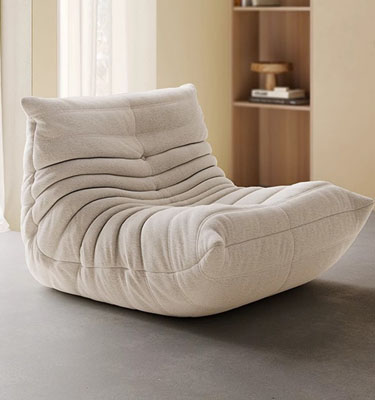
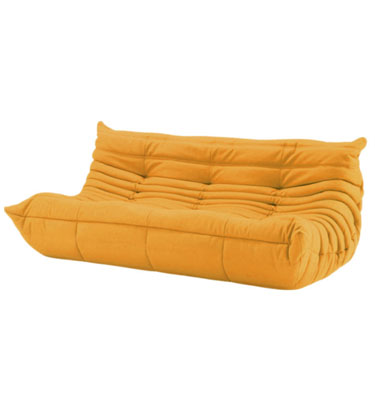

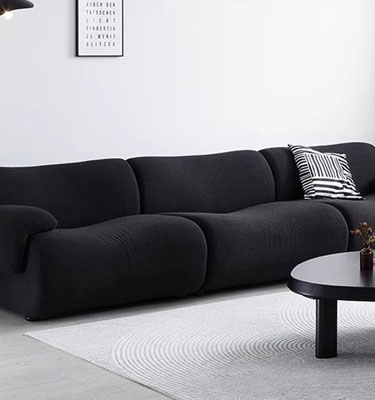

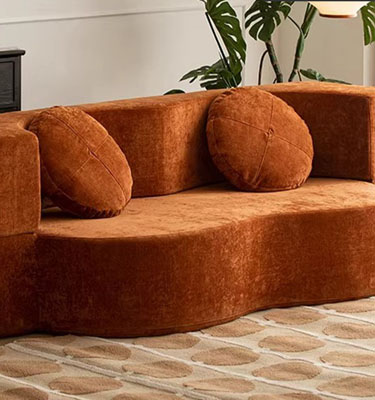

The compressed sofa market is gaining strong momentum as urban living spaces continue to shrink and consumer lifestyles evolve. As a space-saving and logistics-friendly furniture solution, compressed sofas are reshaping how sofas are designed, shipped, and sold globally.
The rapid expansion of the compressed sofa market is closely tied to urbanization and changing housing patterns. As apartments become smaller and mobility increases, consumers are actively seeking furniture that balances comfort, flexibility, and efficient use of space.
Market data shows that the global folding sofas market—where compressed sofa designs play a key role—is projected to grow from USD 8.6 billion in 2024 to USD 14.0 billion by 2030, with a CAGR of around 8.5%, and is expected to reach USD 15.8 billion by 2033.
One of the strongest drivers behind this growth is logistics efficiency. Compared with traditional sofas, compressed sofas can reduce shipping costs by up to 70%, making them especially suitable for DTC brands and cross-border e-commerce. Regionally, the Asia-Pacific market stands out as a high-growth area, supported by rapid urban development and rising disposable incomes.
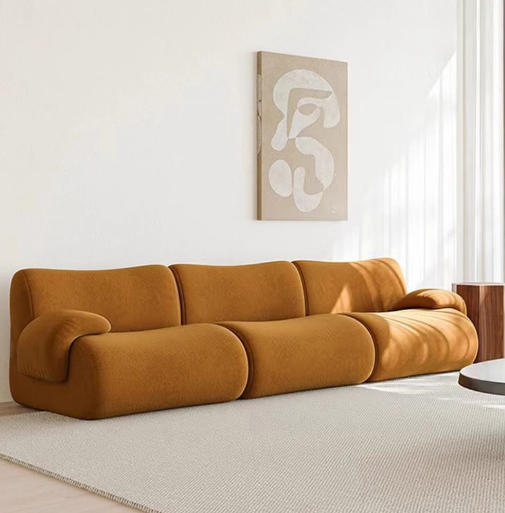
Understanding consumer behavior is critical to competing in the compressed sofa segment. These products are particularly popular among renters, students, and young urban consumers who value portability, affordability, and ease of relocation.
From a product perspective, buyers increasingly expect compressed sofas to be easy to assemble, visually appealing, and multifunctional—such as convertible sofa beds. At the same time, comfort and assembly experience remain key pain points that brands must address to reduce returns and negative reviews.
Material choices also reflect market segmentation. Fabric-compressed sofas dominate the mass and mid-range markets, while leather and premium upholstery materials appeal to higher-end consumers. Sustainability is becoming a growing consideration, with eco-friendly fabrics and responsible material sourcing gaining attention.
Sales channels continue to shift online, where the compact, shippable nature of compressed sofas offers a clear advantage for e-commerce platforms.
Despite strong growth, the compressed sofa market faces several structural challenges. Competition is intensifying, particularly on global e-commerce platforms, where price competition among sellers—especially from China—can quickly erode margins.
There are also lingering concerns around durability and long-term comfort. Some consumers still perceive compressed sofas as inferior to traditional framed sofas, making product quality and clear communication essential.
On the supply side, sudden surges in demand can put pressure on manufacturing capacity and delivery schedules. In peak periods, some suppliers report order backlogs lasting several months, highlighting the importance of stable production planning.
Looking ahead, the future of the compressed sofa market will be shaped by innovation and sustainability, not by price alone. Eco-friendly materials, recycled fabrics, and low-impact production processes are expected to play a larger role in purchasing decisions.
Product innovation is also accelerating, with modular compressed sofa designs, smart features, and improved cushioning structures aimed at enhancing comfort after decompression. Brands that successfully combine compact packaging with real seating comfort will gain long-term competitive advantages.
Ultimately, success in the compressed sofa market will depend on differentiation—through quality, comfort, and brand positioning—rather than competing solely on cost.
In compressed sofa projects, Xinchi compressed sofa manufacturer focuses on providing reliable supply coordination and quality-focused product solutions for international furniture buyers. With experience working alongside mature sofa manufacturing partners, Xinchi supports customers in areas such as product specification alignment, quality inspection standards, packaging optimization, and stable delivery schedules.
By emphasizing practical design execution, consistent quality control, and export-oriented support, Xinchi helps brands and importers bring competitive compressed sofa products to market efficiently—especially for online and cross-border sales channels.