English
  日本語
日本語  한국어
한국어  français
  Deutsch
  italiano
  русский
  português
  العربية
  Gaeilge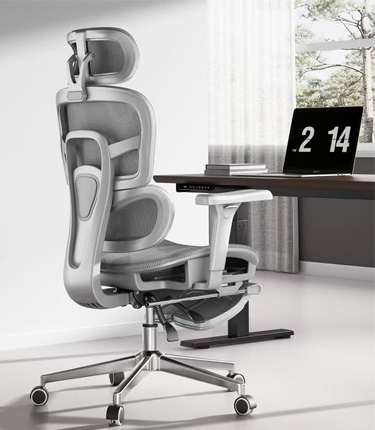
Address
PORT INDUSTRIAL ZONE,TIANHUANGPING TOWN, ANJI COUNTY,ZHEJIANG PROVINCE,CHINA
May 11, 2026
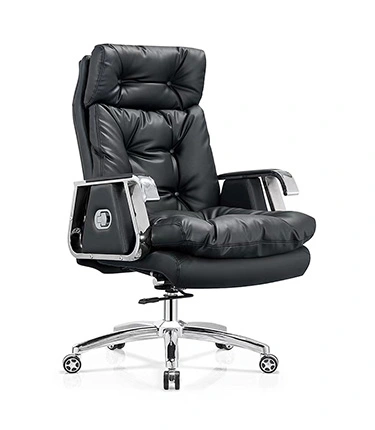
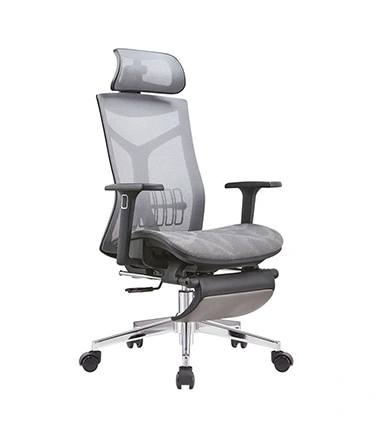
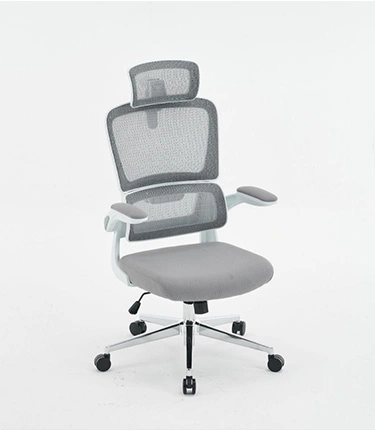
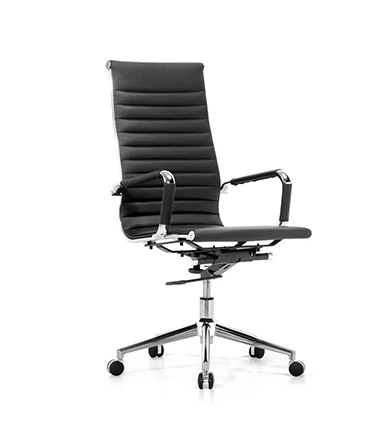
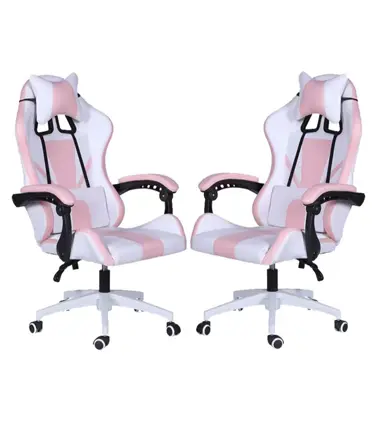
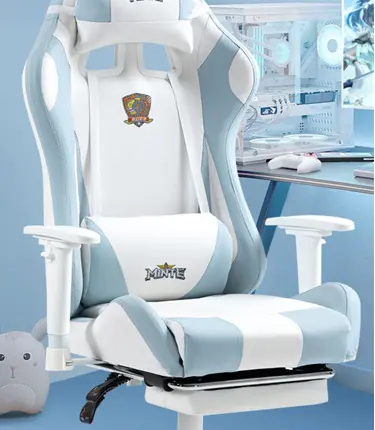
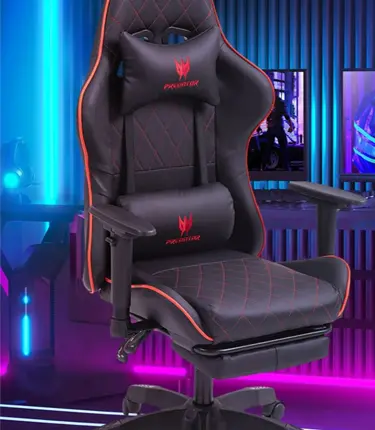
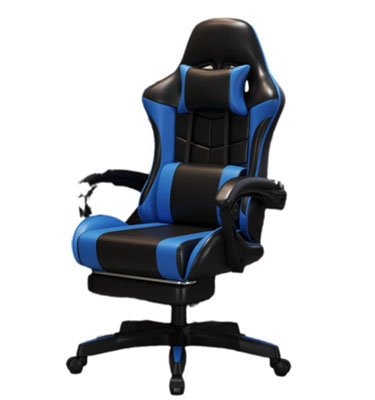
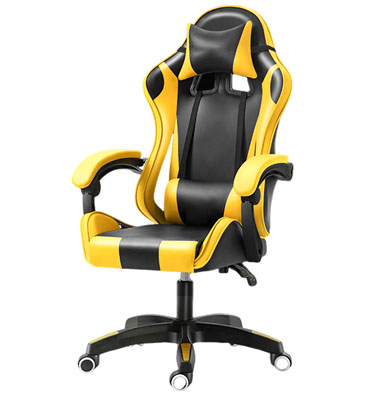
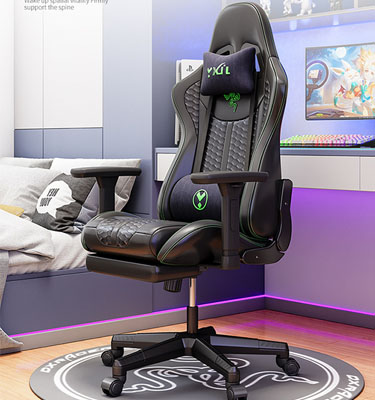

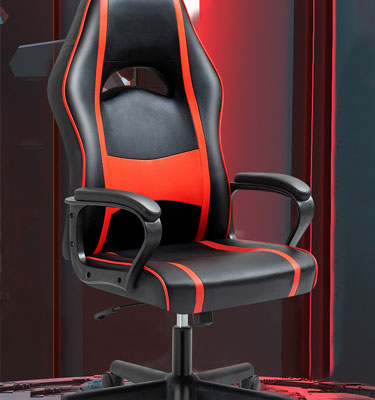


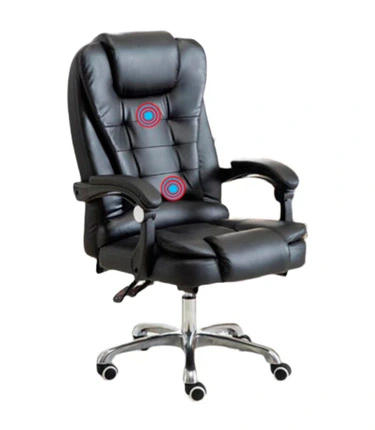
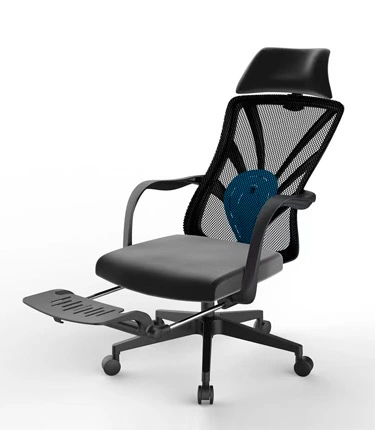
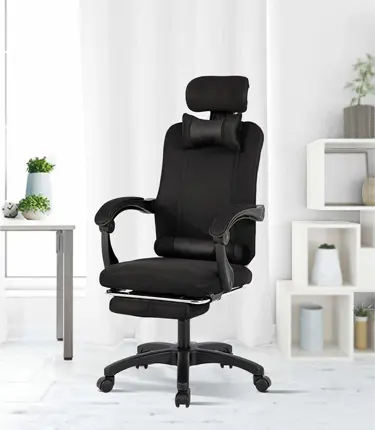
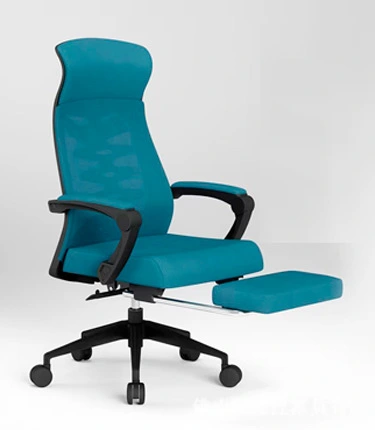
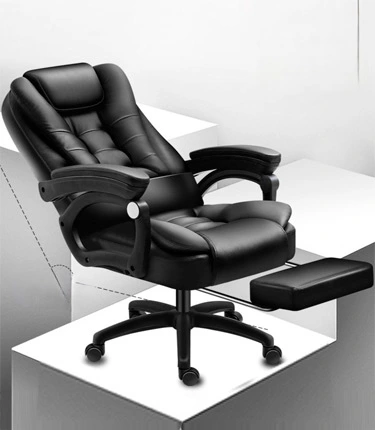
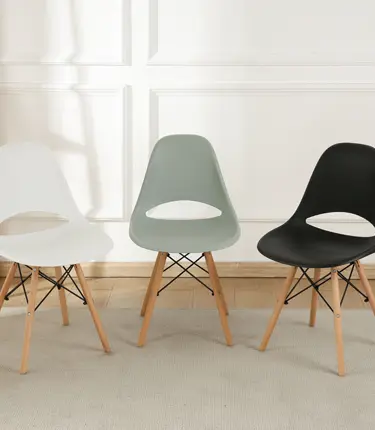
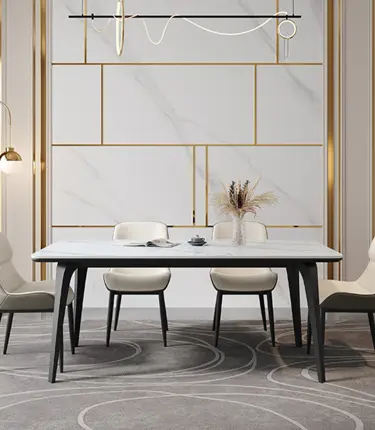
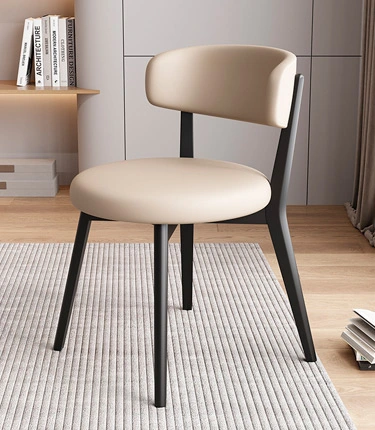
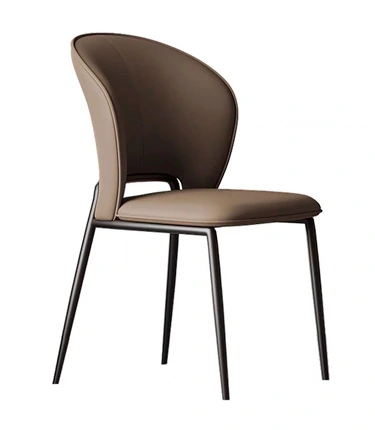
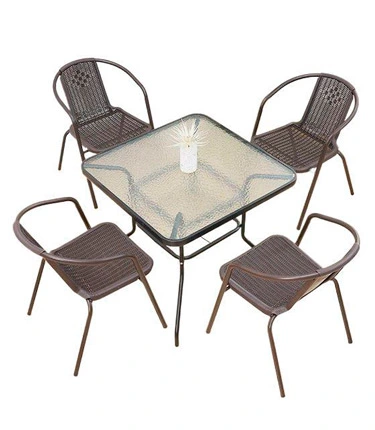
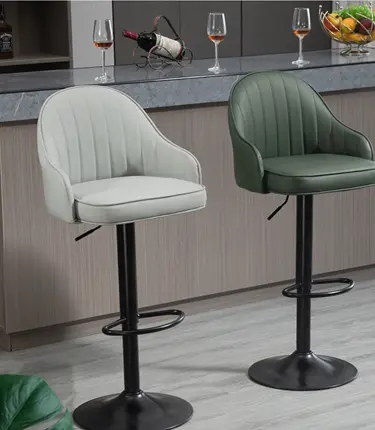
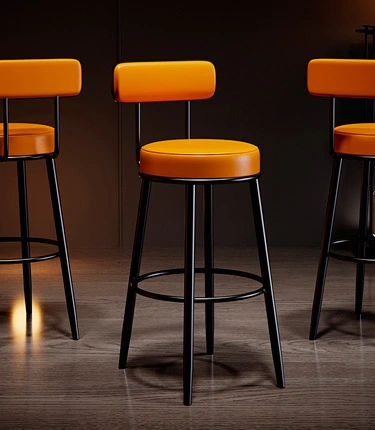
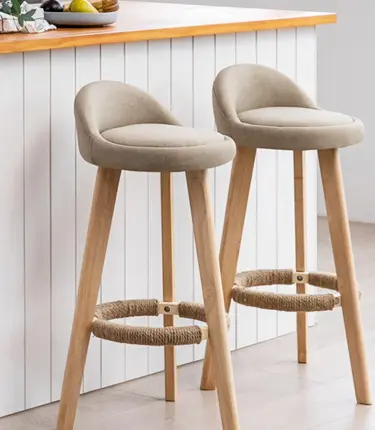
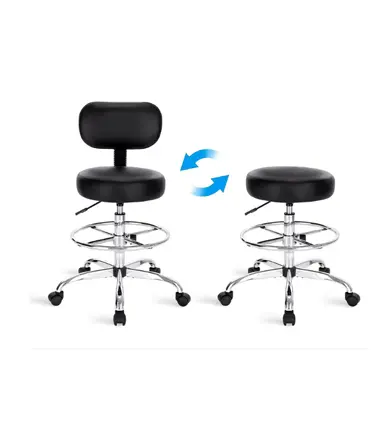
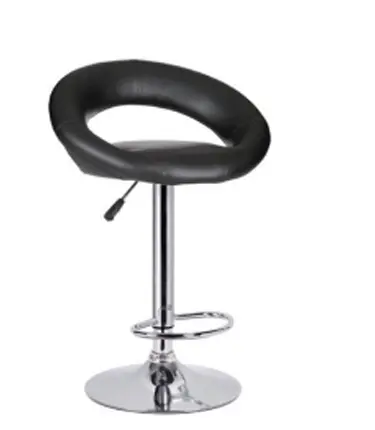
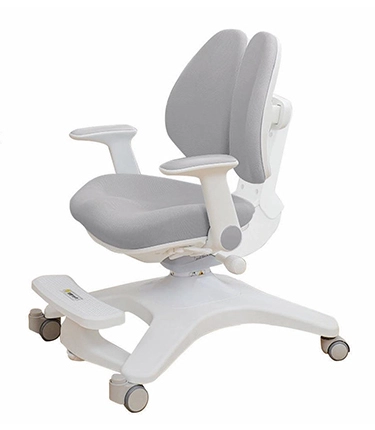
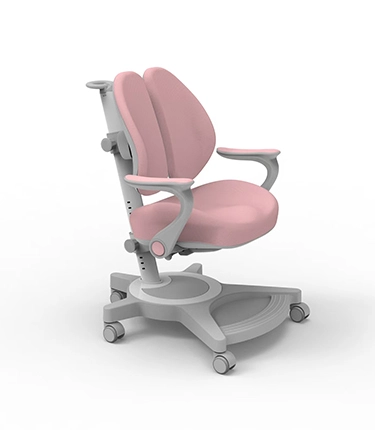
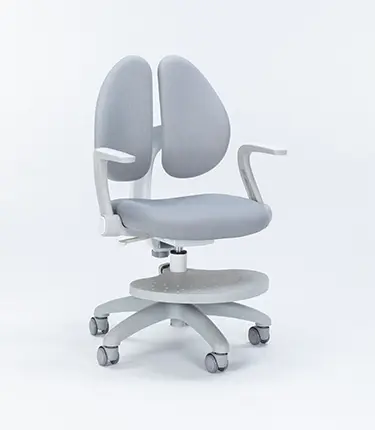
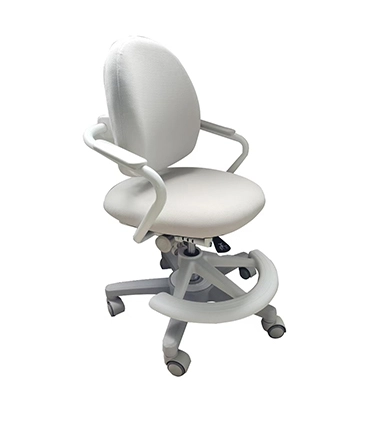
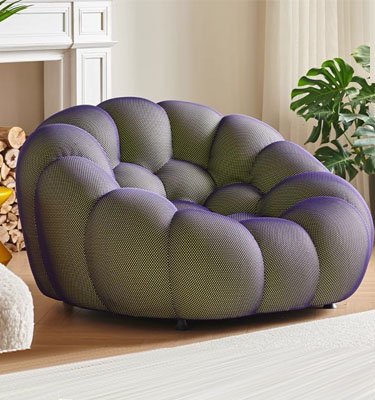
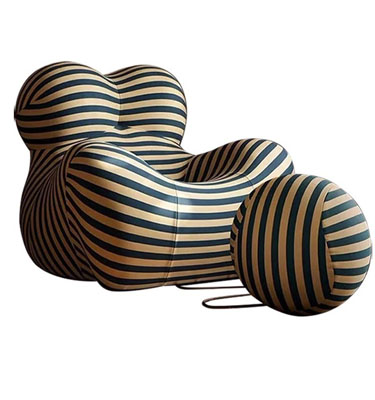
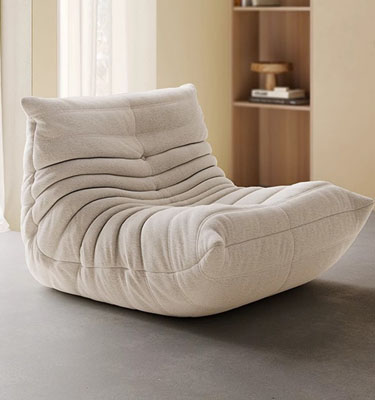
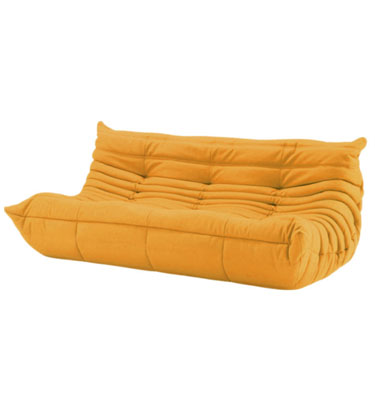

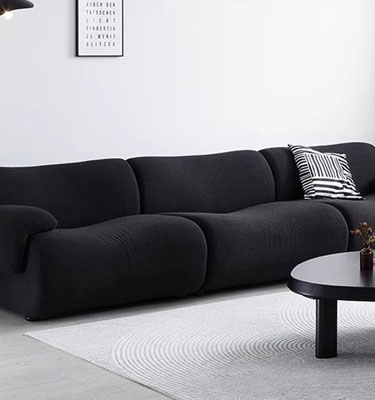
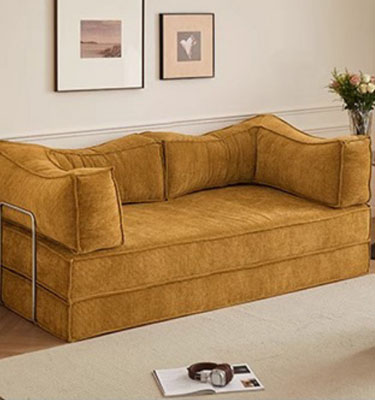
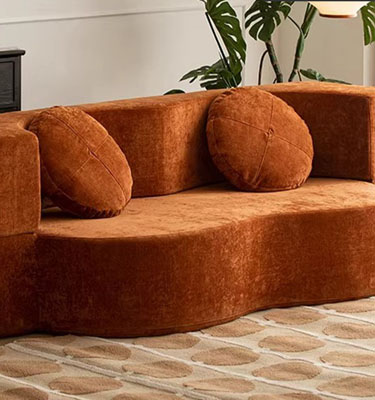

Core Trend Overview: Sustainable full-chain implementation, intelligent ergonomics active adaptation, organic sculptural sense and traditional renewal, modular scene integration, material and color texture upgrade, five-dimensional concurrent drive design innovation.
Sustainability has become a core focus in contemporary chair design, encompassing material selection, production, and end-of-life management.
Regeneration and low-carbon materials: FSC-certified wood, recycled plastics and metals, bamboo fibers, mycelium and other bio-based materials have become mainstream in chair manufacturing, emphasizing degradability and low VOC emissions.
Circular design: Modular and replaceable components in chairs (such as seat surfaces and armrests), glue-free quick-install structures, easy maintenance, easy recycling, and extended chair lifespan.
Low-carbon production: Using solar energy for chair manufacturing, tracking carbon footprint, and obtaining carbon neutrality certification throughout the entire process from raw materials to disposal.
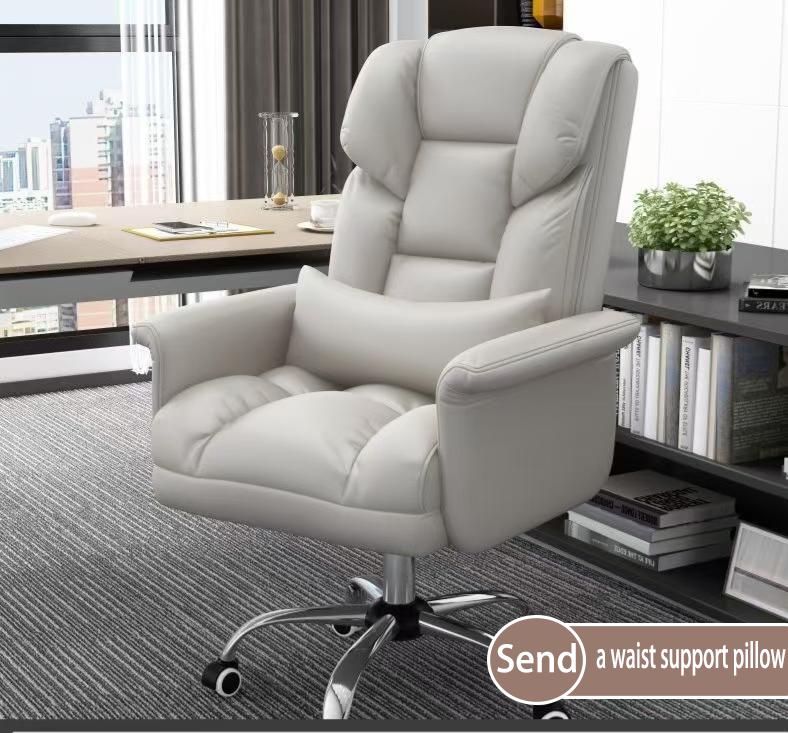
Intelligent technology is reshaping the way office chairs support long-term sitting health through active perception and adjustment.
Perception and adaptation: Office chairs equipped with pressure-sensing and posture-monitoring systems use AI-driven technology to automatically adjust lumbar support, seat depth, and armrests, while providing reminders for sitting duration and suggestions for stretching.
Interaction upgrade: Capacitive touch control, voice control, wireless charging, and synchronized sitting posture data with health apps turn the office chair into an active health seat.
Dynamic support: Flexible chair backs and elastic fabrics allow the office chair to automatically conform to body movements without manual adjustment, suitable for various office and rest scenarios.
In terms of visual language, chair design is evolving through a parallel development of organic sculptural forms and renewed traditional styles.
Organic sculptural effect: Modern chairs abandon exaggerated curves in favor of gentle flowing contours, rounded edges, and natural biomimetic forms, balancing comfort and visual lightness.
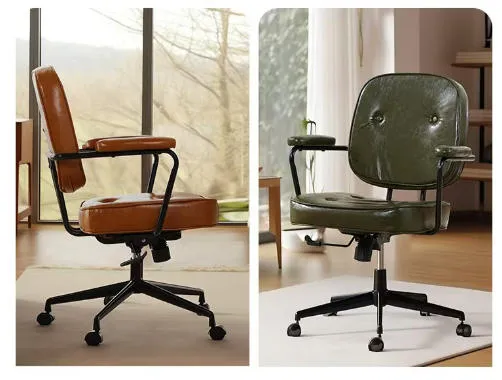
Renewed traditional contours: Classic chair models such as Windsor chairs and wing-back chairs are reimagined with lightweight structures, contrasting color stitching, and modern fabrics for contemporary mixed spaces.
Lightweight structure: Suspended forms, slender metal supports, and legless wrap-around chair designs create a floating feeling and enhance spatial transparency.
As lifestyles become more flexible, modular chair design focuses on adaptability across different spaces and usage scenarios.
Multi-functional transformation: Chairs can transform from single-person seating to benches, and from office use to relaxation mode, meeting the needs of small spaces and mobile lifestyles.
Free combination: Chair seat cushions and backrest modules can be freely assembled and stacked to suit different layouts and seating numbers.
Spatial integration: Chairs are embedded into walls, columns, stepped platforms, or suspended structures, blurring the boundary between furniture and architecture.
Material and color upgrades play a key role in enhancing the sensory value of modern chairs.
Texture layers: Textured fabrics such as velvet, bouclé, and wool yarn are paired with matte metals or wood in chair design to enhance tactile experience.
Color focus: Gemstone tones like emerald, sapphire blue, and amethyst are applied to key chair products, balanced with neutral bases and local highlights.
Craftsmanship return: Hand weaving, mortise-and-tenon structures, and contrasting stitching bring warmth and detail back into mass-produced chairs.
Different chair categories apply these trends with specific priorities.
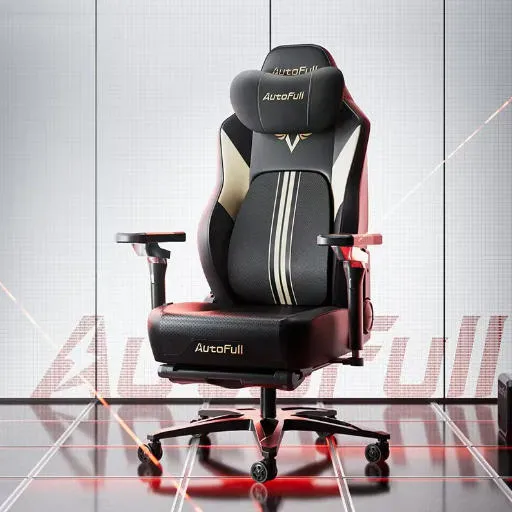
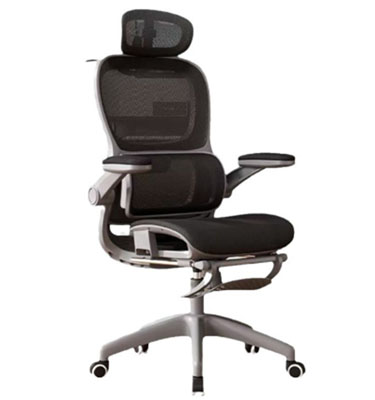
Office Chair: Intelligent adaptive technology combined with modular design and recycled fabrics, supporting long-term sitting health.
Lounge Chair: Emphasis on organic sculptural form, plush or velvet materials, and gemstone colors to create visual focal points.
Dining Chair: Traditional reimagined design with lightweight solid wood or recycled materials, balancing durability and style compatibility.
Xinchi is a professional chair manufacturer focusing on office chairs, lounge chairs, and dining chairs. With stable production capacity and mature manufacturing processes, Xinchi supports sustainable materials, ergonomic structures, and modular chair designs in large-scale production. The factory emphasizes quality control, flexible customization, and reliable delivery, helping global customers efficiently turn creative chair designs into commercially viable products.