English
  日本語
日本語  한국어
한국어  français
  Deutsch
  italiano
  русский
  português
  العربية
  Gaeilge
Address
PORT INDUSTRIAL ZONE,TIANHUANGPING TOWN, ANJI COUNTY,ZHEJIANG PROVINCE,CHINA
May 06, 2026

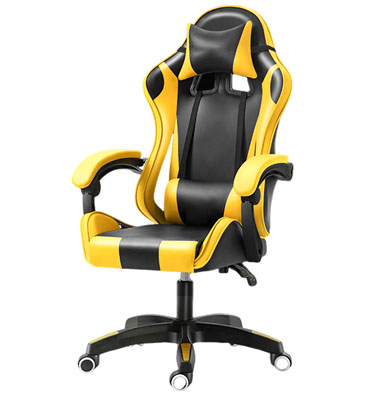


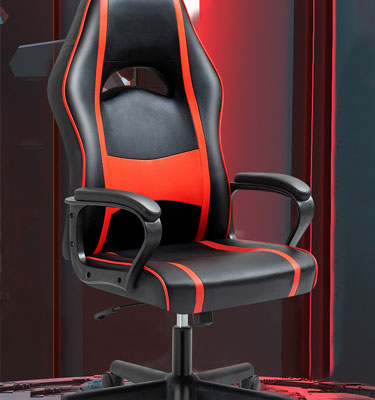


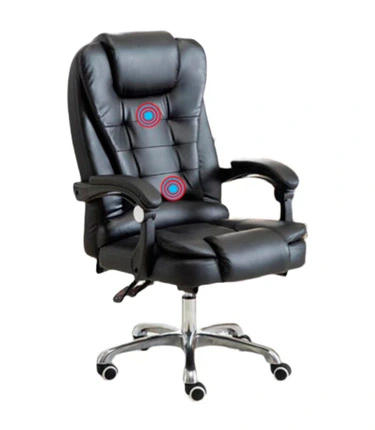
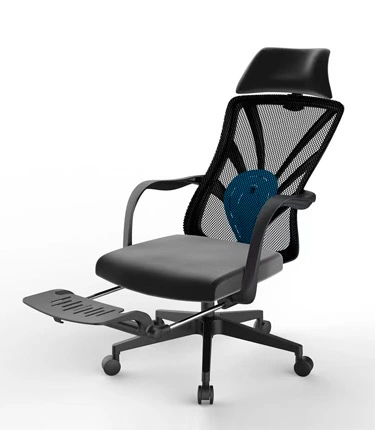




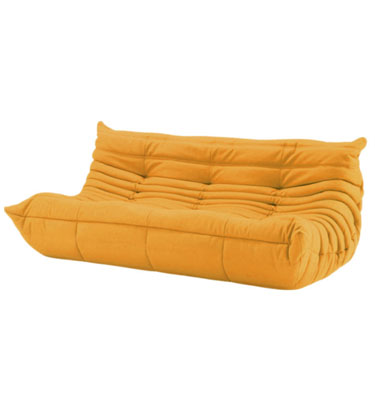

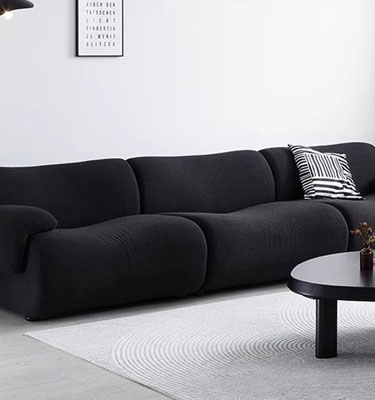
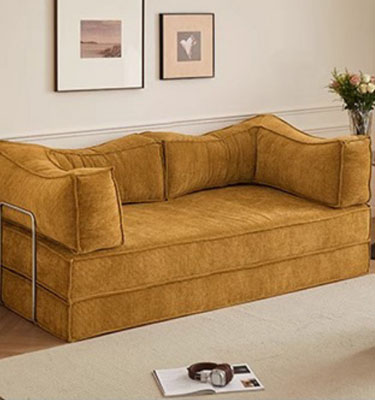
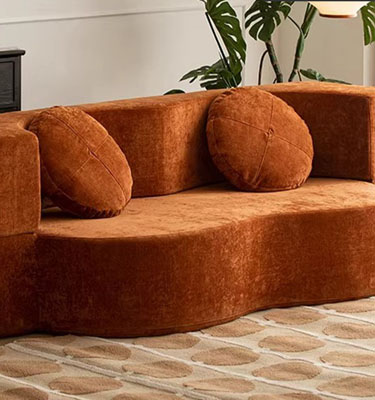

When vacuum compression technology evolves from a packaging solution into a core cost-control tool, the domestic folding sofa supply chain in China begins to show clear regional differentiation.
From the export-oriented Pearl River Delta to the innovation-driven Yangtze River Delta, from the cost-advantaged central and western regions to the value-focused Bohai Rim, the four major industrial belts have formed distinct supply chain ecosystems, each achieving growth through different competitive logics.
For brands, distributors, and cross-border sellers, understanding how each folding sofa manufacturing region operates is no longer optional—it is the key to accurately capturing market opportunities.
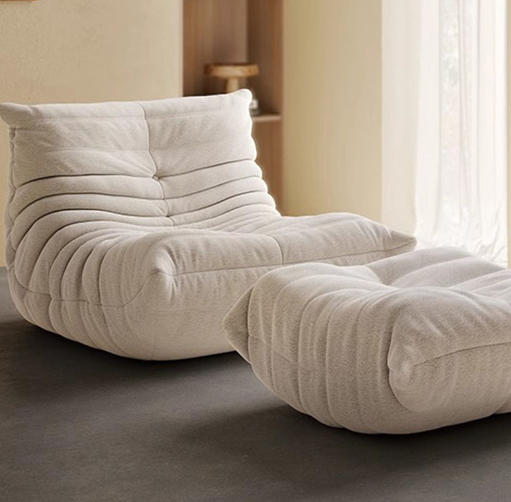
As the core hub of China’s furniture exports, the Pearl River Delta Folding Sofa supply chain, centered on Foshan and Dongguan, accounts for 26.1% of national furniture exports. Among them, compressed folding sofas show particularly strong performance, with export ratios reaching 65%, far exceeding the national average of 39%.
The region’s competitiveness is built on two pillars.
First, full-chain collaboration, empowered by cross-border e-commerce policies, enables a rapid response. Supported by pilot-zone policies, leading enterprises have achieved 72-hour customized delivery, while industrial clusters such as Longjiang Town have shortened raw material procurement cycles to 3.7 days, significantly improving supply chain efficiency.
Second, the Pearl River Delta leads in intelligent Folding Sofa manufacturing. Targeting premium markets, manufacturers integrate IoT technologies—such as posture sensors and voice control—directly into folding sofa designs. Large-scale investments in intelligent flexible production lines have reduced customization cycles from 7 days to just 3 days, reinforcing the region’s dominance in high-end and smart folding sofa segments.
However, the region also faces challenges. Higher raw material costs and reliance on external upstream suppliers make vertical integration and long-term supply chain cooperation increasingly important.
The Yangtze River Delta Folding Sofa industrial cluster, centered around Anji and Jiaxing in Zhejiang Province, contributes nearly 48% of China’s sofa bed and folding sofa production capacity. With a mature textile and upholstery ecosystem, production costs remain at approximately 92% of the industry average, balancing efficiency with quality.
This region excels in niche market innovation. In Anji, manufacturers focus on ergonomic and space-saving designs, producing portable folding sofas tailored for small apartments. Meanwhile, modular production bases in Jiaxing have shortened delivery cycles from 90 days to 45 days, strengthening responsiveness to overseas orders.
Equally important is the dual drive of green manufacturing and digitalization. Bamboo sofa frames now exceed 38% penetration, while advanced materials such as carbon fiber continue to gain traction. High robot density—reaching 320 units per 10,000 workers—has boosted production efficiency by roughly 40%, reinforcing the region’s reputation for quality-oriented Folding Sofa manufacturing.
Through frequent regional mergers and acquisitions, the Yangtze River Delta further enhances its competitiveness, reducing procurement costs by 8–12% and improving logistics efficiency by 25%.
In recent years, the central and western Folding Sofa manufacturing regions, including Chongyang in Hubei Province and the Chengdu–Chongqing Twin-City Economic Circle, have emerged as new growth engines. Chongyang alone exports 75,000 sets of compressed folding sofas per month, with monthly sales exceeding 6 million yuan.
The core advantage lies in extreme cost optimization. By applying vacuum compression technology, the folding sofa volume can be reduced to one-fifth of its original size, effectively cutting sea freight costs by half. Combined with lower labor expenses, these regions are highly attractive to price-sensitive overseas markets.
Strong policy support and capacity expansion further accelerate growth. Local governments provide streamlined export services and tax incentives, while large-scale investments in smart home industrial parks are expected to deliver millions of sofa components annually by 2026. As urbanization accelerates and manufacturing capacity continues to shift inland, the market share of these regions has increased from 12.6% to 18.9%, positioning them as a key pillar of China’s Folding Sofa export supply chain.
The Bohai Rim Folding Sofa supply chain, centered on Shandong and Hebei, focuses on the mass market and lower-tier cities, emphasizing modular design, stable capacity, and cost control. Leveraging local access to wood and hardware resources, manufacturers streamline processes to deliver practical and affordable folding sofa solutions.
Rather than competing directly with high-end or design-driven regions, the Bohai Rim specializes in functional and niche Folding Sofa categories, such as gaming sofas and simplified modular models. Short raw material procurement distances and flexible inventory turnover enable fast replenishment, making the region particularly suitable for domestic third- and fourth-tier markets as well as rural consumption channels.
Choosing the right Folding Sofa supply chain region depends on clear market positioning:
High-end smart folding sofas or cross-border e-commerce brands benefit most from the Pearl River Delta’s intelligent integration and export infrastructure.
Design-oriented and environmentally friendly folding sofas align well with the Yangtze River Delta’s innovation-driven industrial clusters.
Cost-effective folding sofas and bulk export orders are best served by the central and western manufacturing bases with strong policy and labor advantages.
Entry-level or mass-market folding sofas are well matched with the Bohai Rim’s cost-performance-focused supply chain.
Competition in the domestic Folding Sofa supply chain is shifting from simple cost comparison to a comprehensive contest of regional endowments, digitalization, and sustainability. Whether enterprises are planning new production bases or distributors are selecting long-term supply partners, understanding the regional logic behind Folding Sofa manufacturing is essential to staying competitive in the trillion-yuan home furnishing market.