English
  日本語
日本語  한국어
한국어  français
  Deutsch
  italiano
  русский
  português
  العربية
  Gaeilge

Address
PORT INDUSTRIAL ZONE,TIANHUANGPING TOWN, ANJI COUNTY,ZHEJIANG PROVINCE,CHINA
Apr 27, 2026
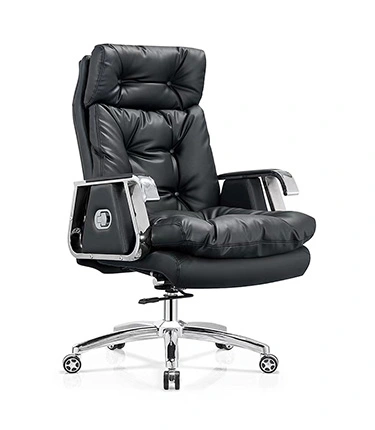
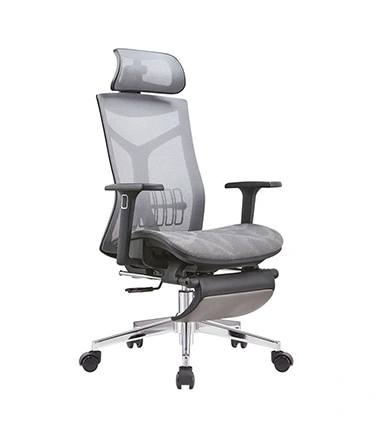
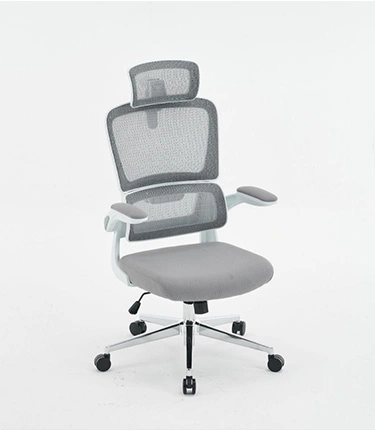
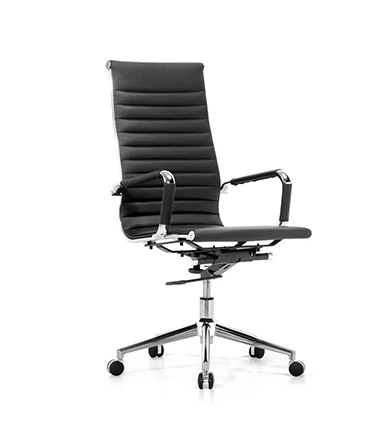
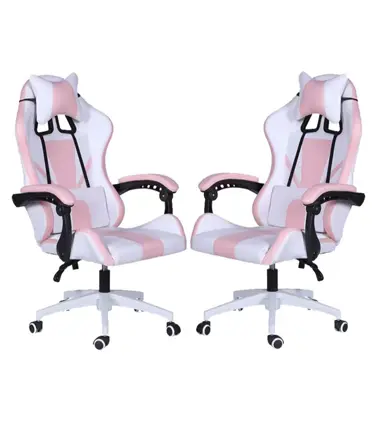
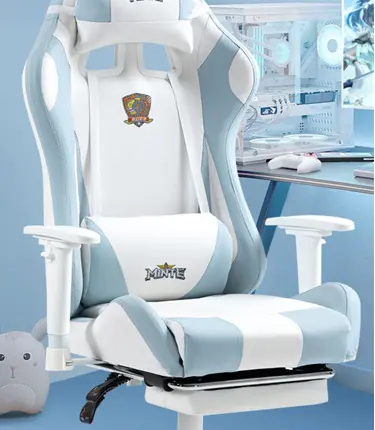
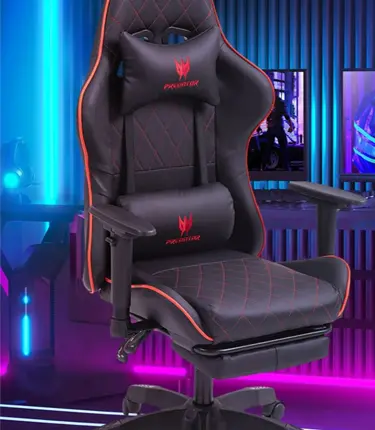
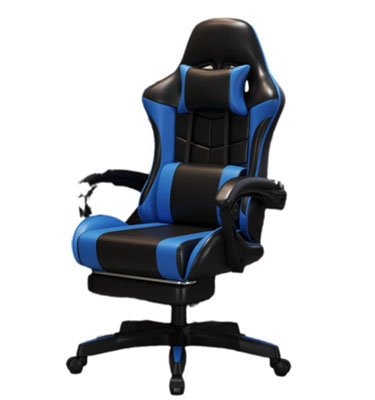
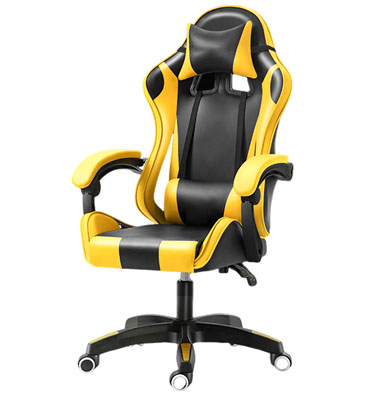
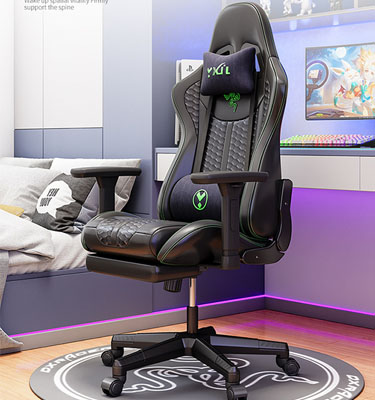

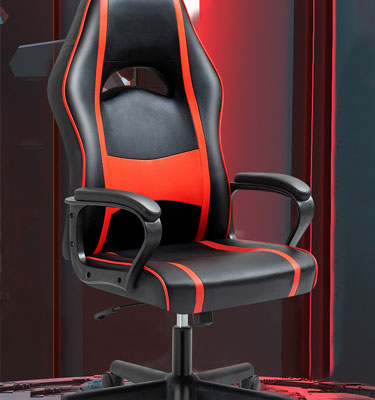


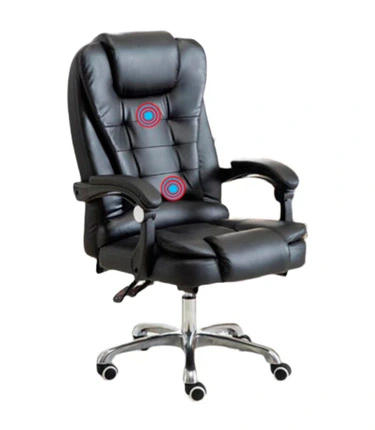
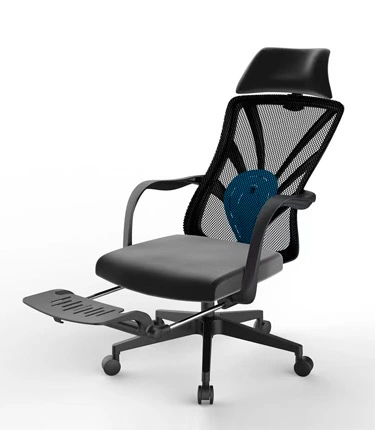
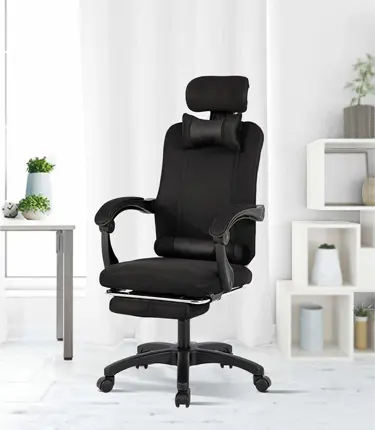
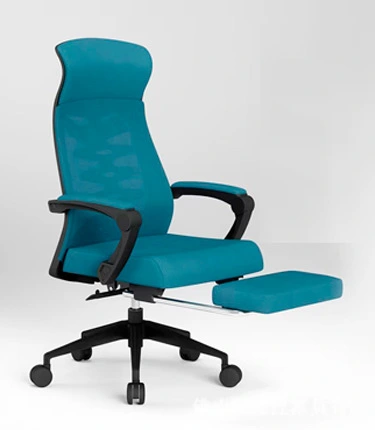
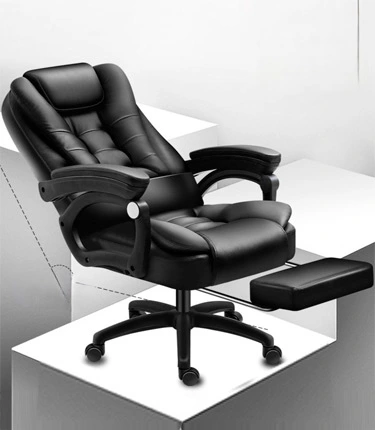
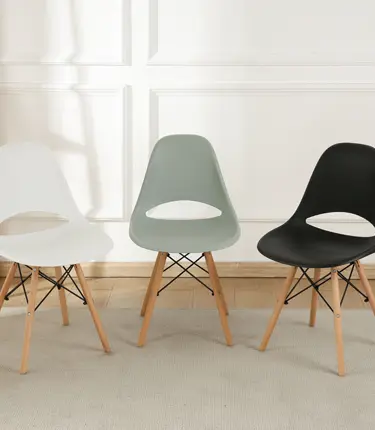
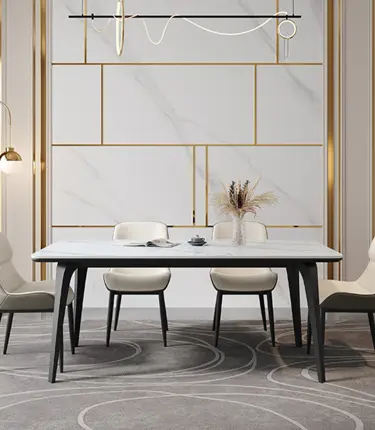
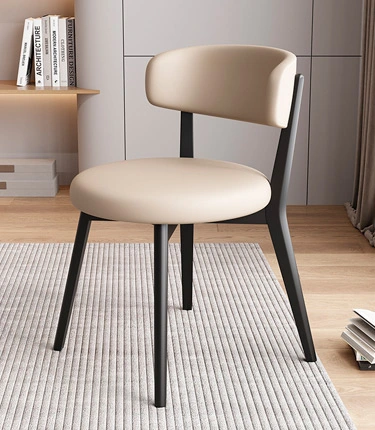
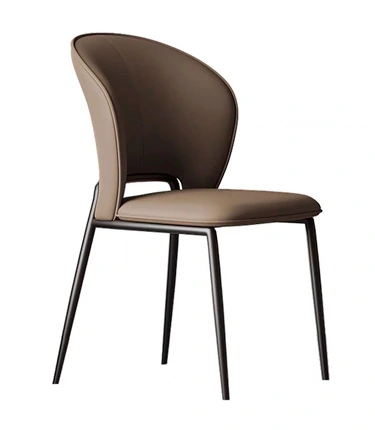
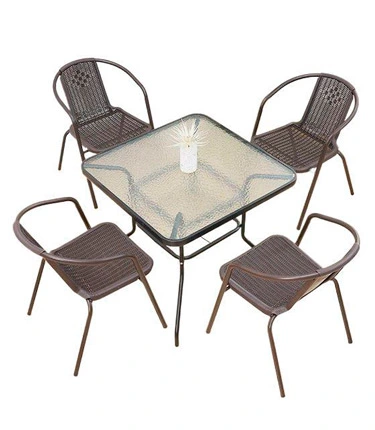
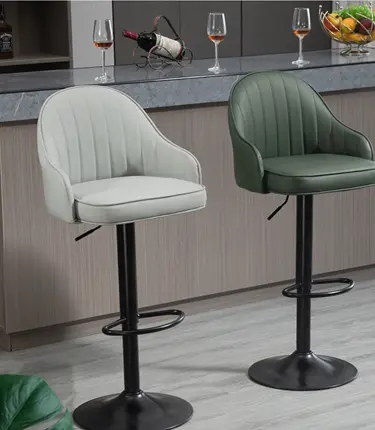
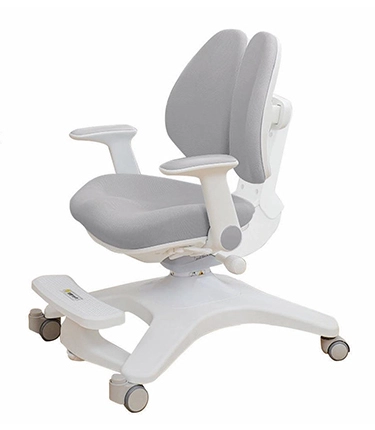
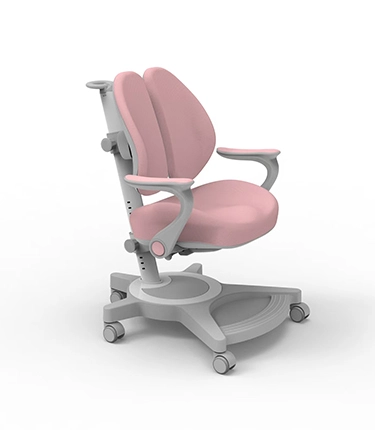
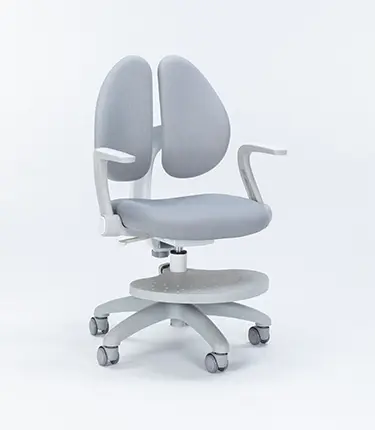
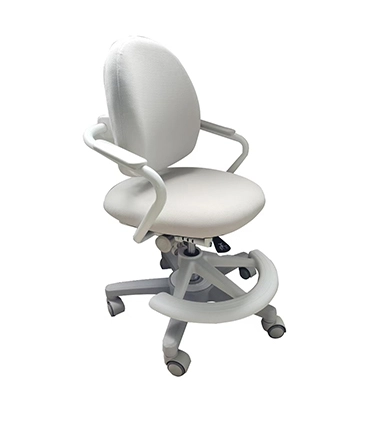


Driven by multiple factors such as the booming global e-sports industry, the live streaming economy, and the rise of remote working, the demand for e-sports chairs has experienced rapid expansion in recent years.
According to several authoritative market research reports, the global gaming chair market is expected to maintain a compound annual growth rate (CAGR) of about 6%–8% between 2023 and 2028, reaching a market size of several billion dollars.
This strong growth reflects the ongoing integration of entertainment, lifestyle, and ergonomic comfort in modern gaming and work environments.
China remains the world’s largest producer and exporter of gaming chairs, accounting for the majority of the global supply.
Industrial clusters such as Anji County in Zhejiang Province have formed complete furniture manufacturing ecosystems, including raw materials, components, assembly, and logistics.
The main export models include:
OEM/ODM manufacturing for leading international brands such as Secretlab and Noblechairs, which remains the most dominant and stable model.
Cross-border e-commerce (B2C), where Chinese factories sell directly to global consumers via platforms like Amazon and Wayfair under private or white-label brands.
Traditional B2B exports focus on bulk orders from overseas wholesalers, retailers, or enterprise clients.
This diversification allows Chinese manufacturers to balance volume, brand influence, and long-term business resilience.
Commercialization of the e-sports industry: The normalization of global professional leagues and major tournaments continues to boost demand for professional-grade gaming equipment and e-sports chairs, while increasing brand visibility.
Gaming as a social lifestyle: For younger generations, gaming is not just entertainment but a form of social interaction. The emerging “game room” culture directly drives the consumption of stylish and ergonomic gaming chairs.
Rising health awareness: As sedentary lifestyles become common, consumers are more willing to invest in ergonomic gaming chairs that offer proper lumbar and cervical support for extended use.
Hybrid work becoming the norm: The growing integration of home office and gaming spaces blurs the boundary between office chairs and gaming chairs, creating crossover demand in both markets.
Ergonomic innovation: From basic headrests and lumbar pillows to multi-dimensional adjustable lumbar systems, 4D armrests, and synchronous reclining mechanisms, product ergonomics continue to advance.
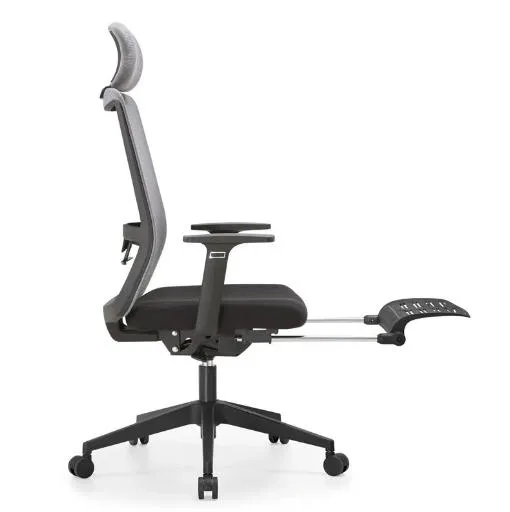
Multi-functionality and comfort: Many modern e-sports chairs now include footrests, leg supports, and recline features, making them versatile enough to double as recliners or lounge chairs.
Material upgrades: The industry is moving beyond PVC leather toward breathable mesh fabrics and premium memory foam, improving comfort and durability.
Intelligent features: Some brands are exploring built-in Bluetooth speakers, vibration feedback, and RGB lighting, offering a more immersive experience for gamers.
Brand-driven transformation: As pure price competition becomes unsustainable, gaming chair exporters are focusing on building brand image and loyalty. Collaborations with top e-sports teams, gaming influencers, and popular IPs have proven to be among the most effective marketing strategies.
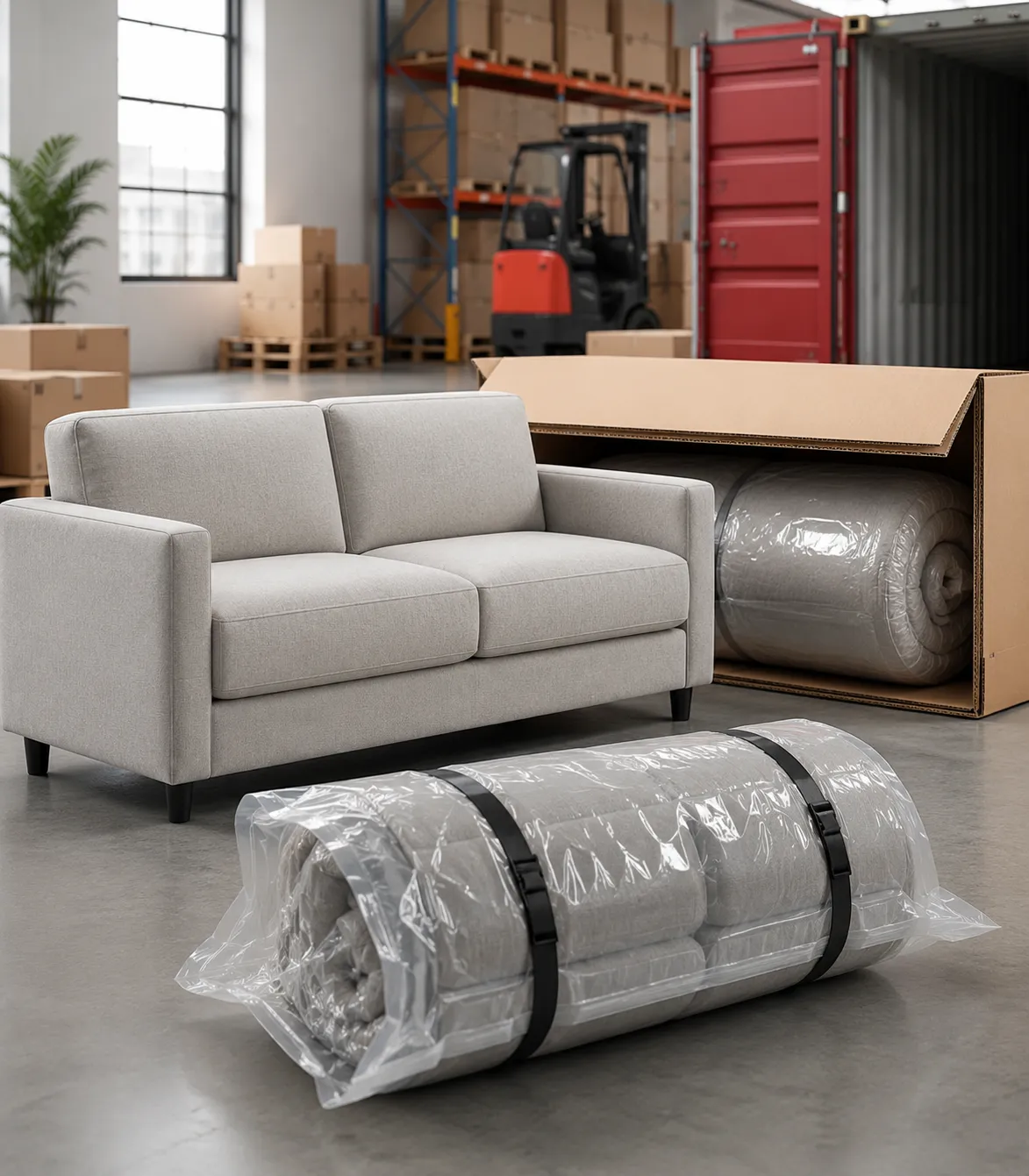
Sustainability and compliance: The European and North American markets now have stricter environmental standards. Manufacturers that adopt recyclable materials, eco-friendly packaging, and green production processes are gaining a competitive edge.
The global e-sports chair export market has evolved from a “blue ocean” to a “red ocean” — competition is fierce, but opportunities remain abundant.
Future growth will rely on product differentiation, brand strength, and refined global operations.
Companies that focus on ergonomic design, sustainable materials, and cross-platform marketing are well-positioned to lead the next wave of global expansion in the gaming chair industry.