English
  日本語
日本語  한국어
한국어  français
  Deutsch
  italiano
  русский
  português
  العربية
  Gaeilge

Address
PORT INDUSTRIAL ZONE,TIANHUANGPING TOWN, ANJI COUNTY,ZHEJIANG PROVINCE,CHINA
Sep 30, 2025
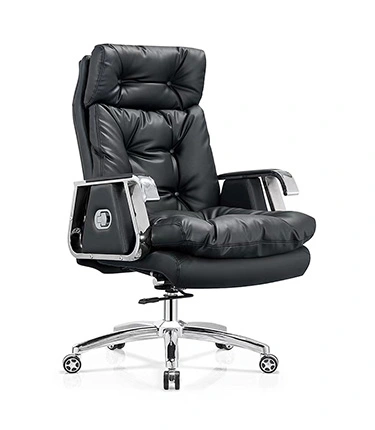
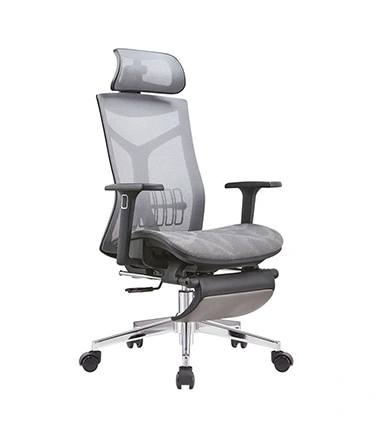
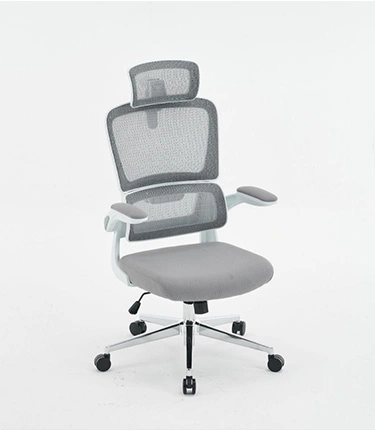
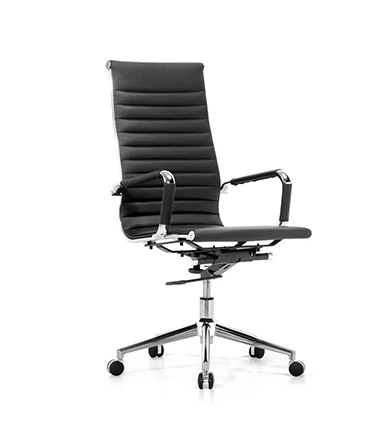
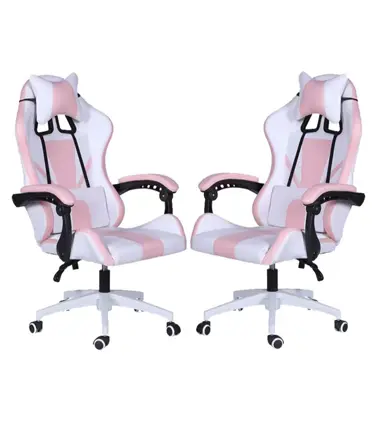
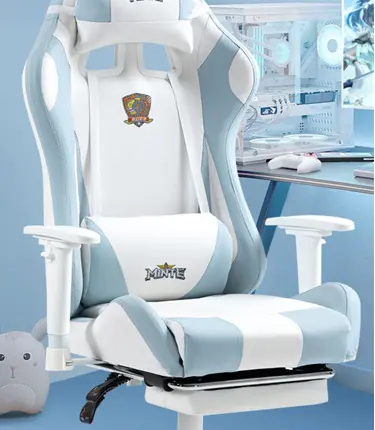
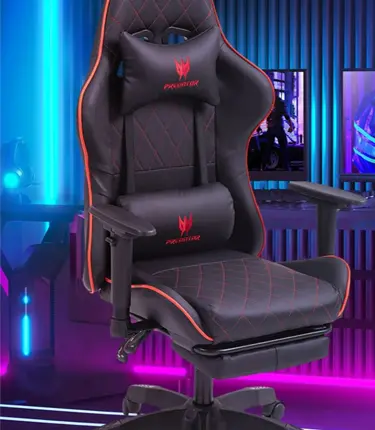
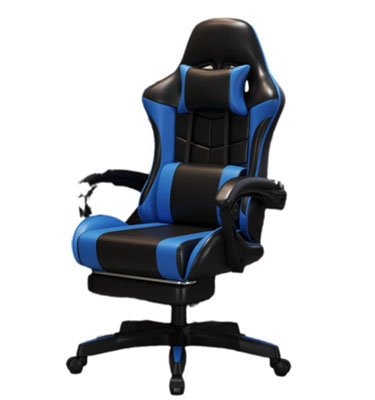
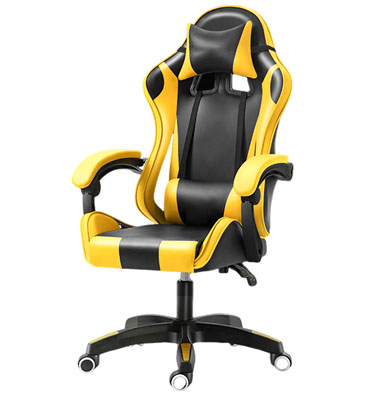
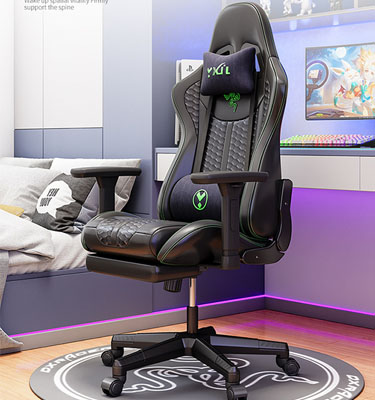

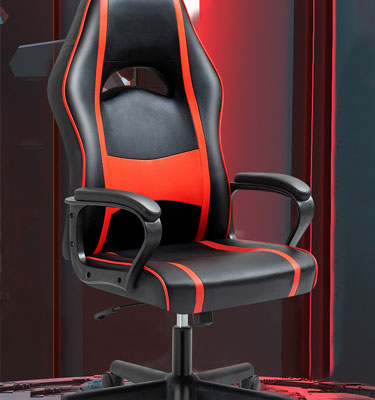


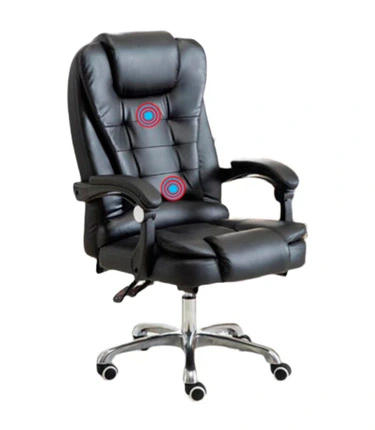
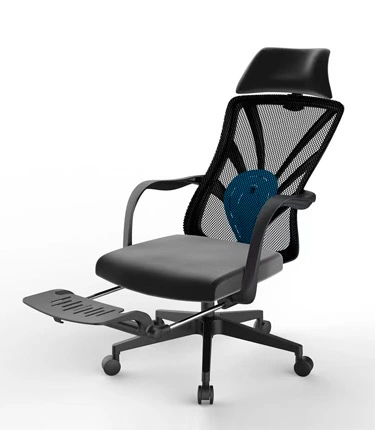
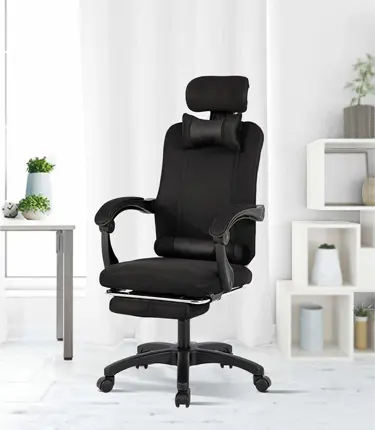
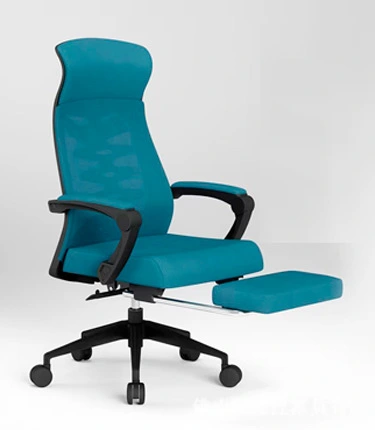
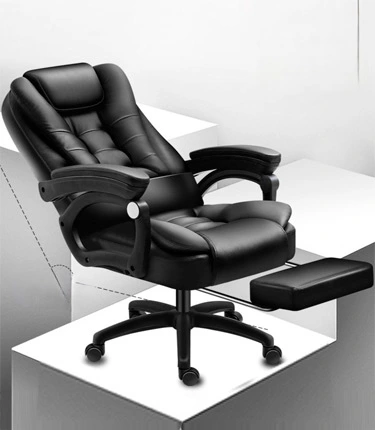

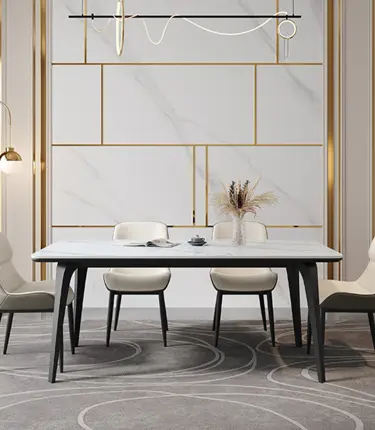
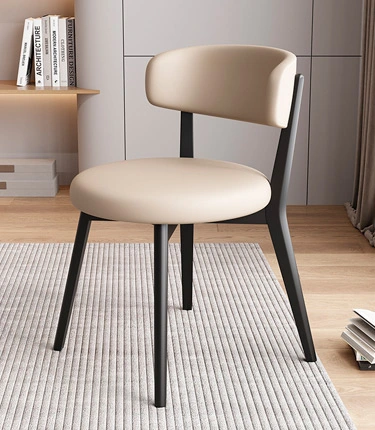
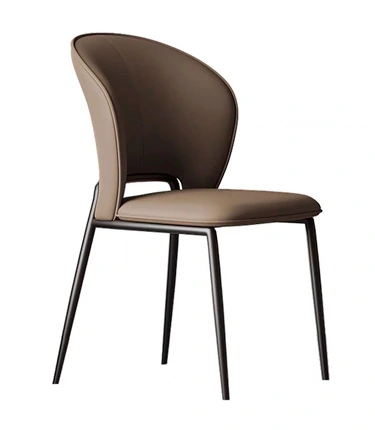
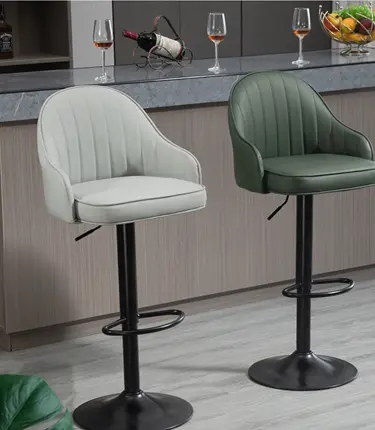
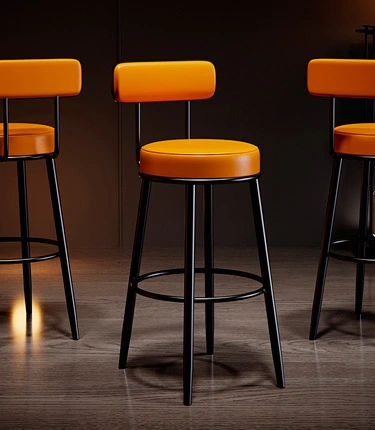
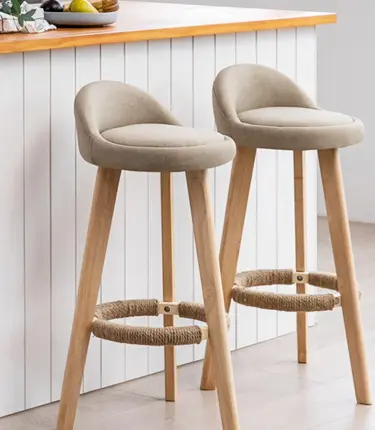
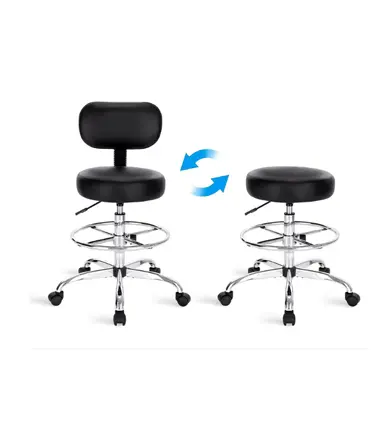
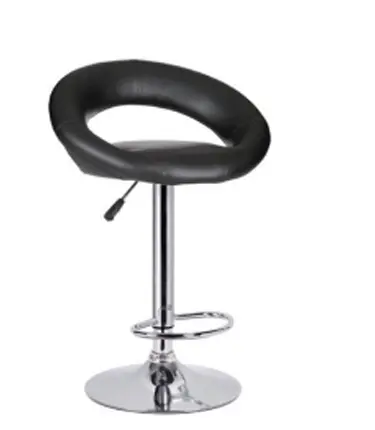
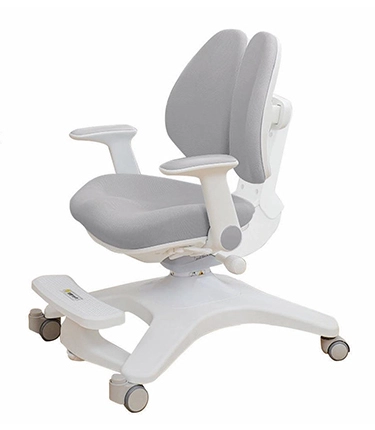
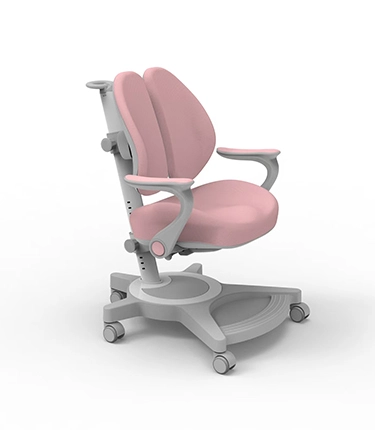
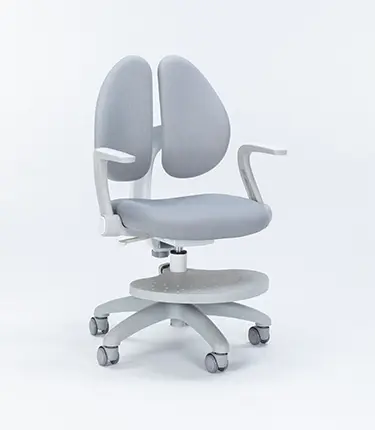
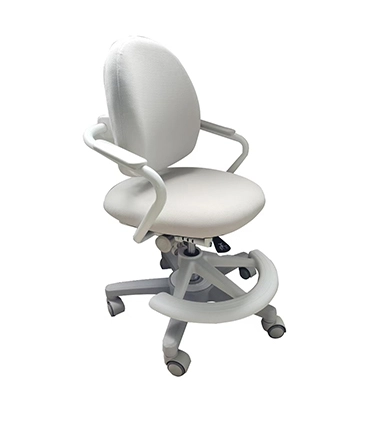


Bar stools look simple, but bulk purchasing involves a combination of dimensions, stability, materials, surface finish, upholstery, packaging and commercial-use expectations. A stool that performs well in a home kitchen may not be suitable for a busy restaurant, hotel bar or chain-store rollout.
This guide explains how to buy bar stools from China for wholesale, private-label and commercial projects. It helps buyers create a consistent RFQ, compare suppliers fairly and reduce problems with height, wobble, scratches, carton damage and mixed-SKU orders.
Start with the environment rather than the design trend.
High-frequency use requires stable frames, durable footrests, cleanable surfaces and practical replacement parts. Consider whether customers will move stools frequently and whether floor glides must protect tile, wood or other surfaces.
Hospitality buyers often need custom colors, fabrics, metal finishes and project documentation. The supplier must control batches so that replacement or phased orders remain visually consistent.
Compact footprints and easy cleaning may be more important than complex adjustment. Stackability can help, but only if the design is engineered to stack without damaging upholstery or finish.
Knock-down design, assembly simplicity, carton dimensions and damage protection directly affect fulfillment cost and customer reviews. A good retail stool must survive both normal use and parcel distribution.
Home-use stools can prioritize comfort, style and adjustable height. Even so, buyers should validate stability, mechanism quality and child-related risks in the target market.
Review Xinchi’s bar stool range for wholesale sourcing to compare adjustable, upholstered, swivel and fixed-height designs before requesting quotations.
One of the most common purchasing errors is choosing a stool by overall height instead of seat height.
Counter stools are designed for lower worktops or counters. The correct seat height depends on the actual counter height, top thickness and desired leg clearance.
Bar stools are taller and intended for bar-height surfaces. A model that looks proportionally correct in a studio image may be uncomfortable when paired with a different table height.
Buyers commonly plan a vertical clearance of roughly 250–300 mm between the seat and the underside or top reference of the counter, depending on the design and user. Treat this as a planning range, not a substitute for project measurements.
Ask the supplier for a dimension drawing showing:
· Seat height.
· Overall height.
· Seat width and depth.
· Footrest height and position.
· Base or leg footprint.
· Backrest height.
· Adjustable range, where applicable.
For project orders, approve a physical sample with the actual counter or a dimensionally accurate mock-up.
Metal frames can provide a slim profile and commercial durability. Important variables include tube or section specification, welding, reinforcement, footrest construction, surface preparation and coating.
For powder-coated frames, confirm color standard, texture, gloss and corrosion-resistance requirement. Inspect welds before coating and check whether contact points are protected from chipping during transport and assembly.
Wood stools can suit restaurants, cafés and hospitality interiors. Confirm wood species or engineered-wood construction, moisture control, joint method, finish system and color tolerance.
Wood is a natural material, so an approved color range may be more realistic than one exact visual appearance. Define acceptable knots, grain and shade variation.
Upholstery adds comfort and design flexibility but introduces foam, fabric, stitching, cleaning and fire-performance considerations.
Ask for:
· Foam construction and approved comfort sample.
· Fabric or PU leather code.
· Abrasion, colorfastness or chemical reports where required.
· Seam details and high-wear-area reinforcement.
· Cleaning instructions.
· Replacement-cover or reupholstery options for project customers.
Plastic shells can reduce visual weight and simplify cleaning. Confirm material type, color consistency, UV requirement for sun-exposed locations and attachment to the base. Mixed-material stools require special attention to joints between wood, metal, plastic and upholstery.
Fixed stools have fewer moving parts and can be suitable for commercial venues. Stability, footrest strength and floor contact are the main concerns.
Swivel improves access but creates wear at the rotating connection. Check play, noise, rotation stops if used and cable or upholstery clearance.
Adjustable stools are common in home and retail channels. Confirm gas-lift specification, base diameter, footrest geometry and stability at minimum and maximum height. A narrow base may reduce carton size but create a less stable product.
A bar stools China supplier should provide the exact mechanism and gas-lift specification used in the approved sample. Component substitutions should require buyer approval.
A stool’s higher seat position can increase tipping risk. Stability must be assessed in the intended configuration, including backrest, swivel or adjustable-height functions.
Check:
· Front, rear and side stability.
· Leg spread or base diameter.
· Footrest strength and weld quality.
· Seat-to-frame attachment.
· Backrest attachment.
· Rocking or wobble on a flat surface.
· Floor glides and leveling feet.
· Dynamic use when users turn, climb on or push away from the counter.
The applicable test standard depends on market, buyer specification and stool type. Request model-specific evidence and do not assume that a report for a chair automatically covers a bar stool.
Words such as black, gold, walnut and beige are not precise enough for mass production.
Use:
· RAL, Pantone or an approved physical standard where appropriate.
· Signed metal-finish plate, wood sample or fabric swatch.
· Gloss and texture definition.
· Acceptable shade tolerance.
· Lighting conditions for visual inspection.
For repeat orders, ask how the supplier manages color lots and retains approved standards.
Xinchi’s custom chair service can support private-label colors, upholstery, logos and packaging, but all visual standards should be physically approved before production.
Ask the supplier to separate:
· Standard model MOQ.
· Custom-color MOQ.
· Custom-fabric MOQ.
· Custom-carton MOQ.
· MOQ for plated or special metal finishes.
A low model MOQ may still require a larger material minimum. Clarify whether leftover custom material is charged, stored or discarded.
The sample should match the intended production configuration. Evaluate:
· Dimensions and seat height.
· Stability and wobble.
· Finish and color.
· Upholstery comfort and seams.
· Swivel or gas-lift function.
· Assembly and hardware.
· Floor glides.
· Packaging.
Retain a sealed approved sample or a documented golden sample for production comparison.
Mixed containers can help wholesalers test several models, but they increase complexity. Ask which stools share cartons, hardware or finishes and request a SKU loading plan.
Limit unnecessary variations during the first order. A smaller number of well-controlled SKUs often performs better than a container with many low-quantity colors.
Packaging depends on whether the stool is shipped assembled, partially assembled or fully knocked down.
Knock-down designs can improve loading efficiency, but joints must be easy for the customer to assemble and strong after repeated use. Check hole alignment, thread quality, hardware labeling and instruction clarity.
Metal finishes, wood edges and upholstered surfaces need separate protection. Prevent direct contact between hard parts inside the carton.
Use labeled hardware packs and include spare fasteners when appropriate. The manual should show orientation clearly and state tightening sequence if it affects alignment.
Confirm final carton dimensions, gross weight, carton strength and loading quantity. Do not accept container estimates based on a pre-production carton.
A hypothetical carton volume is calculated as:
Carton CBM = Length (m) × Width (m) × Height (m)
Real loading must account for carton orientation, door size, weight distribution and unusable gaps.
· Metal sections, wood, shells, foam and upholstery match approved codes.
· Surface materials are free from visible defects.
· Color lots are controlled.
· Welds and joints are complete.
· Holes and mounting points align.
· Dimensions and seat height meet tolerance.
· Finish preparation is controlled.
· Stool is stable on a reference flat surface.
· Swivel and adjustment operate smoothly.
· Footrest, back and seat attachments are secure.
· Finish is consistent and free from scratches.
· Upholstery is clean, aligned and correctly tensioned.
· Labels, hardware and instructions are correct.
· Correct SKU and quantity.
· Parts cannot move excessively.
· Hard components do not contact finished surfaces.
· Carton marks and barcodes are correct.
· Gross weight and dimensions match the shipping data.
A reliable bar stools China manufacturer should be able to explain who controls each process.
1. Is the frame made in-house or by a partner factory?
2. Who performs welding, powder coating, plating, woodworking and upholstery?
3. How are subcontractors approved and inspected?
4. Which tests are conducted internally and externally?
5. How are color and material lots controlled?
6. What are the defect-rate and corrective-action procedures?
7. Can the buyer inspect production and finished goods?
8. How are spare parts and warranty claims handled?
9. Can replacement orders match the original finish?
10. Who is the legal exporter and contractual quality owner?
Review Xinchi’s company profile and factory information, then request current records and model-specific evidence for the project.
Include the following in your RFQ:
· Venue and intended use.
· Counter or table height.
· Required seat height and overall dimensions.
· Fixed, swivel or adjustable design.
· Frame material and finish.
· Seat material, foam and upholstery.
· Backrest and footrest requirements.
· Stability, weight and test requirements.
· Floor type and glide requirement.
· Color standard and logo.
· Assembly level and instruction language.
· Packaging, barcode and carton-mark requirements.
· Order quantity by model and color.
· Mixed-container request.
· Destination port, Incoterm and delivery date.
· Confusing overall height with seat height.
· Choosing a base for appearance without checking stability.
· Comparing prices without matching frame, finish and upholstery.
· Approving a color from a screen instead of a physical sample.
· Ignoring floor glides and venue flooring.
· Underestimating carton damage in parcel distribution.
· Ordering too many colors below practical material MOQs.
· Accepting a test report for a different stool or configuration.
· Failing to define replacement-part and warranty responsibility.
1. Define the venue, dimensions and target price.
2. Shortlist products with the correct seat height and structure.
3. Send one standardized RFQ to several suppliers.
4. Review documents, production model and quality controls.
5. Order samples in the exact material and finish.
6. Test stability, function, assembly, cleaning and packaging.
7. Approve a physical color and production sample.
8. Freeze the bill of materials and inspection checklist.
9. Place a pilot order if the design or finish is new.
10. Conduct pre-shipment inspection before release.
After defining the model, quantity and destination, buyers can submit the project through Xinchi’s contact page for a quotation from a bar stools China supplier based on the actual specification.
The main difference is seat height and the surface they are designed to match. Always compare the stool seat height with the actual counter or bar height and required leg clearance.
There is no universal best material. Metal can offer a slim, durable frame; wood provides a warm hospitality appearance; upholstery adds comfort; and plastic can simplify cleaning. Choose according to venue, maintenance and design requirements.
Many suppliers allow mixed containers, subject to MOQ by model, color and material. Request a SKU loading plan and avoid excessive variation that increases errors.
Assembled stools reduce customer assembly but use more shipping volume. Knock-down stools can improve logistics but require strong joints, accurate holes, protected parts and clear instructions.
Approve a physical finish sample under defined lighting, record the color and gloss standard, and require production to match the retained sample within an agreed tolerance.
Inspect dimensions, stability, functions, finish, upholstery, hardware, labels, packaging, carton data, quantities and the approved SKU mix.