English
  日本語
日本語  한국어
한국어  français
  Deutsch
  italiano
  русский
  português
  العربية
  Gaeilge
Address
PORT INDUSTRIAL ZONE,TIANHUANGPING TOWN, ANJI COUNTY,ZHEJIANG PROVINCE,CHINA
Dec 10, 2025
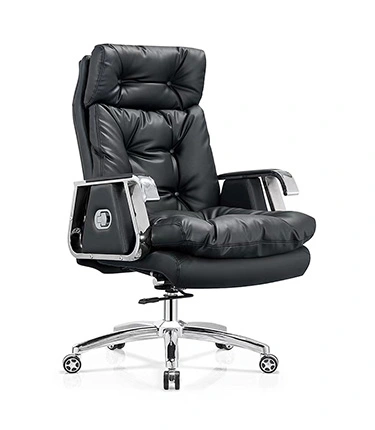
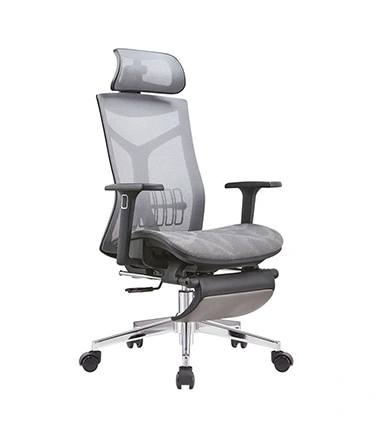
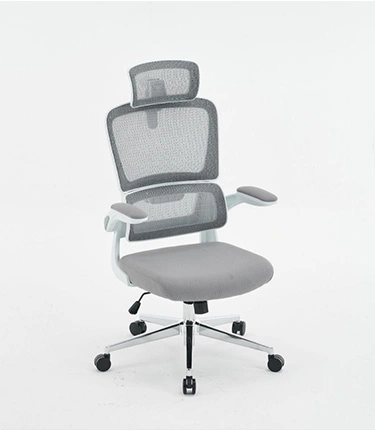
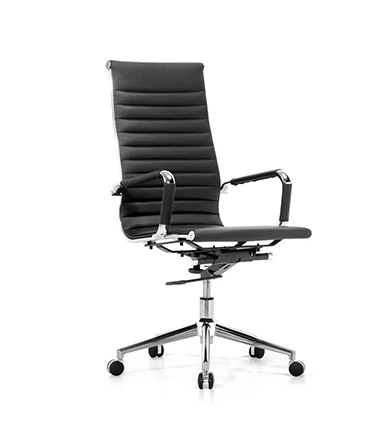

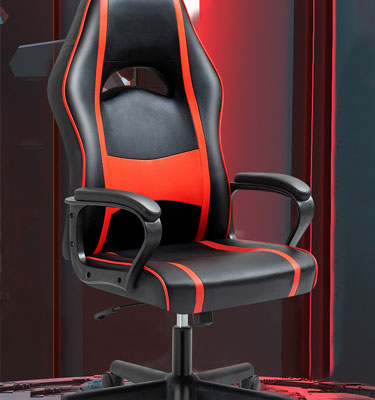


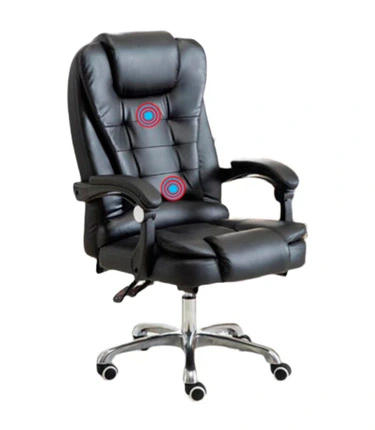
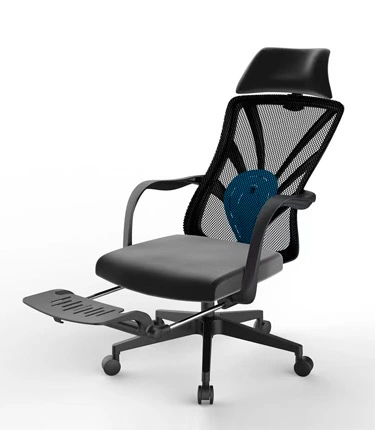
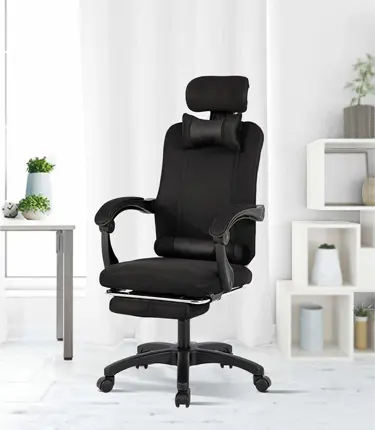
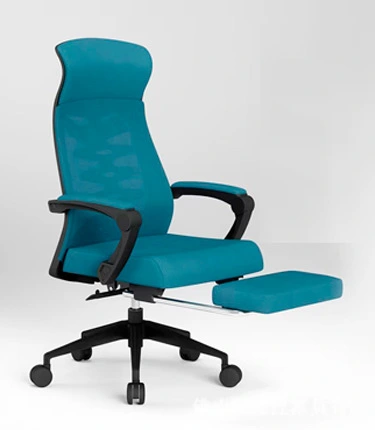
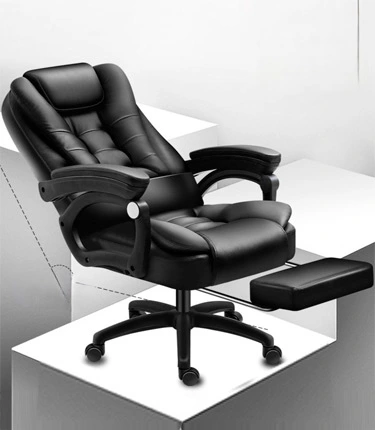


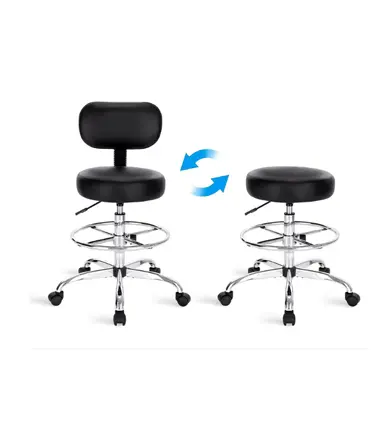
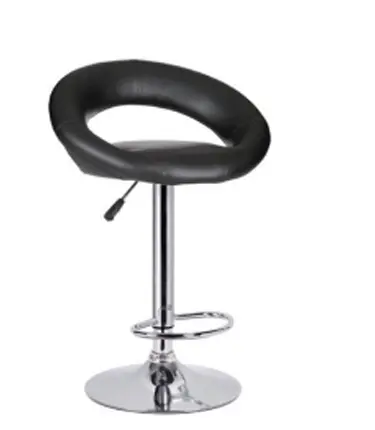
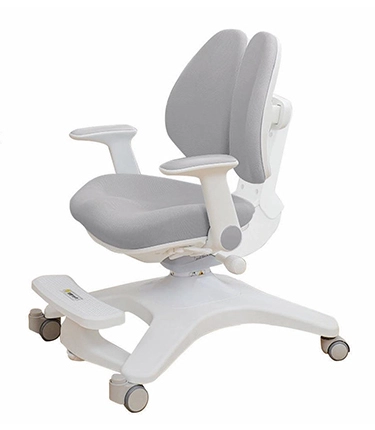
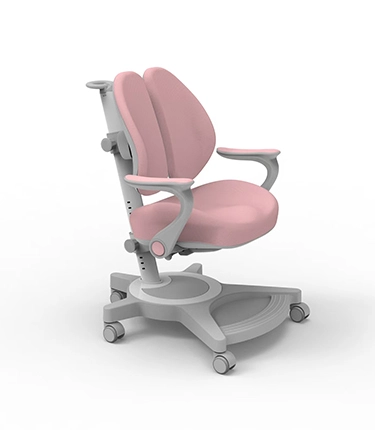
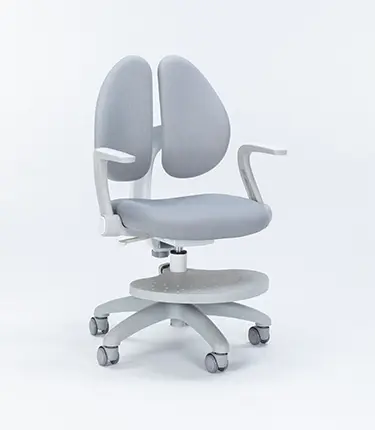
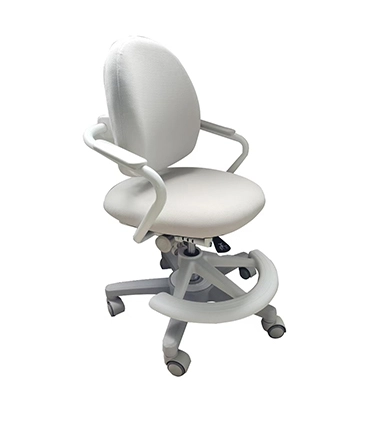


Office-chair buyers frequently see suppliers advertise “EN 1335” or “BIFMA” in catalogs and quotations. These references can be useful, but they are often presented without the standard edition, exact model, laboratory, configuration or report scope.
For importers, the practical question is not which logo looks stronger. It is whether the selected chair has been evaluated against the requirements needed for the destination market and whether the evidence applies to the exact product being ordered.
The EN 1335 office chair framework is a European series associated with office work-chair dimensions, safety and performance requirements. ANSI/BIFMA X5.1 is a North American standard titled for general-purpose office chairs and focuses on test methods and performance of office seating.
They are among the most frequently referenced office chair testing standards, but they are not identical and should not be treated as automatic substitutes. The applicable standard depends on market, customer specification, chair type, contract and current edition. Neither standard automatically covers every legal obligation related to chemicals, flammability, labeling, packaging, electrical accessories or consumer warranties.
EN 1335 is a multi-part European standard series for office work chairs. Buyers should identify the exact part and edition referenced in a quotation or test report.
In practical procurement terms, the series addresses two important areas:
· Dimensional characteristics and adjustment ranges relevant to office work-chair users.
· Safety, strength, durability and stability requirements or associated test methods, depending on the applicable part and edition.
An EN 1335 office chair claim should therefore be supported by more than a supplier statement. The buyer needs to see which parts were evaluated, what model was tested and whether the report covers the final configuration.
A chair may survive structural tests but still fail to provide the adjustment range or geometry expected for an office work chair. Dimensions can involve seat height, seat depth, seat width, backrest position, armrest geometry and adjustment characteristics.
This is particularly important when one model is sold across multiple regions. A chair designed around one user population or price point may not satisfy every dimensional category or buyer specification.
A report should identify the chair through model number, photographs, drawings or component description. If the buyer changes the base, mechanism, gas lift, armrests, back structure or seat dimensions, the original report may no longer represent the ordered product.
ANSI/BIFMA X5.1 is commonly referenced for general-purpose office chairs in the North American commercial furniture market. It contains a series of performance tests intended to evaluate chair safety, strength, durability and stability under defined conditions.
The test program can address chair components and functions such as:
· Backrest strength and durability.
· Seat impact and durability.
· Stability.
· Armrest performance.
· Base and caster performance.
· Swivel, tilt or other functions where applicable.
· Structural integrity after specified loading or cycling.
A BIFMA office chair statement should identify the exact standard title and edition. Buyers should also distinguish between a product tested to a standard and a product certified under a separate third-party certification program. The permitted marketing wording depends on the actual evidence.
Comparison Point | EN 1335 | ANSI/BIFMA X5.1 |
Main market relevance | European office-work-chair procurement | North American commercial office seating |
Structure | Multi-part European standard series | General-purpose office-chair test standard |
Key buyer focus | Dimensions/adjustability plus safety and performance requirements according to applicable parts | Strength, durability, stability and functional performance tests |
Report check | Part, edition, model, dimensions, configuration and result | Edition, model, configuration, test sequence and result |
Common mistake | Treating one part or a dimensional review as proof of every requirement | Using “BIFMA certified” when evidence only shows selected testing |
Procurement use | EU projects, tenders and customer specifications | US/Canada commercial projects and buyer specifications |
The table is a procurement summary, not a replacement for the standards themselves. Standards are revised, and buyers should use the edition named in the contract or required by the customer.
The EN 1335 series gives buyers a structured way to discuss office-chair dimensions and adjustment ranges. This is valuable when ergonomic fit and workstation compatibility are central to the purchasing specification.
ANSI/BIFMA X5.1 is generally used as a performance-test reference. A North American buyer may still have separate dimensional or ergonomic requirements that are not fully defined by a strength-and-durability report.
European buyers, distributors and tenders may name EN 1335 directly. North American commercial buyers commonly reference ANSI/BIFMA X5.1. Global brands may require both, plus internal specifications that are stricter or more detailed.
Not every chair belongs under the same standard. A task chair, executive chair, visitor chair, lounge chair and 24-hour control-room chair can have different intended uses and buyer expectations. Confirm that the cited standard is appropriate for the product type.
Test results apply to the configuration that was evaluated. Changes to the mechanism, base, casters, gas lift, armrests, backrest or seat construction can affect performance.
Before approving a mesh office chair for wholesale projects, compare its bill of materials with the photographs and model description in the report.
A passing report does not evaluate every aspect of customer satisfaction. Buyers should also assess comfort, noise, adjustment feel, assembly, finish consistency, packaging, spare parts and warranty performance.
Start with the customer, tender and destination-market requirements. EN 1335 may be requested for office work chairs, but additional obligations may apply to materials, chemicals, flammability, labeling, environmental claims or public procurement.
Commercial furniture buyers often request ANSI/BIFMA X5.1 evidence. Some customers also require sustainability or indoor-air-quality programs, corporate specifications or testing for heavier-duty use.
A global distributor may choose one chair platform and validate different configurations for multiple markets. This requires strict component control. A report for the EU configuration should not automatically be attached to a North American version if critical parts differ.
Follow the written tender specification. If the tender names a standard edition, certification program, accredited laboratory or report age, those terms should be included in the supplier contract.
These phrases should not be used interchangeably.
· Tested to: A laboratory has conducted tests against stated clauses or a full standard, with results documented in a report.
· Complies with: A broader claim that should be supported by appropriate evidence and responsibility.
· Certified: Usually indicates a defined third-party program, rules, surveillance or authorization. The exact meaning depends on the program.
Ask the supplier to provide the evidence before using any claim on a product page, carton or tender response.
Xinchi provides public information about its chair testing and quality checks. Importers should request the complete report pages and verify that the tested model matches the purchase specification.
Request the complete report rather than only the cover or conclusion page. The report should show:
· Laboratory identity.
· Report number and date.
· Standard title and edition.
· Applicant and manufacturer details.
· Model number and photographs.
· Product description and configuration.
· Test clauses and results.
· Deviations, failures or limitations.
The bill of materials should identify critical components such as the back frame, seat structure, mechanism, gas lift, base, casters and armrests. This enables the buyer to control substitutions.
For EN 1335-related procurement, request dimension drawings and adjustment ranges. Measure the production sample rather than relying only on a catalog illustration.
Some components may have their own supplier documents or tests. Component evidence is useful, but it does not replace evaluation of the assembled chair.
Request incoming inspection, assembly checks, functional tests and final inspection criteria. Consistency in production matters as much as the original laboratory sample.
The purchase agreement should state that changes to critical materials or components require written buyer approval and, when necessary, updated testing.
Use a report-to-product verification table.
Verification Point | Report | Quotation/Sample | Match? |
Model number | |||
Seat and back dimensions | |||
Backrest structure | |||
Mechanism | |||
Gas lift | |||
Base and casters | |||
Armrests | |||
Upholstery/mesh | |||
Maximum-use claim |
If the report uses a family-model structure, ask the laboratory or supplier to explain how variants are covered. Do not assume that a shared product name is enough.
For a new office-chair program, testing should occur at defined gates:
1. Engineering review of dimensions and intended use.
2. Component and prototype evaluation.
3. Pre-test or internal validation.
4. Independent laboratory testing where required.
5. Packaging and assembly validation.
6. Pilot-production inspection.
7. Ongoing production checks and change control.
Buyers developing a new model can use Xinchi’s custom chair service to define dimensions, components and branding, but the testing plan should be agreed before tooling or mass production.
EN 1335 and ANSI/BIFMA X5.1 do not automatically settle every compliance question. Depending on the market and product, buyers may need to review:
· Restricted substances and chemical requirements.
· Upholstery flammability requirements.
· Formaldehyde or emissions requirements for certain materials.
· Product labeling and traceability.
· Packaging and recycling obligations.
· Electrical requirements for powered features.
· Warranty and consumer-protection rules.
· Claims about ergonomics, weight capacity or sustainability.
A compliance matrix should assign each requirement to evidence, responsible party and approval status.
· Listing “BIFMA” without the standard number or edition.
· Publishing a certificate image that does not identify the chair model.
· Using a report for a different base, mechanism or back structure.
· Assuming a component report proves the assembled chair.
· Treating an internal test as equivalent to an independent report without disclosure.
· Claiming certification when the evidence shows only testing.
· Forgetting dimensional and ergonomic requirements when focusing on durability.
· Changing components after testing without technical review.
Before ordering an EN 1335 office chair or BIFMA office chair, confirm:
1. Destination market and customer specification.
2. Correct standard, part and edition.
3. Exact model and configuration.
4. Complete report from an acceptable laboratory.
5. Dimension and adjustment data.
6. Bill of materials and controlled components.
7. Additional chemical, flammability and labeling requirements.
8. Approved production sample.
9. Change-control and inspection procedure.
10. Authorized marketing wording.
Xinchi’s company profile states that the company works with office-chair standards and maintains testing and production capabilities. Buyers should still request model-specific reports and current evidence before using compliance claims in their own market.
No. They are different standards used in different market contexts and with different structures and emphases. Buyers should follow the destination-market and customer requirements.
Not automatically. A test report shows what was tested and the results. Certification usually refers to a separate program with defined rules and authorization.
A chair can be evaluated against both if its design and configuration meet the applicable requirements. Separate testing and documentation may be needed.
Standards and products can change. Rather than relying on a universal validity period, check the report date, current standard edition, component changes and customer requirements.
Color changes may not affect structural performance, but material, stitching or construction changes can matter. Ask how variants are covered and document approved alternatives.
Request a formal model-correlation statement supported by photographs, drawings and bill-of-material comparison. Do not rely on a verbal explanation.