English
  日本語
日本語  한국어
한국어  français
  Deutsch
  italiano
  русский
  português
  العربية
  Gaeilge
Address
PORT INDUSTRIAL ZONE,TIANHUANGPING TOWN, ANJI COUNTY,ZHEJIANG PROVINCE,CHINA
Nov 13, 2025
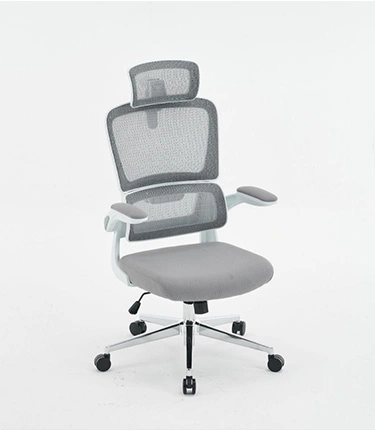
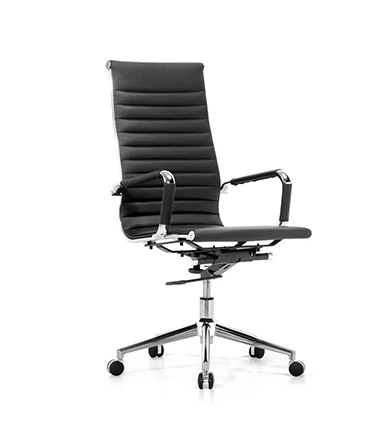
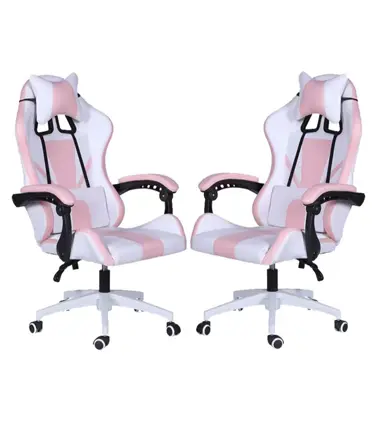
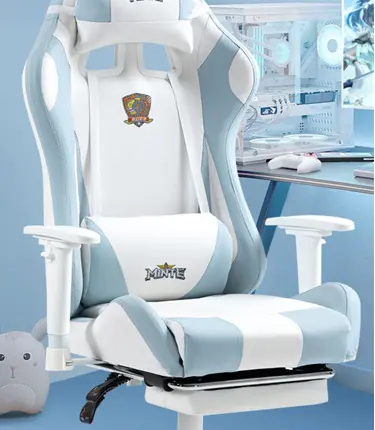








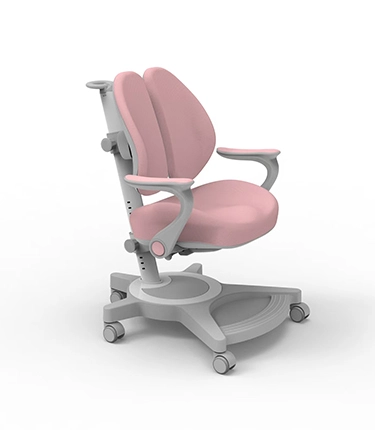
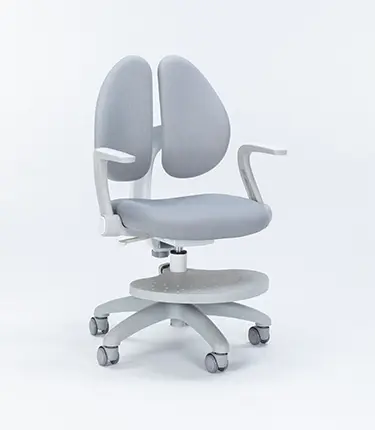
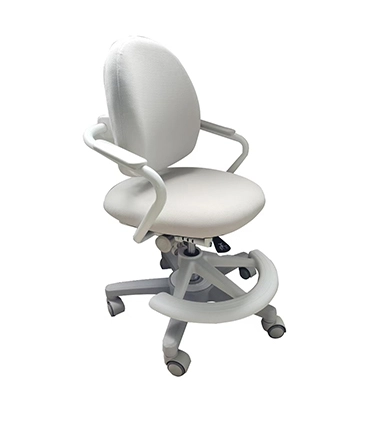
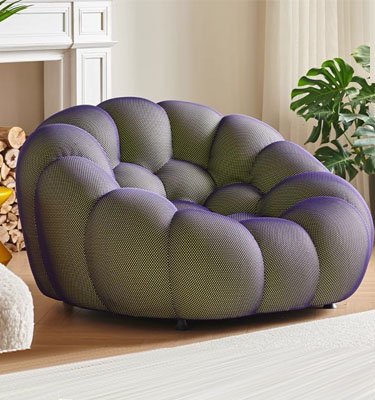
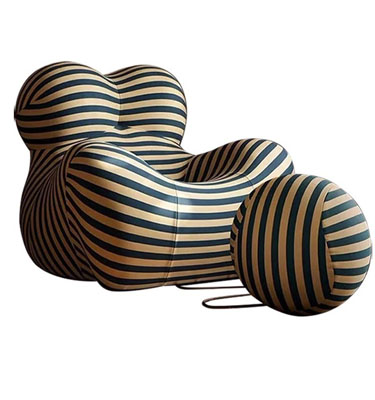
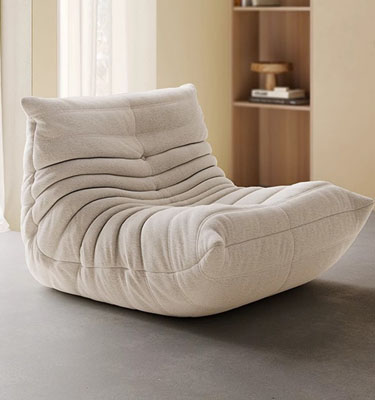
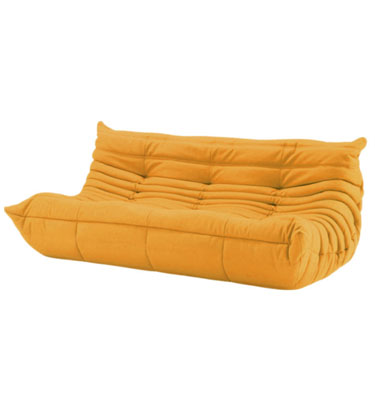

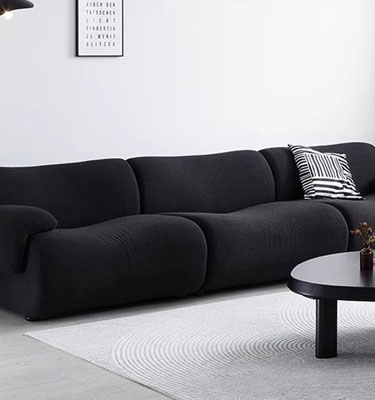
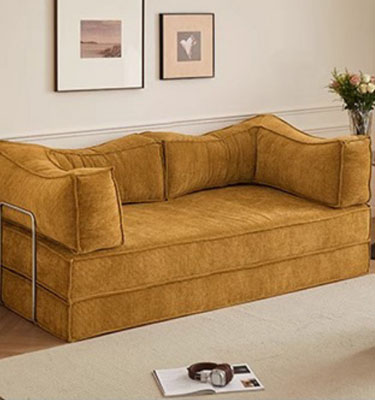
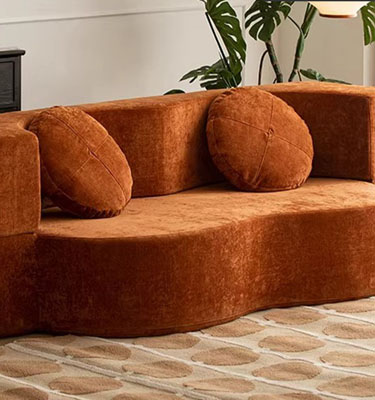

Compressed sofas have become attractive to furniture importers because a soft, frameless or modular sofa can be vacuum packed into a much smaller shipping package than its expanded form. The logistics benefit can be significant, but only when the foam, upholstery, seams, compression process and recovery performance are properly controlled.
Choosing a compressed sofa manufacturer therefore requires more than comparing style and unit price. Buyers must understand how the sofa is compressed, how long it can remain packed, how it recovers after unpacking and how final carton dimensions affect real container utilization.
A compression sofa is designed so that the main volume can be reduced by extracting air from the foam and packing the product under controlled pressure. Depending on the model, it may be a single-seat lounge chair, a modular sofa, a floor sofa, a sofa bed or a multi-seat frameless unit.
The basic process is:
1. Complete the upholstered sofa or foam module.
2. Inspect dimensions, seams, surface and cleanliness.
3. Place the product in a protective bag.
4. Remove air using vacuum equipment.
5. Fold or shape the compressed unit when the design permits.
6. Seal the inner bag and place it in the final carton or outer package.
7. Record the packing date and storage conditions.
The product must be engineered for this process from the beginning. A conventional sofa cannot automatically become a reliable compression sofa simply by applying stronger vacuum pressure.
Buyers can review Xinchi’s wholesale compression sofa collection to compare single-seat, modular and sofa-bed formats before defining a test and loading plan.
Foam is the core functional material in many compressed sofas. The correct selection balances comfort, shape retention, compression tolerance, recovery speed and cost.
Density describes mass per unit volume, while firmness describes how the foam feels under a defined load or test method. A denser foam is not always firmer, and a written density number alone does not guarantee recovery.
Ask the compression sofa factory to identify:
· Foam type and supplier.
· Nominal density and tolerance.
· Firmness or approved comfort reference.
· Layer structure and thickness.
· Adhesive or lamination method.
· Recycled-content policy if relevant.
· Compression duration supported by validation.
The final approval should be based on a physical sample and an agreed recovery protocol, not only a material data sheet.
Some sofas use a firmer core with softer comfort layers. This can improve shape and sitting feel, but layers must remain aligned after compression and recovery. Inspect for shifting, ridges, delamination and uneven edges.
Foam blocks and profiles should be cut consistently. Small dimensional errors can become visible after upholstery and may create asymmetric armrests, uneven seat height or gaps between modular units.
The upholstery must tolerate folding, pressure and temporary wrinkling without permanent damage.
Check abrasion, pilling, colorfastness, stretch, seam slippage and cleaning method according to the intended market. Fabrics with different backing or elasticity can recover differently even when they look similar.
Velvet and other directional-pile fabrics require controlled cutting orientation. Compression can create temporary pressure marks, so the unpacking instructions should explain brushing, steaming or recovery time where appropriate.
A removable cover can simplify cleaning and replacement, but it adds zipper, fit and assembly requirements. Test whether buyers can reinstall the cover correctly after washing and whether shrinkage affects fit.
Inspect stitch density, seam allowance, high-stress corners, zipper ends and label placement. A seam that looks acceptable before compression may open or distort after the sofa expands.
Recovery testing should be agreed before mass production. There is no single universal protocol suitable for every design, so the buyer and supplier should define the measurements, timing and acceptance criteria for the actual product.
A practical protocol can include the following stages.
Record:
· Product length, width and height.
· Seat height and major module dimensions.
· Weight.
· Photographs from fixed angles.
· Surface condition, symmetry and seam condition.
· Firmness or reference sitting evaluation.
Document the vacuum setting or process parameters used by the factory, final package dimensions and packing date. Store samples for the durations relevant to the real supply chain, including production wait, ocean transport, customs and warehouse time.
For a new program, test more than one duration rather than assuming that a short factory trial represents a long export journey.
Record the time when the bag is opened and photograph the immediate condition. Check for unusual odor, foam cracking, severe wrinkles, shifted layers, seam stress and asymmetric expansion.
Measure the same dimensions at agreed intervals, such as after several hours, after one day and after multiple days. The exact checkpoints should match the product and the buyer’s sales promise.
Checkpoint | What to Record |
Immediately after opening | Expansion behavior, visible damage, odor and shape |
Early recovery | Length, width, height, seam condition and major wrinkles |
24-hour review | Dimensional recovery, symmetry, comfort and surface appearance |
48–72-hour review | Final practical recovery and remaining deformation |
Extended review if needed | Performance after a longer packed-storage simulation |
Sit on the sofa after recovery and check support, balance and local collapse. For modular products, connect the units and assess alignment. For sofa beds, operate the folding or conversion function repeatedly.
The acceptance criteria should state what is measurable and what is visual. Terms such as “recovers well” are too vague for a purchase contract.
Vacuum packing reduces volume but introduces other risks: puncture, seal leakage, moisture, sharp carton edges and uncontrolled expansion.
Confirm the packaging layers and their functions:
· Inner protective layer to prevent fabric contamination or abrasion.
· Vacuum bag with suitable thickness and sealing method.
· Edge or corner protection where the design requires it.
· Outer bag or carton for handling and labeling.
· Desiccant or moisture control when justified by the route and materials.
· Opening instructions that prevent customers from cutting the upholstery.
Ask the factory to conduct handling and transport validation on the final package. A sample compressed in the laboratory but never moved through a real distribution process provides incomplete evidence.
Xinchi’s custom furniture service can be used to specify carton artwork, labels, instructions, cover materials and package configuration for a private-label program.
Container planning must use the approved mass-production carton dimensions, not an early estimate. Calculate carton cubic volume as:
Carton CBM = Length (m) × Width (m) × Height (m)
A hypothetical carton measuring 1.00 m × 0.50 m × 0.40 m has a volume of 0.20 m³. This does not mean that a container’s nominal internal volume can be divided perfectly by 0.20. Real loading is affected by carton orientation, door opening, internal dimensions, weight distribution, unused gaps and handling requirements.
Request:
· Carton dimensions and tolerance.
· Gross and net weight.
· Loading layout by container type.
· Number of cartons per row and layer.
· Photos or diagrams from a trial loading when available.
· Allowance for pallets if the buyer requires palletized shipping.
Suppliers may describe a compression percentage in different ways. One may compare expanded product volume with vacuum-bag volume, while another compares expanded product volume with final carton volume. These are not the same calculation.
Require both dimensions:
1. Expanded product dimensions.
2. Final shippable carton or package dimensions.
Then calculate and record the method. The logistics decision should be based on final cartons per container and landed cost per saleable unit.
Compressed sofas may be bulky but not extremely heavy. Even so, cartons must be stacked in a way that avoids crushing lower units or damaging seals. Confirm maximum stacking height and warehouse-storage orientation.
The compression sofa factory should state the validated packed-storage duration and required conditions. Buyers should add realistic time for port delays, customs and inventory holding rather than planning only for ocean-transit days.
High temperature and humidity can affect foam, adhesive, fabric and packaging. Discuss route conditions and avoid making a universal storage claim without validation.
The end user should know:
· Where to open the package.
· How to avoid cutting the fabric.
· Expected recovery period.
· How to reshape cushions or modules.
· When the sofa is ready for normal use.
· What to do if recovery is incomplete.
Clear instructions reduce returns caused by premature evaluation immediately after opening.
A capable compressed sofa manufacturer should be able to show control from foam receipt to final loading.
· Approved foam and fabric codes.
· Incoming inspection and supplier records.
· Color-lot management.
· Adhesive and accessory control.
· Cutting templates or digital cutting files.
· Layer assembly and bonding process.
· Sewing standards and in-process checks.
· Dimensional inspection before compression.
· Equipment maintenance.
· Defined vacuum and sealing process.
· Leak inspection.
· Package-dimension inspection.
· Packing-date and batch traceability.
· Appearance and measurement checklist.
· Random unpack-and-recovery testing.
· Carton marking and quantity check.
· Corrective-action records.
· Pre-shipment inspection access.
Review Xinchi’s company profile and quality-control approach and request project-specific evidence for the selected sofa model.
1. Which sofa models are validated for vacuum compression?
2. What foam type, density tolerance and layer structure are used?
3. What is the approved fabric and color standard?
4. What packed-storage duration has been tested?
5. What recovery checkpoints and acceptance criteria are available?
6. What are the expanded and final carton dimensions?
7. What is the loading quantity by container type?
8. What is the MOQ per model, color and fabric?
9. Can the supplier provide custom covers, labels and carton artwork?
10. What test reports or material documents are available?
11. How are punctured bags, incomplete recovery and transit damage handled?
12. Can the buyer conduct an audit and pre-shipment inspection?
· Selecting foam only by density and ignoring recovery behavior.
· Testing recovery after only a short packed period.
· Approving fabric appearance but not seam and wrinkle recovery.
· Comparing compression percentages calculated by different methods.
· Using theoretical container volume instead of a loading layout.
· Omitting unpacking instructions from the customer experience.
· Allowing material substitutions without written approval.
· Placing a large order before validating production samples.
Use this sequence:
1. Approve the expanded design and comfort.
2. Freeze foam, fabric, seams, dimensions and accessories.
3. Approve the vacuum-pack method and final carton.
4. Complete packed-storage and recovery testing.
5. Validate customer unpacking instructions.
6. Confirm loading quantity using final cartons.
7. Approve a sealed reference sample.
8. Run a pilot or pre-production batch when the design is new.
9. Conduct production and pre-shipment inspections.
Buyers looking for compression sofas for sale at wholesale level should request full packaging and recovery data, not only product photos. Send the model type, destination, target quantity and required test duration through Xinchi’s contact page for a project-based proposal.
Recovery time varies by foam, design, compression duration, temperature and package condition. Suppliers should provide a model-specific protocol and buyers should validate it under realistic transport and storage conditions.
No. The foam, layer structure, upholstery and seams must be suitable for compression and recovery. Conventional framed sofas may not be appropriate for this packing method.
Compare final carton dimensions, cartons per container, damage risk and landed cost per unit. Do not rely only on a stated compression percentage.
The package can expand, deform the carton or lose loading efficiency. The supplier should define bag inspection, seal checks and handling procedures, and the buyer should agree on remedies for failed packaging.
Yes. The validation duration should include realistic production, transit, customs and warehouse time, with a safety margin appropriate to the business.
Request material specifications, pre-compression dimensions, packing records, final carton data, recovery test results, batch inspection records and loading information for the exact model.