English
  日本語
日本語  한국어
한국어  français
  Deutsch
  italiano
  русский
  português
  العربية
  Gaeilge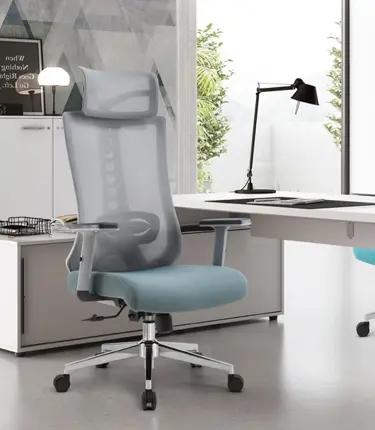
Address
PORT INDUSTRIAL ZONE,TIANHUANGPING TOWN, ANJI COUNTY,ZHEJIANG PROVINCE,CHINA
Apr 17, 2025
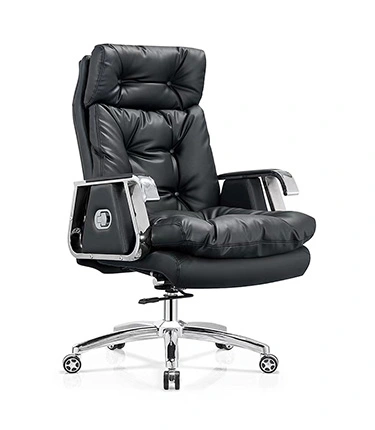
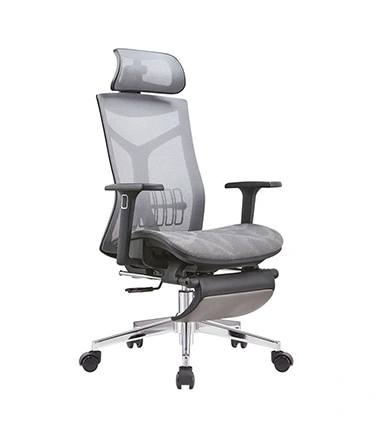
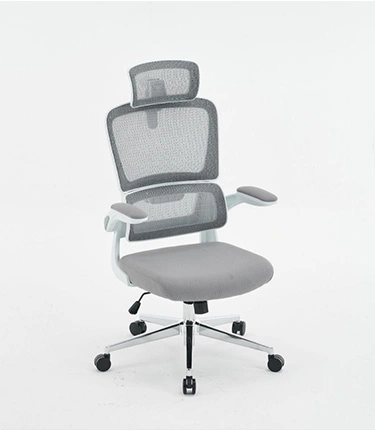
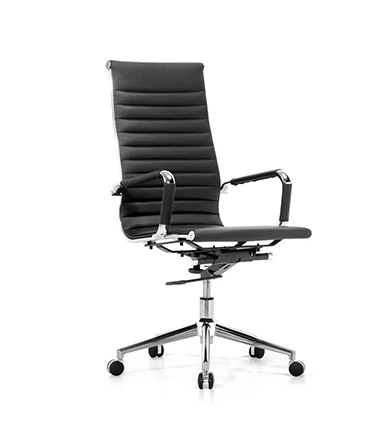
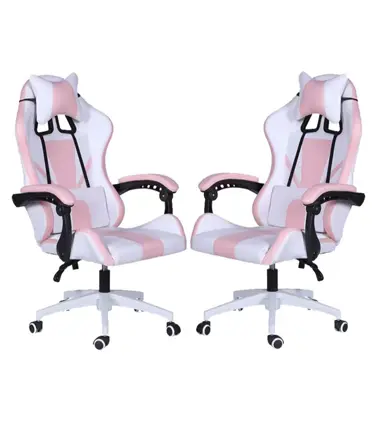
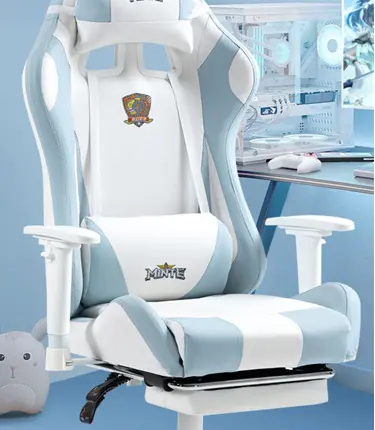
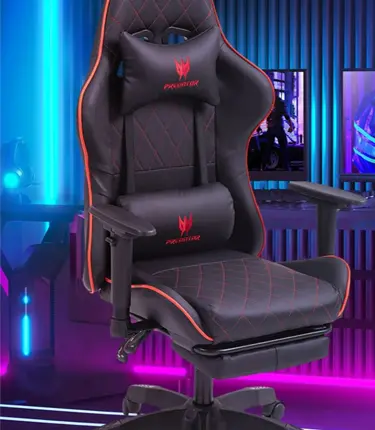
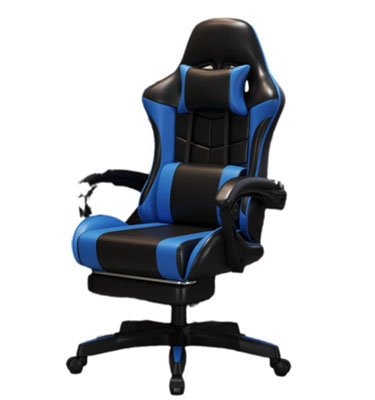
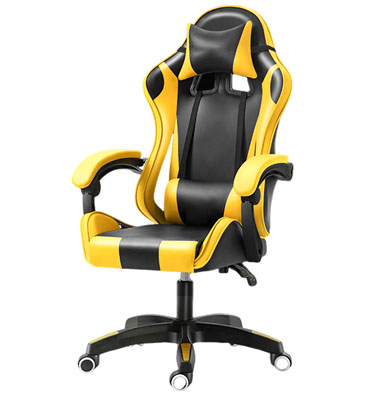
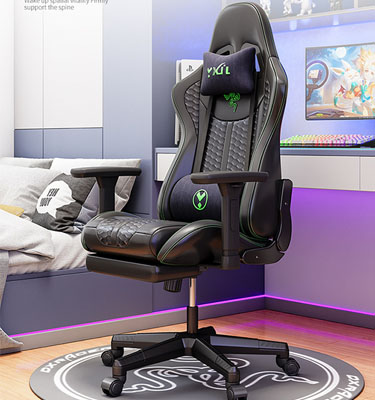

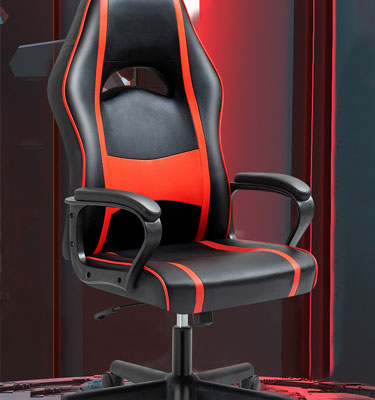


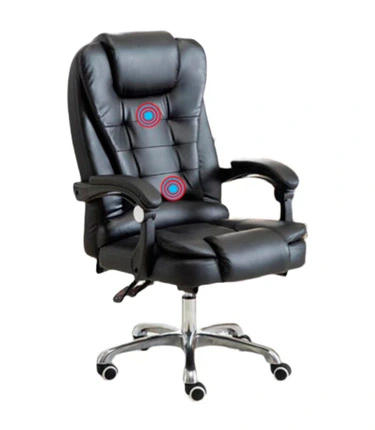
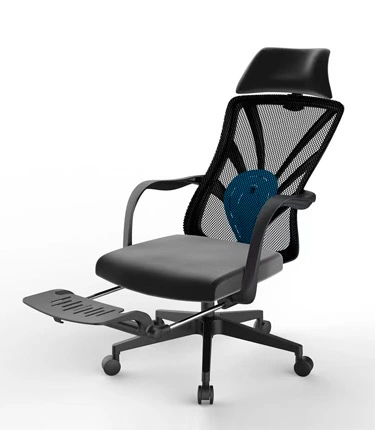
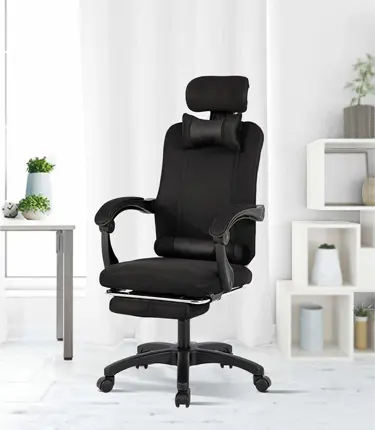
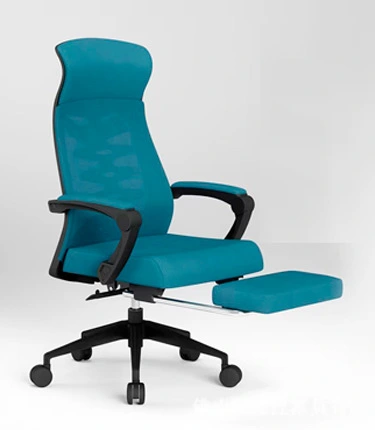
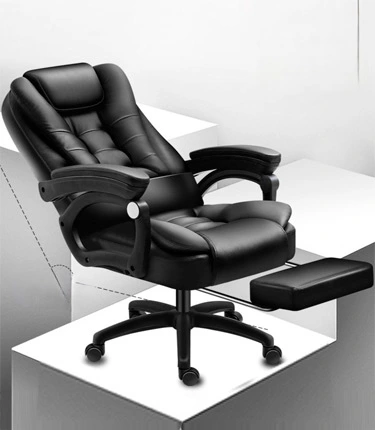





Choosing a gaming chair factory is not simply a search for the lowest unit price. For importers, distributors and private-label brands, the supplier must be able to reproduce an approved product consistently, document critical components, protect the chairs during transport and respond when quality issues occur.
A factory can have an attractive catalog and still be the wrong match for your project. The selection process should begin with your market and product specification, then move through construction, testing, sample approval, commercial terms and production controls.
A clear buying brief prevents suppliers from quoting different products under the same general description. Before requesting prices, define:
· Target country and sales channel.
· Retail price band and target landed cost.
· User profile, including body size and expected daily use.
· Product position: entry-level, mid-market, premium, esports or office-gaming crossover.
· Required functions, materials, colors and branding.
· Applicable standards, labeling, language and packaging requirements.
· Forecast order quantity and expected reorder cycle.
A chair intended for a supermarket promotion is not engineered or packaged in the same way as a premium chair sold through a specialist gaming retailer. Give suppliers one reference specification so that quotations can be compared fairly.
Most factories offer several platforms that can be modified through upholstery, color, armrests, mechanisms, bases or accessories. Starting with a proven platform is usually faster and less risky than creating a completely new chair.
Review Xinchi’s gaming chair models for wholesale and OEM projects to identify the closest frame and function combination. Then create a gap list showing what must change for your market.
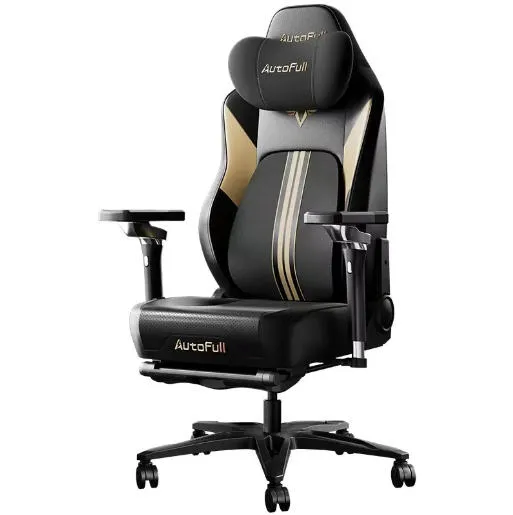
These chairs use a recognizable high-back silhouette, side bolsters and bold color blocking. They are suitable for gaming-focused retail but may feel too visually aggressive for office or home-furnishing channels.
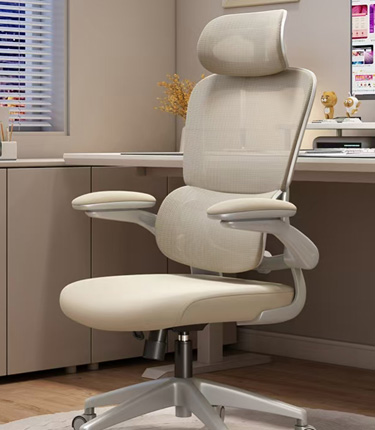
Ergonomic gaming chairs use mesh, segmented back support, adjustable lumbar systems or more neutral styling. They can target hybrid users who work and play at the same desk.
Larger models require more than a wider cushion. The frame, mechanism, gas lift, base, armrest mounting and stability must be evaluated as a complete system. Avoid relying on a marketing weight claim without model-level test evidence.
Additional features can increase conversion, but they also add components and failure points. Check the footrest structure, cable routing, power source, replacement parts and packaging protection.
The visible cover is only one part of the chair. Ask the factory for a component breakdown and verify it against the sample.
Confirm the frame material, tube dimensions where relevant, welding quality, mounting points and reinforcement. Inspect alignment between the seat, back, mechanism and armrests. Poor alignment can produce noise, uneven recline or assembly problems even when the chair looks acceptable in photos.
Ask whether the seat uses molded foam, cut foam or a layered construction. Define density, hardness or approved reference sample as appropriate. Foam should be evaluated for initial feel, shape retention, edge support and consistency between production batches.
Avoid approving foam only by a written number. Two suppliers can use similar stated density but produce a different sitting feel due to formulation, thickness and geometry.
For PU leather, confirm backing, thickness, surface performance, color standard and any required chemical testing. For fabric, review abrasion, pilling, colorfastness and cleaning expectations. For mesh, check tension, edge attachment and long-term deformation.
The approved material should be identified by supplier code, color code and physical swatch. Substitutions should require written approval.
These components strongly influence safety, function and after-sales risk.
· Mechanism: tilt type, recline control, lock positions, tension adjustment and lever operation.
· Gas lift: class or specification, stroke, supplier identification and report coverage.
· Base: material, diameter, finish, reinforcement and compatibility with the intended load.
· Casters: wheel material, stem fit, flooring application, noise and rolling performance.
· Armrests: adjustment directions, pad material, mounting strength and play after cycling.
Request the bill of materials for the approved sample. A quotation that says “same as sample” is not enough if the supplier can change component brands or grades without notification.
Testing should be model-specific and market-specific. A general company certificate does not replace a product report, and a report for one configuration may not cover another frame, base or mechanism.
Use the factory’s chair testing information as a starting point, then request the following for the exact model:
1. Standard name and edition.
2. Tested model number and photographs.
3. Laboratory name and report date.
4. Configuration and components covered.
5. Test results, deviations and conclusion.
6. Any additional chemical, flammability or labeling documents required in the destination market.
Buyers should avoid using “BIFMA certified” or similar marketing language unless the underlying program and authorization support that wording. “Tested to” a standard and independently certified under a program are not automatically the same claim.
OEM can mean anything from adding a logo to changing a complete structure. Separate the project into levels.
Customization Level | Typical Changes | Main Control Point |
Branding | Logo, labels, manual and carton artwork | Artwork approval and trademark authorization |
Cosmetic | Upholstery, stitching, color and surface finish | Approved swatches and sealed sample |
Component | Armrests, base, casters, mechanism or accessories | Compatibility and updated testing scope |
Structural | New frame, molds, dimensions or functions | Drawings, tooling ownership, validation and pilot production |
Xinchi’s custom chair development service can be used to define the required customization level. For any structural change, request drawings, tooling terms, ownership provisions, validation samples and a written change-control process.
Ask for MOQ by model, by color and by material. A supplier may accept a low total quantity but require a higher minimum for custom fabric, molded foam, printed cartons or special components.
For a mixed container, request a loading plan and identify which SKUs can share components or packaging dimensions. Too many low-volume variants can increase mistakes and spare-parts complexity.
The sample process should include:
· Standard sample or customized sample.
· Sample fee and refund policy.
· Expected completion date.
· Courier or freight method.
· Approval checklist.
· Whether the approved sample will be sealed and retained for mass-production comparison.
A sample should be assembled, used and, where possible, disassembled again. This exposes missing parts, confusing instructions, thread damage and packaging weaknesses.
Break lead time into product development, material preparation, production, inspection and shipment readiness. Avoid a single promise such as “30 days” without identifying when the clock starts and what buyer approvals are required.
Gaming chairs are usually shipped knocked down, so packaging quality directly affects damage rates and customer reviews.
Confirm:
· Carton dimensions, gross weight and net weight.
· Internal protection for armrests, mechanism, base and upholstery.
· Hardware pack organization and spare fasteners.
· Assembly manual and QR-code support if used.
· Carton strength appropriate for the distribution route.
· Drop-test or transport-validation method when required.
· Loading quantity by container type, based on final carton dimensions.
Request photos of the actual packed sample. A carton drawing alone may not show pressure points or loose movement inside the box.
Fast replies are useful, but disciplined replies are more important. A capable pc gaming chair factory should be able to answer technical questions consistently and maintain one controlled specification across sales, engineering, purchasing, production and inspection.
Look for:
· Version-controlled quotations and specifications.
· Clear responsibility for drawings and samples.
· Incoming, in-process and final inspection records.
· Traceability for critical materials and components.
· Corrective-action procedures.
· Pre-shipment inspection access.
· Spare-parts and warranty-claim process.
Review the supplier’s company and quality-control profile, but verify the statements through records, video review, an audit or third-party inspection.
A low quote may exclude testing, premium components, better packaging, inspection or spare parts. Use a normalized comparison sheet.
Cost Element | Supplier A | Supplier B | Supplier C |
Product configuration | Same approved specification? | ||
Unit price and Incoterm | |||
MOQ by SKU | |||
Sample and tooling | |||
Testing/document cost | |||
Carton size and loading quantity | |||
Spare-parts allowance | |||
Inspection and rework responsibility | |||
Lead time |
Calculate landed cost, not only ex-factory cost. A slightly higher chair price can be commercially better if it reduces carton volume, damage, assembly complaints or warranty claims.
Send the following information when requesting a quotation from a chinese gaming chair supplier:
1. Target market and buyer type.
2. Reference model or required product platform.
3. Seat and back dimensions.
4. User weight and intended use.
5. Upholstery, foam and color requirements.
6. Mechanism, recline, gas lift, base, casters and armrests.
7. Headrest, lumbar cushion, footrest or massage feature.
8. Logo, labels, manual and carton artwork.
9. Required standards and reports.
10. Initial quantity, annual forecast and mixed-container needs.
11. Target shipment date and Incoterm.
12. Required sample, inspection and warranty terms.
· The company will not identify the legal exporter or production location.
· Product claims change between the salesperson, quotation and sample.
· The supplier refuses to provide model-specific report pages or component details.
· The sample uses unmarked or different components from the quotation.
· The carton quantity is calculated before final dimensions are confirmed.
· The supplier pressures the buyer to skip sample approval or inspection.
· Warranty responsibility is vague or limited to sending a few free parts.
· A structural customization is promised without drawings, tooling or validation.
Use a gated process:
1. Shortlist three to five factories based on product fit.
2. Issue one standardized RFQ.
3. Review documents and conduct a remote or on-site assessment.
4. Order samples from the strongest candidates.
5. Compare construction, comfort, assembly, packaging and communication.
6. Freeze the approved specification and commercial terms.
7. Place a pilot order when risk is high or customization is significant.
8. Inspect production and shipment before final payment according to the contract.
When the product definition is ready, send the model, quantity, target market and customization requirements through Xinchi’s contact page to receive a project-based quotation rather than a generic catalog price.
Check the legal entity, factory address, production records and process evidence. Use a live video tour, audit or third-party inspection and confirm which processes are performed in-house.
OEM usually uses an existing platform with buyer branding or specified changes. ODM involves deeper supplier-led design or structural development. The exact scope should be written into drawings, specifications and tooling agreements.
It depends on the market, customer and product claim. Define the applicable standard before quotation and verify that the report covers the exact model and configuration.
At minimum, order one fully configured sample for evaluation. For important custom programs, additional samples may be needed for laboratory testing, photography, packaging validation and the retained approval sample.
Inspection should occur when the goods are complete and packed but before shipment and before the contractual final-payment trigger. The exact timing and inspection rights should be written into the purchase agreement.
The strongest indicator is controlled repeatability: the supplier can document the approved product, reproduce it in mass production and correct problems transparently.