English
  日本語
日本語  한국어
한국어  français
  Deutsch
  italiano
  русский
  português
  العربية
  Gaeilge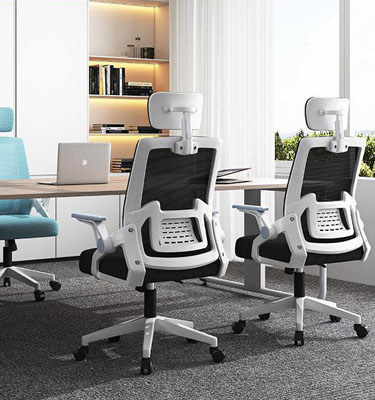
Address
PORT INDUSTRIAL ZONE,TIANHUANGPING TOWN, ANJI COUNTY,ZHEJIANG PROVINCE,CHINA
Dec 22, 2025
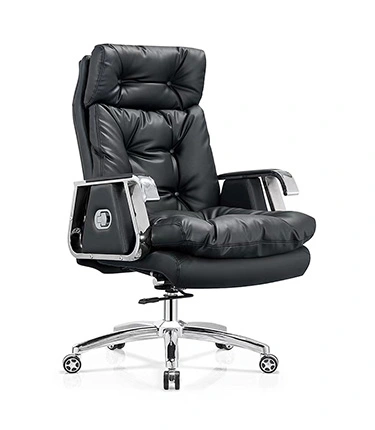
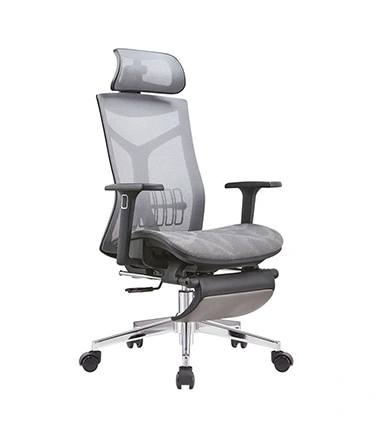
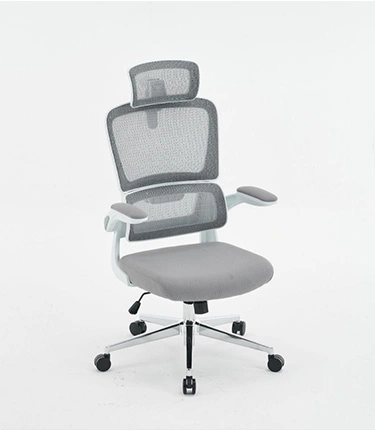
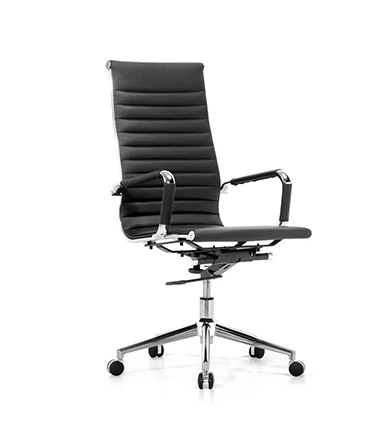
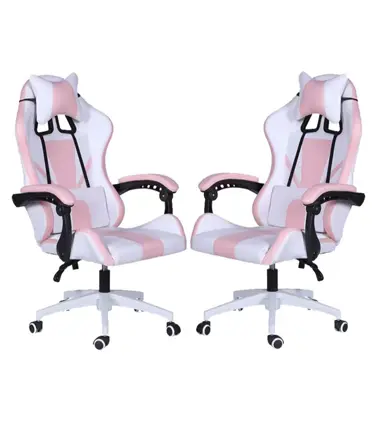
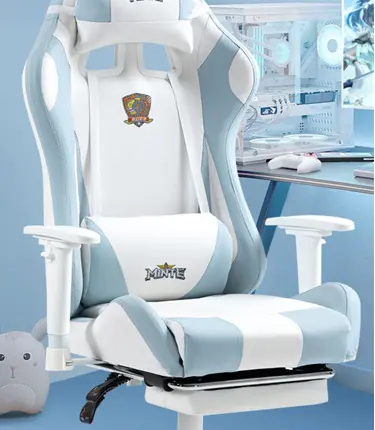
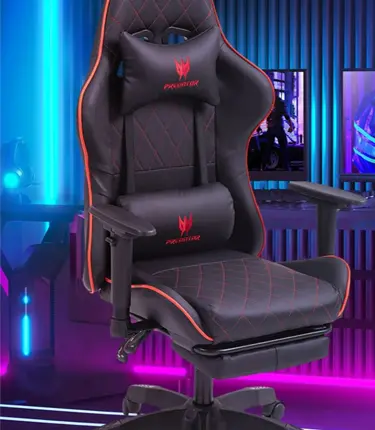
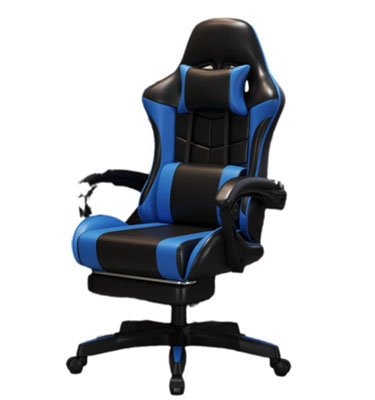
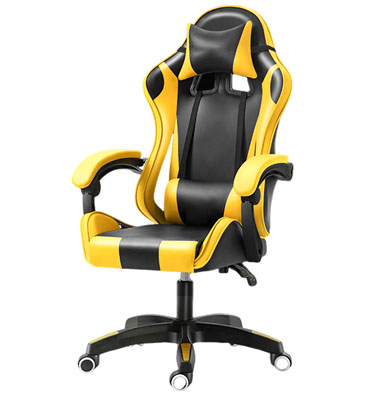
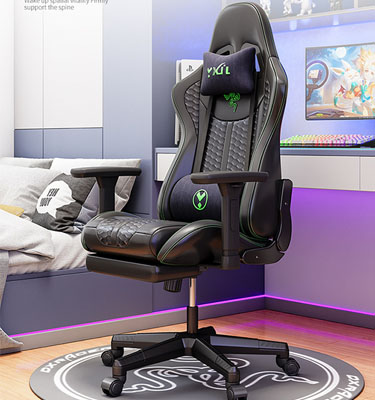

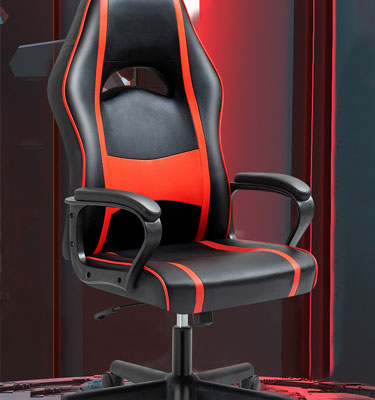


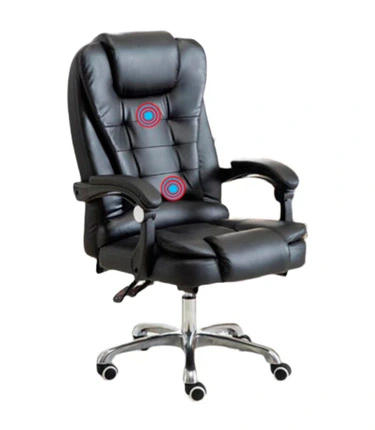
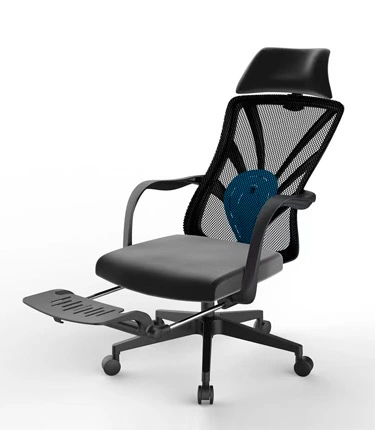
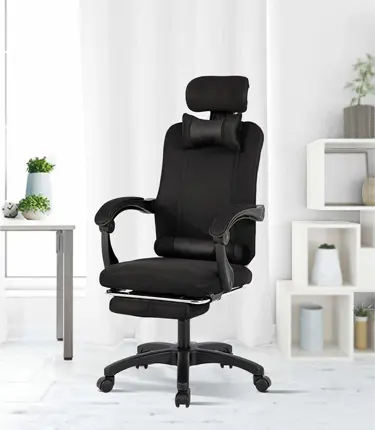
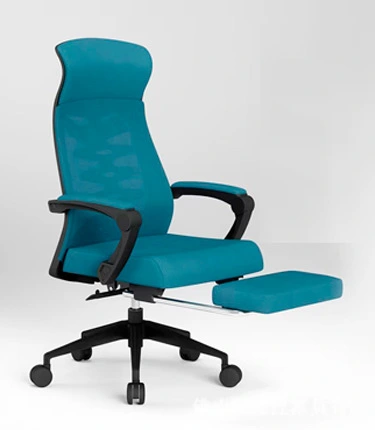
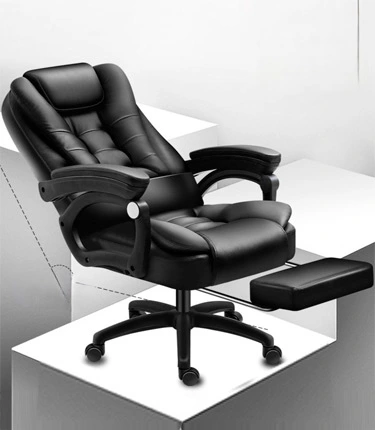
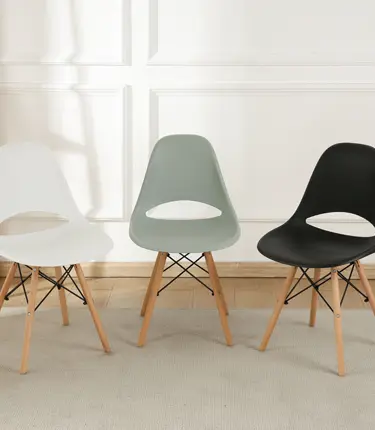
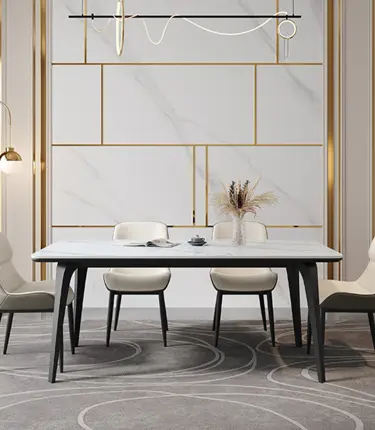
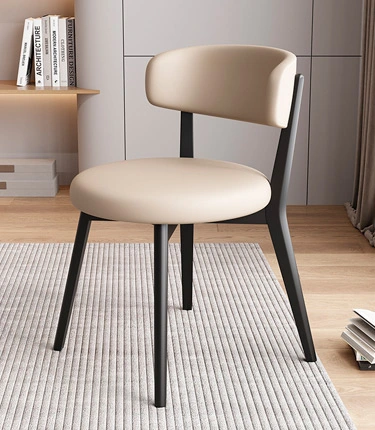
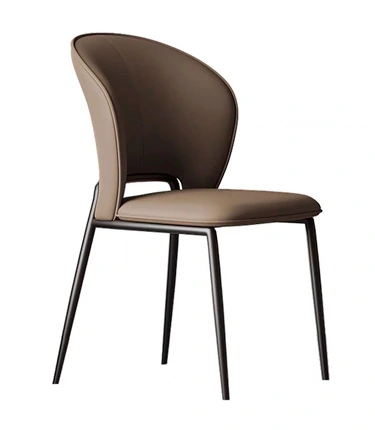
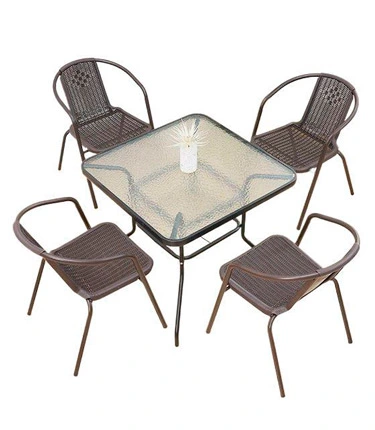
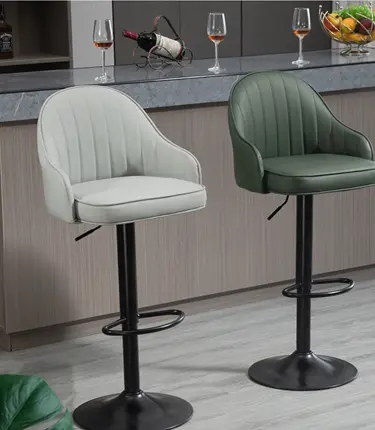
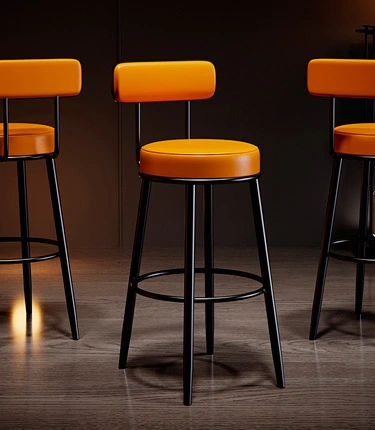
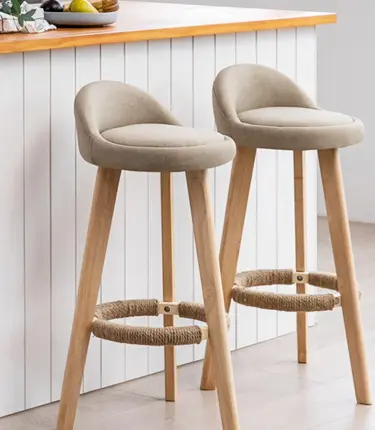
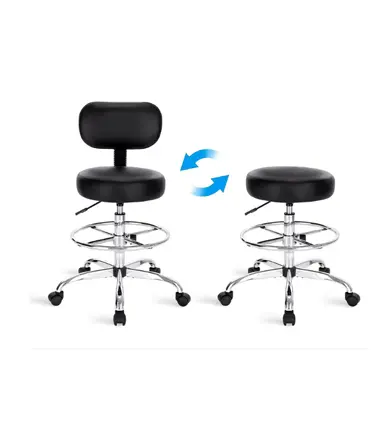
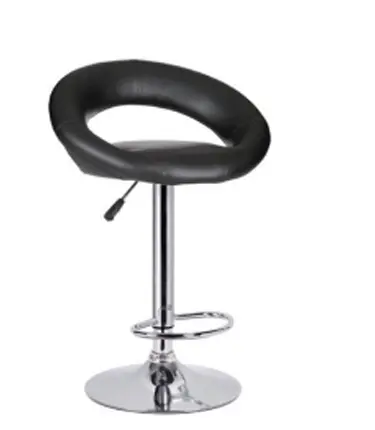
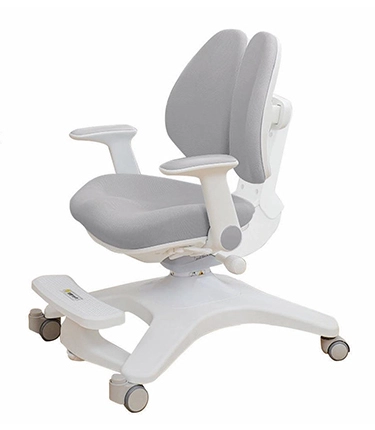
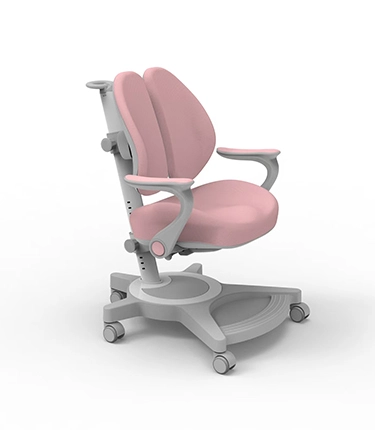
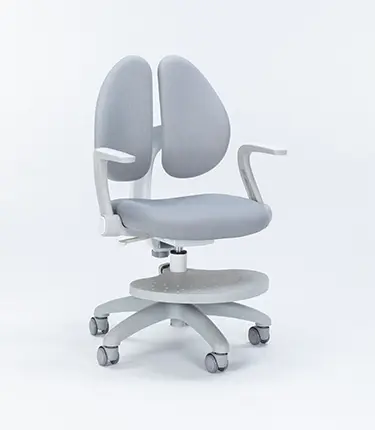
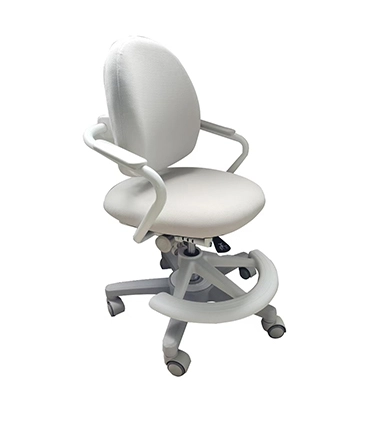
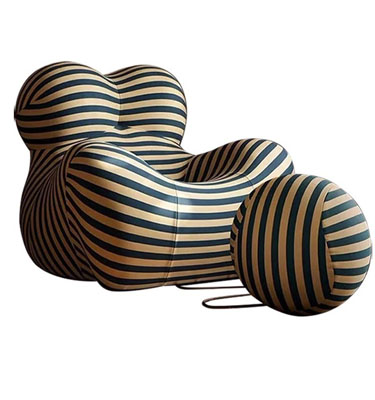
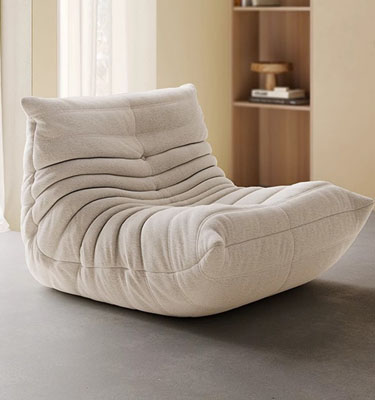
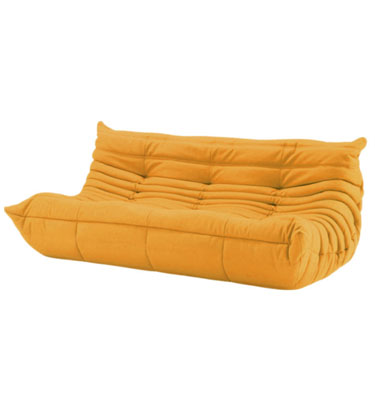

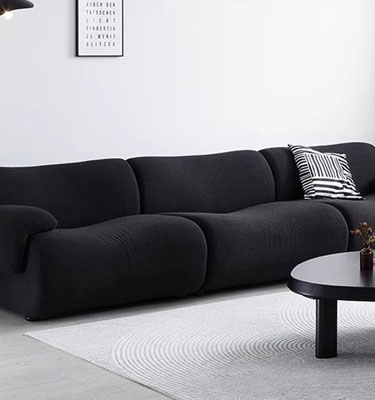
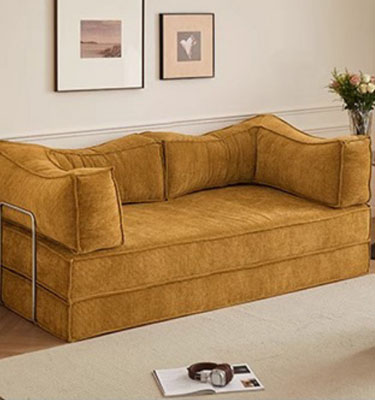
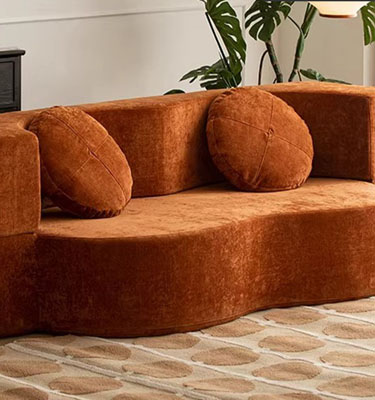

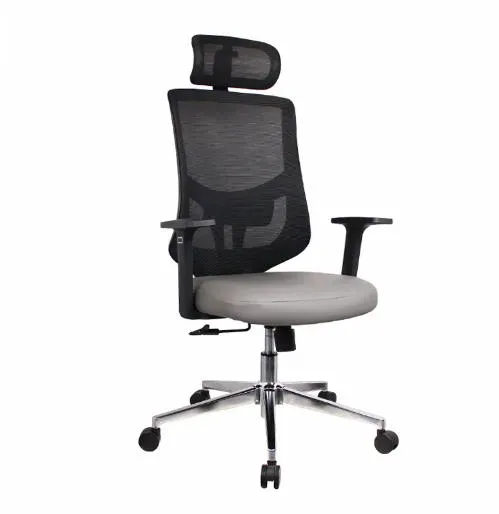
The core design concept of an ergonomic chair is to guide users toward maintaining a correct sitting posture, thereby reducing pressure on the intervertebral discs and minimizing fatigue caused by long hours of sitting. Unlike traditional office chairs, ergonomic chairs feature multiple adjustable functions that can be customized to match individual body shapes and work habits. Below are the key design elements that contribute to improving sitting posture and comfort.
An ergonomic chair with adjustable seat height ensures that both feet rest flat on the ground, while the knees maintain a natural 90-degree bend. This helps prevent poor blood circulation in the legs and promotes long-term sitting comfort.
The backrest of an ergonomic chair is designed to match the natural S-curve of the human spine. By adjusting the tilt angle, the backrest provides firm lumbar support, reducing spinal disc pressure and protecting the lower back.
Modern ergonomic chairs feature multi-directional armrests that allow height and angle adjustment. Proper armrest positioning enables the arms to rest naturally, reducing muscle strain in the shoulders and neck during extended computer work.
High-quality ergonomic chairs use mesh fabric, elastic sponge, or other breathable materials. These fabrics allow air circulation, prevent heat buildup, and provide a soft yet supportive sitting experience, avoiding the discomfort of sweating during long working hours.
A reliable ergonomic chair is built on a strong foundation. Frames made of reinforced metal or premium plastic ensure stability, durability, and safety, even under continuous use.
Many advanced ergonomic chairs include independent lumbar support systems. These adjust automatically or manually to closely fit the user’s lower back, relaxing the lumbar vertebrae and effectively reducing spinal fatigue.
For users who sit for extended periods, an ergonomic chair with an adjustable headrest provides crucial support to the neck and cervical spine. This helps prevent discomfort and stiffness caused by prolonged forward or upward head positions.

Ergonomic chairs combine these adjustable design elements to promote healthy sitting posture, enhance comfort, and reduce physical fatigue. If you suffer from neck, shoulder, or lower back pain caused by long sitting hours, choosing the right ergonomic chair is an investment in your health and productivity.