English
  日本語
日本語  한국어
한국어  français
  Deutsch
  italiano
  русский
  português
  العربية
  Gaeilge
Address
PORT INDUSTRIAL ZONE,TIANHUANGPING TOWN, ANJI COUNTY,ZHEJIANG PROVINCE,CHINA
Mar 17, 2025
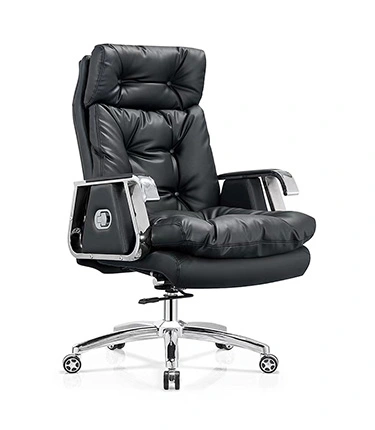
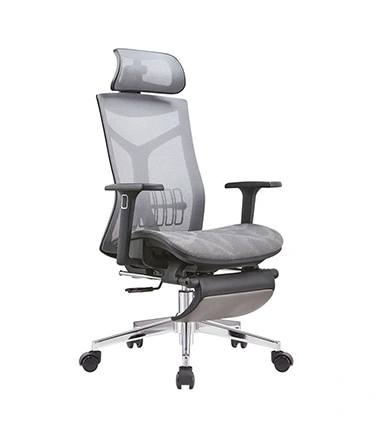
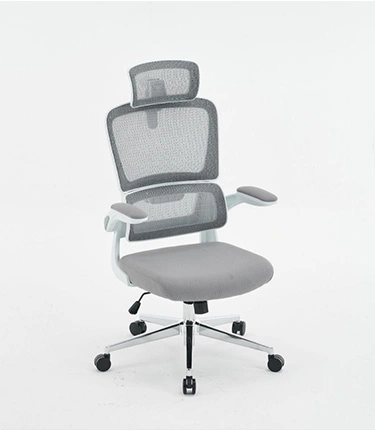
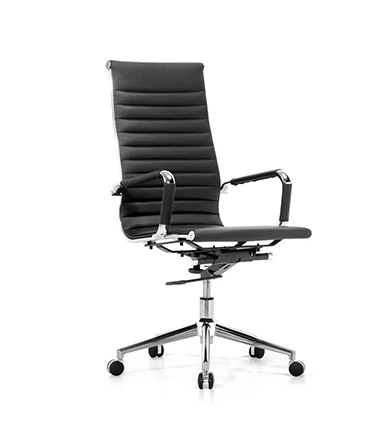
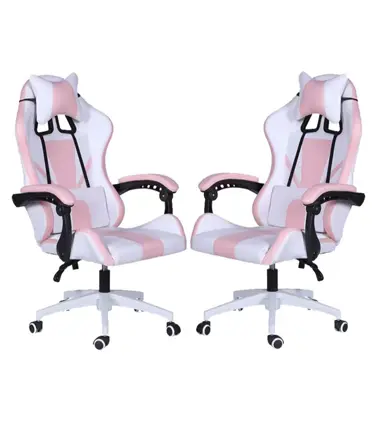
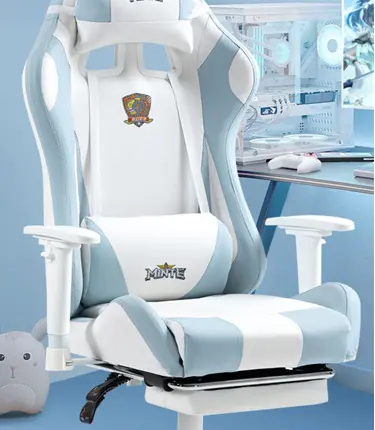
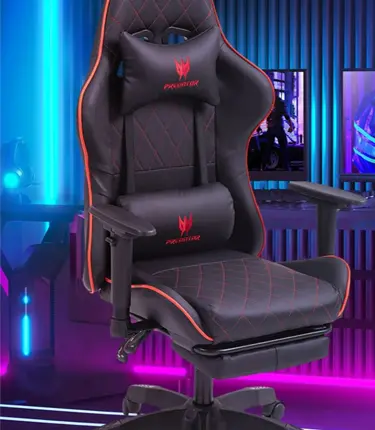
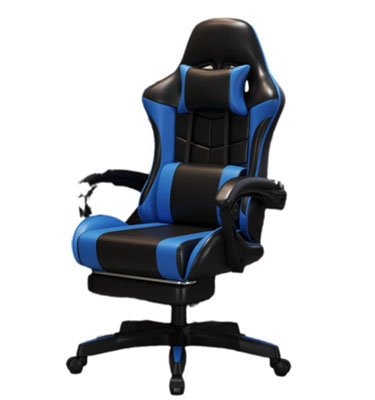
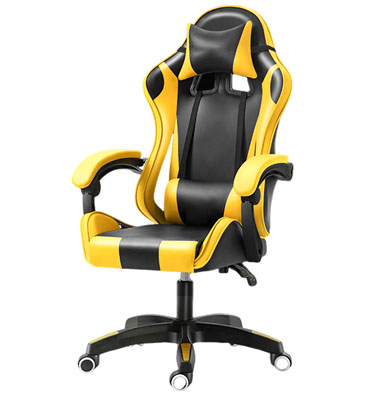
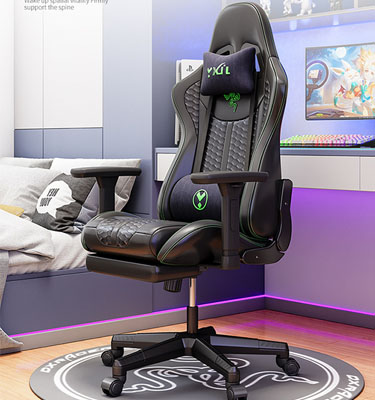

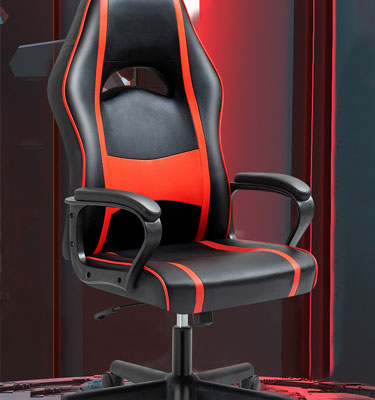


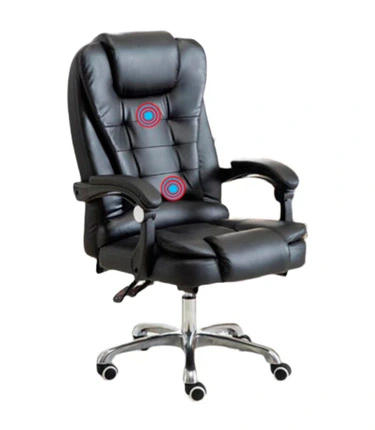
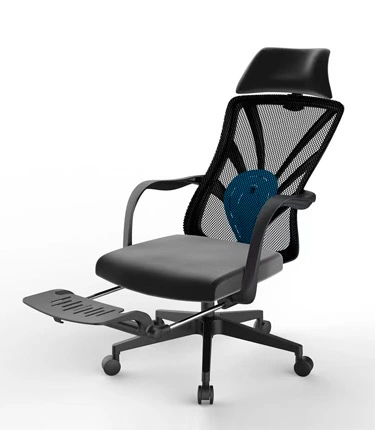
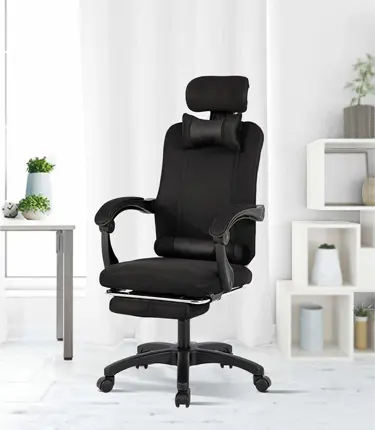
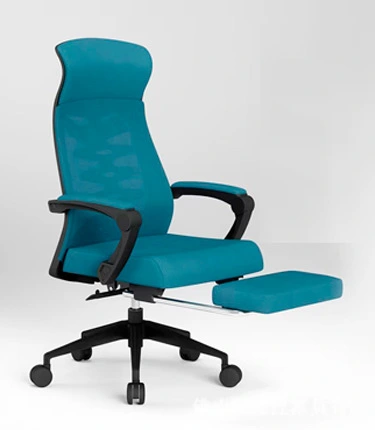
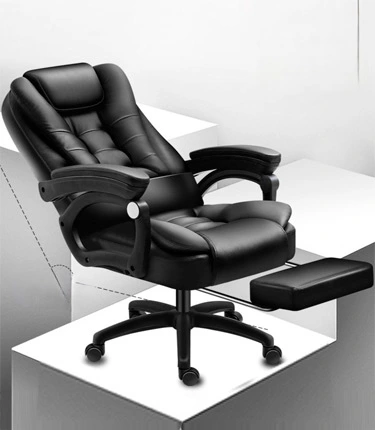


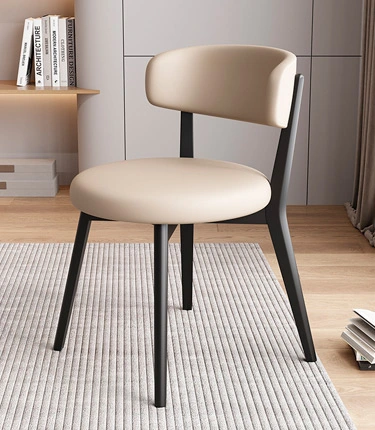
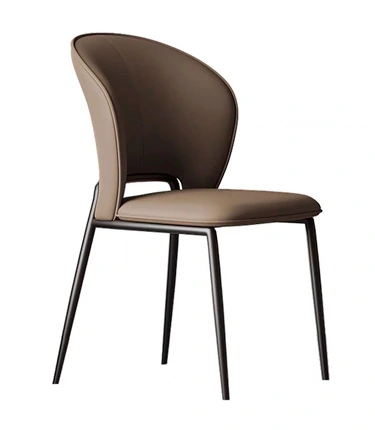
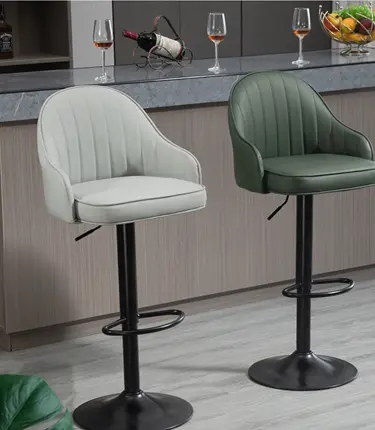

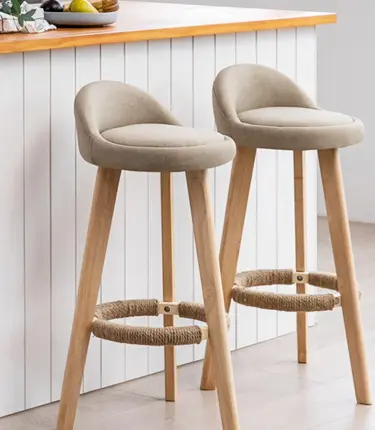
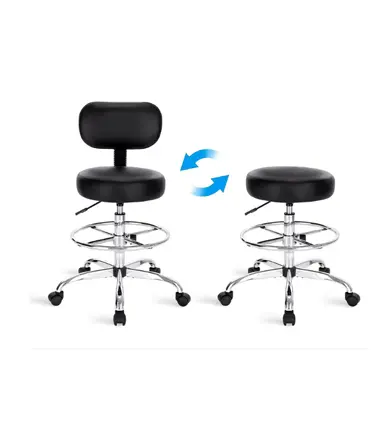
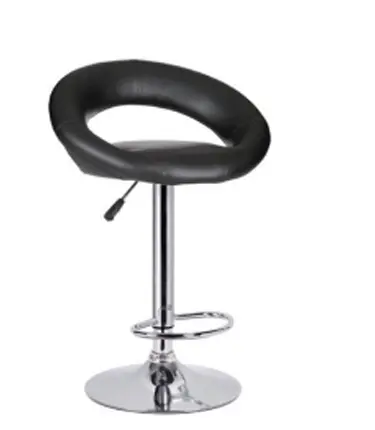
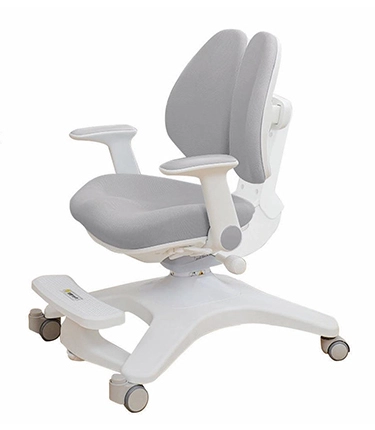
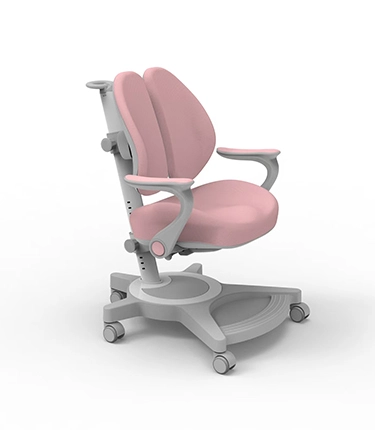
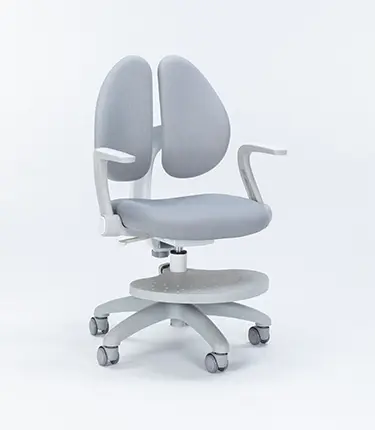
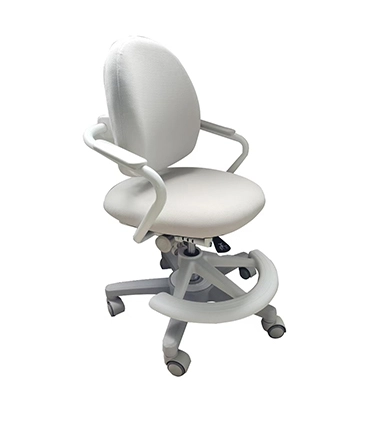
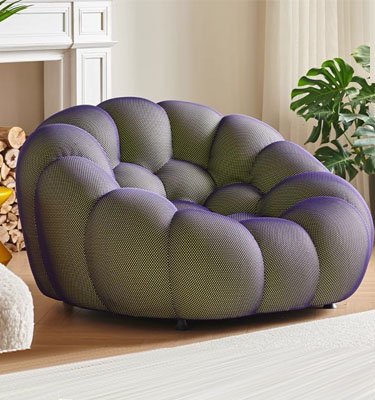
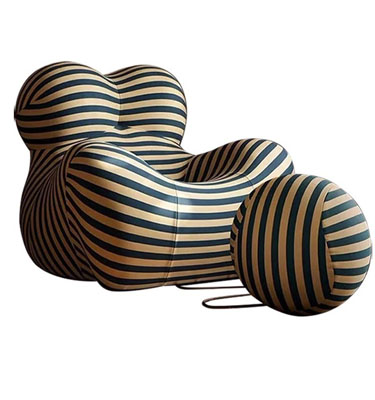
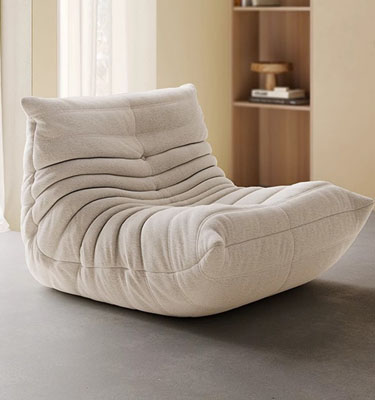
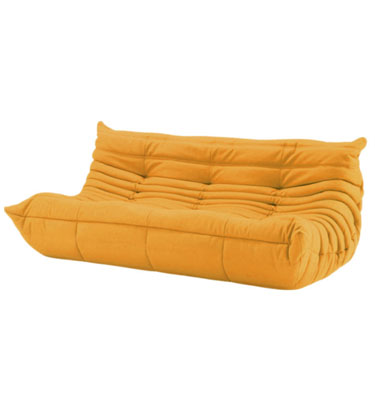


The esports gaming chair manufacturing industry is currently experiencing rapid development and transformation. Driven by the growth of the esports sector and consumption upgrading, the market continues to expand while responding to intense competition and cost pressures. The industry is evolving toward intelligence, personalization, and sustainability.
Global Market: In 2024, global esports gaming chair sales are estimated at approximately $4.107 billion and are projected to reach $9.384 billion by 2031, representing a CAGR of 12.5%.
Chinese Market: China remains a major market, with the scale expected to reach 30 billion yuan in 2025, making it a crucial hub for production and consumption.
Esports Industry Growth: The rise in esports users and professional competitions drives demand for professional-grade gaming chairs.
Health Awareness: Gamers increasingly value ergonomics to protect their waist, neck, and back during long sitting periods.
Consumption Upgrading: Younger consumers are willing to pay a premium for comfort, quality, and personalization.

International Brands: Companies like Secretlab, DXRacer, and Herman Miller dominate in brand reputation and technological innovation.
Chinese Local Brands: Brands such as Andes and UE are actively expanding market share and improving product design.
Market Dynamics: Leading companies are consolidating shares, but product homogeneity has begun to appear, increasing price competition.
Intelligent Features: Integration of smart adjustment, health monitoring (heart rate, posture), and IoT connectivity has become a differentiator for high-end gaming chairs.
Material and Function Innovation: Use of eco-friendly materials like degradable PU, carbon fiber support, 4D armrests, and multi-directional tilting mechanisms is now standard in premium models.
Personalized Design: Popular culture integrations (anime, game IPs) and customized options appeal to individual expression among younger users.
Cost Pressure: Raw material price fluctuations (metal, plastic, foam) and global logistics costs heavily influence gaming chair pricing.
Capacity Distribution: Production is concentrated in China, Southeast Asia, and other key regions.
Countermeasures: Enterprises optimize through large-scale production, supply chain integration, and efficient logistics solutions.
Trade Policies: Tariffs and international regulations directly affect global supply chains, prompting some gaming chair manufacturers to relocate production regionally.
Environmental Policies: Increasingly strict environmental regulations push factories to adopt greener materials and sustainable manufacturing processes.
Emerging Markets Expansion: Southeast Asia, India, and the Middle East are rapidly growing esports markets with huge potential for gaming chairs.
Scenario Diversification: Demand is expanding from home use to commercial applications such as esports, hotels, and internet cafes.
Technical Barriers Construction: Innovations in smart features and ergonomics allow companies to create technological advantages and command higher prices.
Rising Competition: Price wars and product homogeneity may erode overall profits.
Supply Chain Risks: Global uncertainties in raw materials and international trade policies need constant attention.
Compliance Costs: Meeting stricter environmental and trade regulations increases operational complexity and costs for gaming chair manufacturers.

The esports gaming chair industry presents both remarkable opportunities and significant challenges. Understanding market trends, competitive dynamics, technological innovations, and policy impacts is essential for manufacturers and buyers alike.
For businesses or individuals seeking deeper insights into specific segments or strategies of leading brands, detailed market intelligence can provide actionable guidance for investment, sourcing, or product development decisions.