English
  日本語
日本語  한국어
한국어  français
  Deutsch
  italiano
  русский
  português
  العربية
  Gaeilge
Address
PORT INDUSTRIAL ZONE,TIANHUANGPING TOWN, ANJI COUNTY,ZHEJIANG PROVINCE,CHINA
Sep 25, 2025
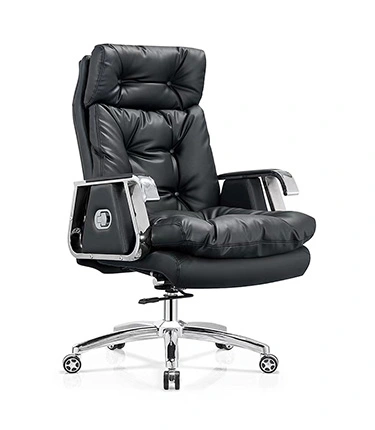
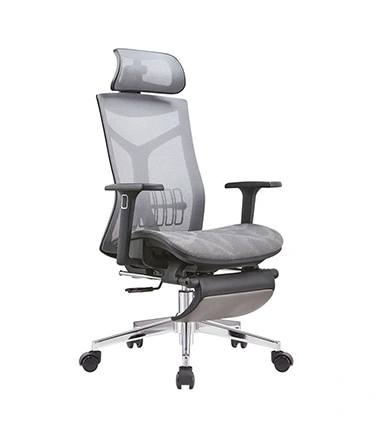
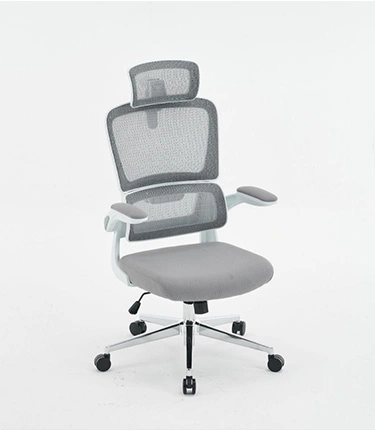
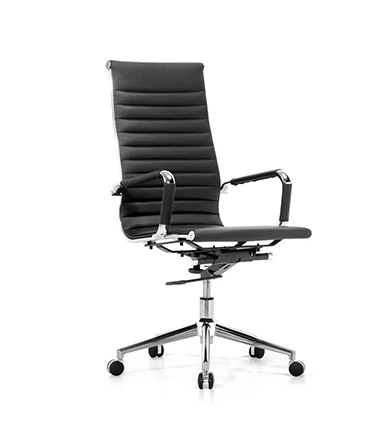
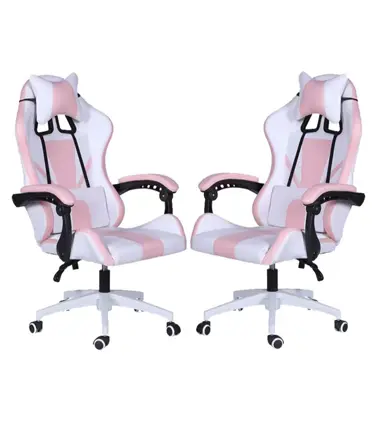
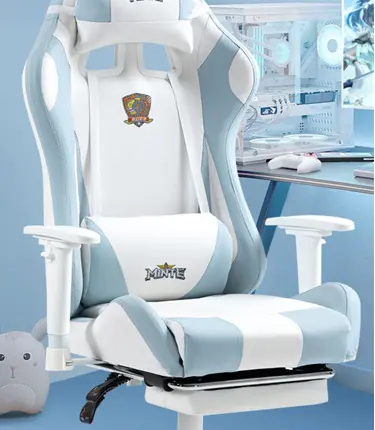
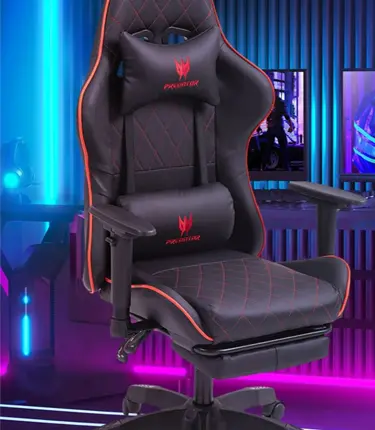
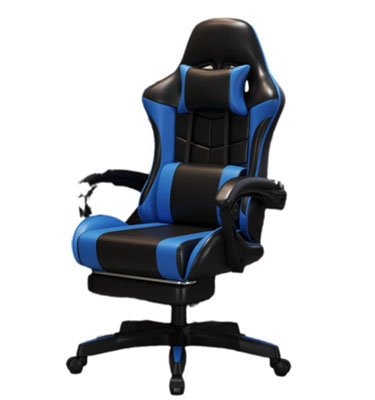
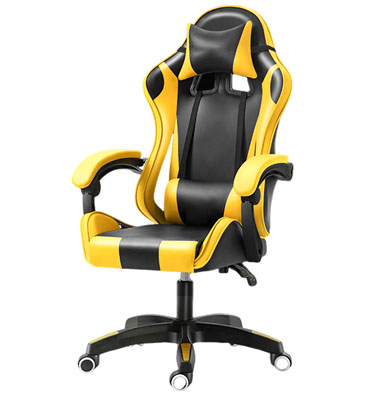
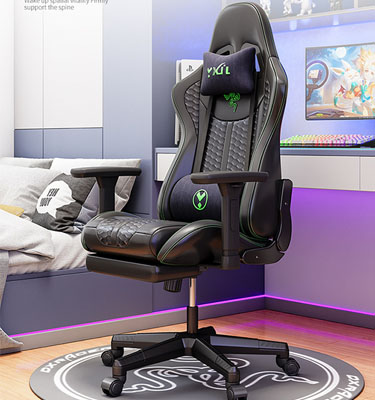

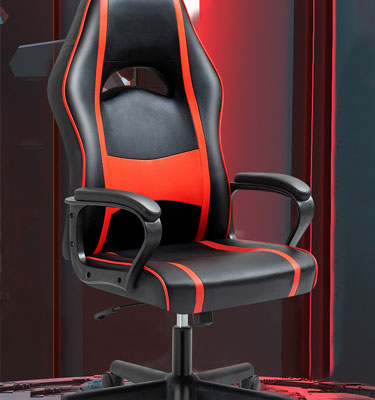


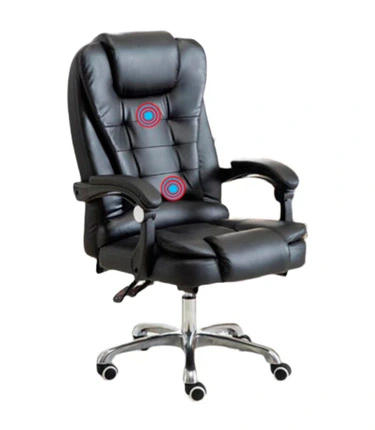
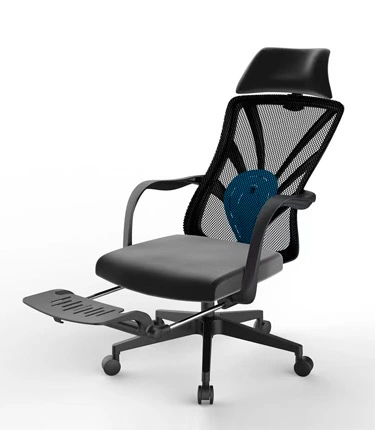
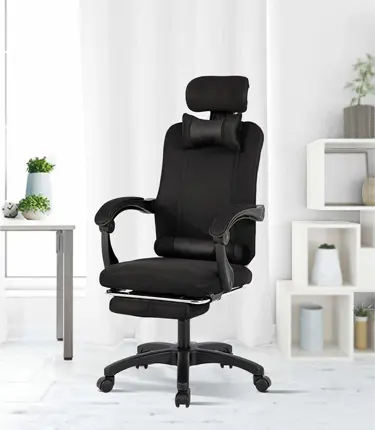
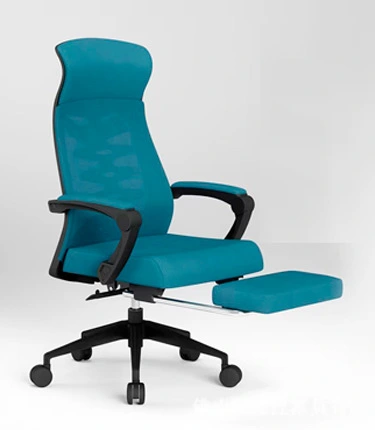
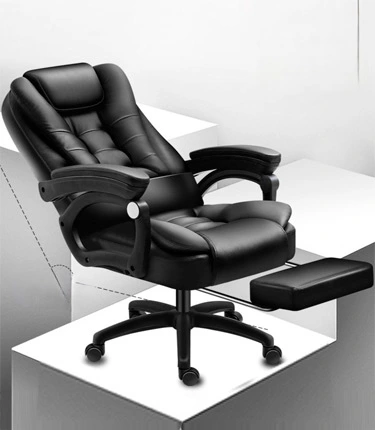
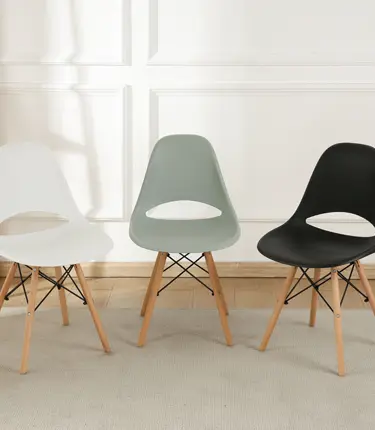
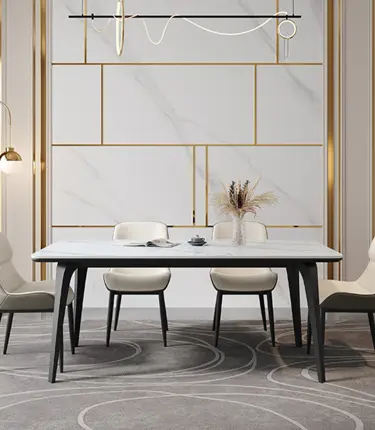
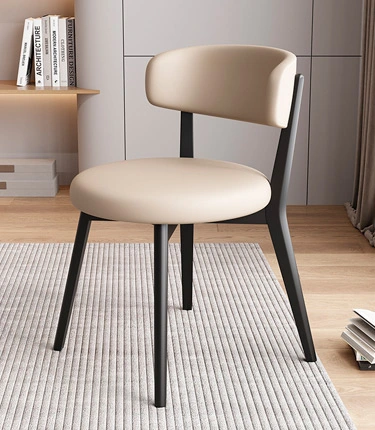
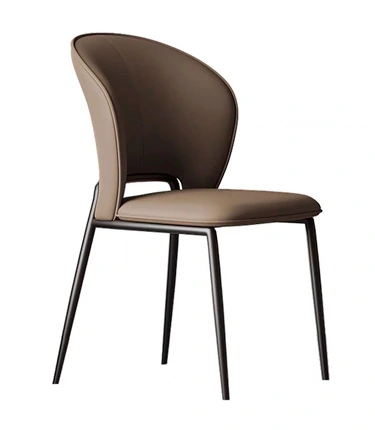
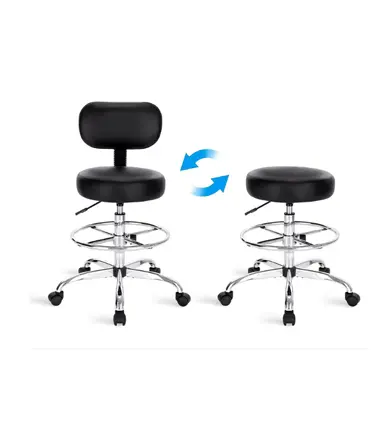
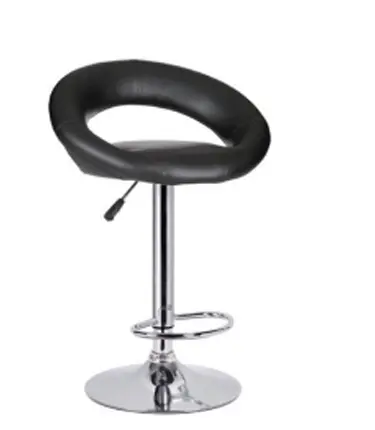
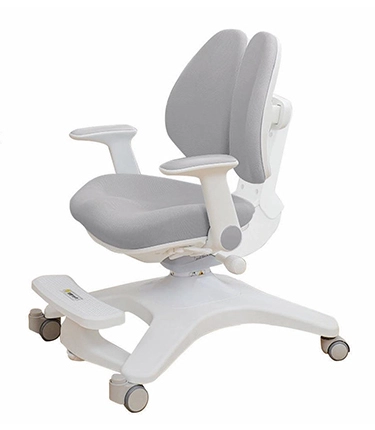
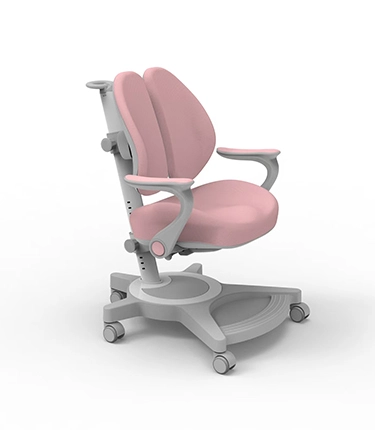
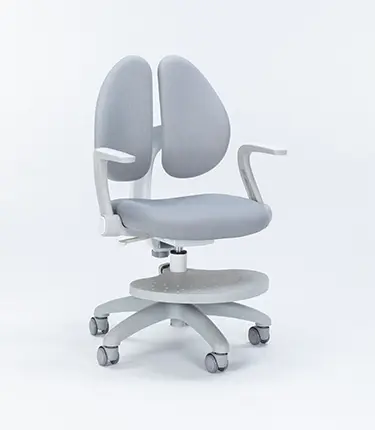
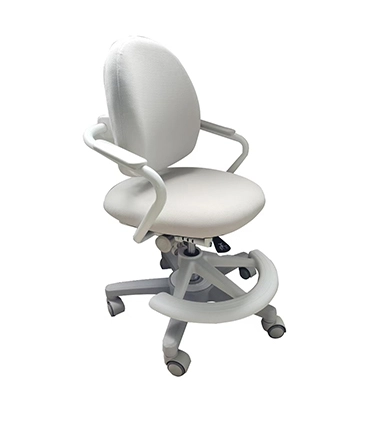


With the average daily sedentary time exceeding eight hours, more than 65% of users experience varying levels of lumbar discomfort. Lumbar support is therefore a defining feature of any high-quality ergonomic chair. Different lumbar support versions are designed based on ergonomic principles to accommodate diverse body shapes, sitting habits, and usage scenarios. The following is a comprehensive analysis of mainstream lumbar support technologies in ergonomic chairs, helping you choose the right “guardian of your waist”.
Dynamic adaptive lumbar support in ergonomic chairs continuously follows posture changes to ensure the spine remains fully supported. Using linkage mechanisms or intelligent sensors, this lumbar support keeps consistent contact with the lumbar curve, preventing the waist from being suspended during posture transitions.
Key technical features include connecting rod systems or sensor-assisted modules that capture multiple posture changes per hour. The support strength and position adjust dynamically, achieving the concept of “the chair moves with the person”.
Representative ergonomic chairs:
Qingxian LiberNovo: Dynamic ergonomic chair with holographic connecting rods, adaptive push rod, and deep spinal stretching function.
Xia Cao Mu Fit2: ZeroG 2.0 dynamic lumbar support, three-zone floating wings, and six-zone S-Flex pressure distribution system, improving lumbar fit by 94%.
Baoyou Pofit 2nd Generation: Multi-dimensional lumbar pillow adjustment for full spine coverage from lumbar vertebrae to sacrum, stable even at 142° recline.
Target audience: Programmers, designers, e-sports players, and heavy long-sitters needing dynamic lumbar support throughout the day.
Lumbar–sacral coordinated support in ergonomic chairs extends protection to the sacrum, distributing weight more evenly across the spine. This lumbar support version surpasses single-point designs by providing dual-zone support, reducing concentrated pressure on the lumbar area.
Technical highlights include dual-support structures or zoned designs that maintain both lumbar and sacral stability, fitting the natural S-curve of the spine.
Representative ergonomic chairs:
Herman Miller Aeron 3: PostureFit SL sacral support with eight-zone tension mesh and a forward tilt suitable for desk work.
BaoYou Jinhao E2 Pro: 12-zone mesh pressure distribution with synchronized lumbar and cervical support.
AUTOFULL E3 Pro: Three-zone adaptive lumbar tracking enhances waist wrapping for short- to medium-term sitting.
Target audience: Users with lumbar strain, lumbar discomfort, or those needing long-term upright posture support.
Intelligent adjustable lumbar support integrates sensors and electric modules to proactively protect the lumbar spine in ergonomic chairs. This lumbar support monitors posture in real time and automatically adjusts angle and tension. Some models also include massage systems to provide relaxation alongside spinal protection.
Representative ergonomic chairs:
Black and White X7: Waist-tracking sensors, 8D bionic massage, and dual-core kneading for SPA-level lumbar support.
Xihao Doro C300 II: Separate waist and back support, cloud-elastic mesh, one-click reclining, and adjustable headrest for neck and lumbar comfort.
Target audience: Young office workers, users prone to lower back pain, and multi-scenario users who require intelligent lumbar support and comfort.
Basic fit lumbar support in ergonomic chairs focuses on practical spinal protection for entry-level users. Features include suspended lumbar pads, adjustable lumbar pillows, and elastic mesh fabric, combined with basic seat height and depth adjustments.
Representative ergonomic chairs:
NetEase You Select Xiaoman Yao S9 Pro: Suspended lumbar support, adjustable seat cushion, 4D armrests, and height-adjustable headrest.
Yongyi Walker PRO: Self-adaptive lumbar support, TUV-certified gas spring, and fully adjustable headrest, armrests, and seat depth.
Henglin Xuanxing X2: Breathable mesh, high-elastic sponge cushion, and linked reclining armrests for commercial-grade durability.
Target audience: Students, renters, budget-conscious office workers, and light-to-moderate sedentary users sitting 4–6 hours daily.
Japanese-style lumbar support in ergonomic chairs is optimized for Asian skeletal proportions, with flexible dual-structure backrests, multi-density materials, and adaptable seat cushions. This lumbar support version emphasizes comfort, detailed adaptation, and long-term usability.
Representative ergonomic chairs:
Okamura Sylphy series: Body-curve adaptive support, dual-structure backrest, 3D armrests, and multi-stage reclining adjustment.
Target users: Home office workers, Asian-body-type users, and families requiring long-term ergonomic seating.
Professional Guidance for Ergonomic Chair Selection
While we do not manufacture ergonomic chairs, our company provides expert advice, selection guidance, and support for customers seeking suitable office and home furniture solutions. Our focus is responsive service, flexible coordination, and long-term partnership to enhance comfort, productivity, and user experience.