English
  日本語
日本語  한국어
한국어  français
  Deutsch
  italiano
  русский
  português
  العربية
  Gaeilge
 Address
PORT INDUSTRIAL ZONE,TIANHUANGPING TOWN, ANJI COUNTY,ZHEJIANG PROVINCE,CHINA
Sep 17, 2025
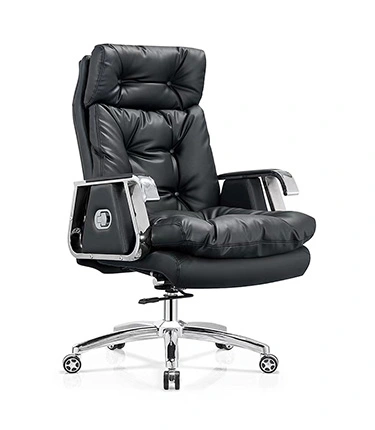
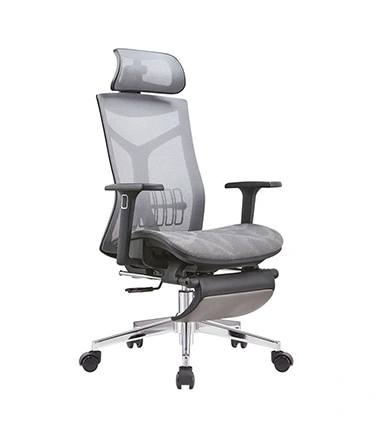
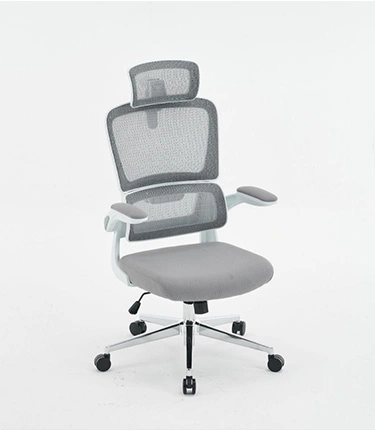
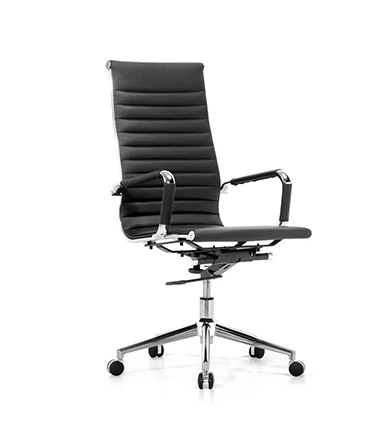
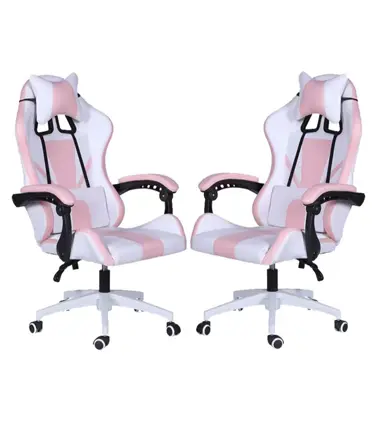
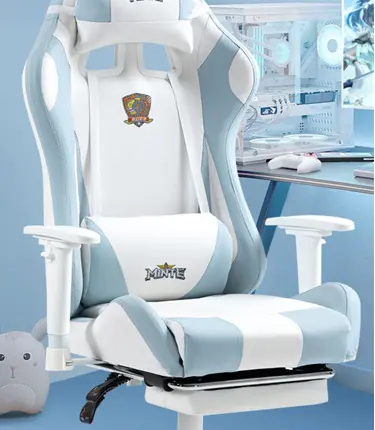

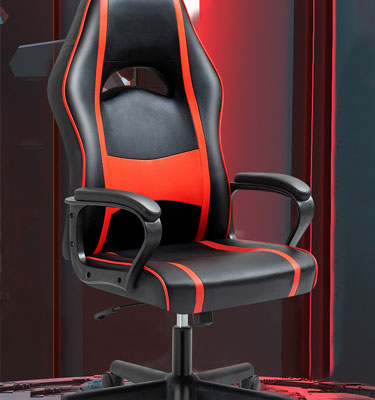


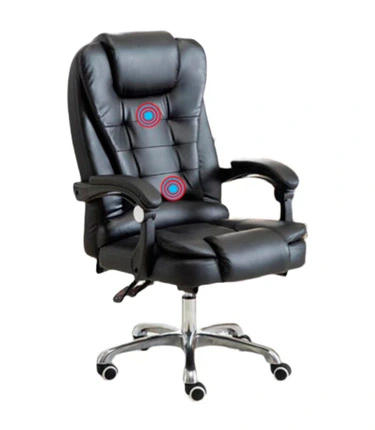
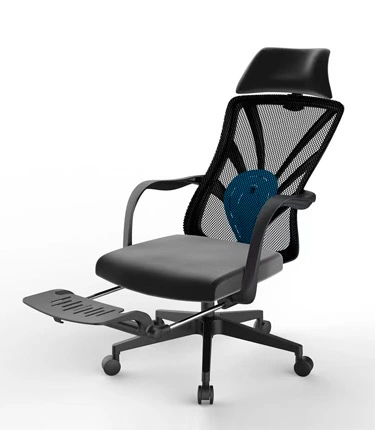
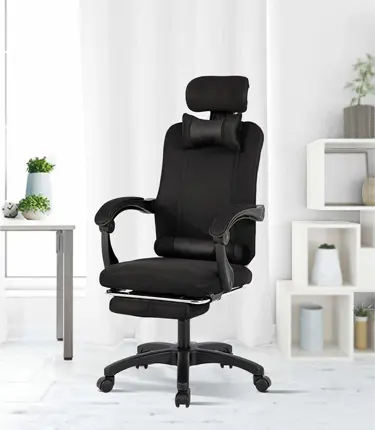
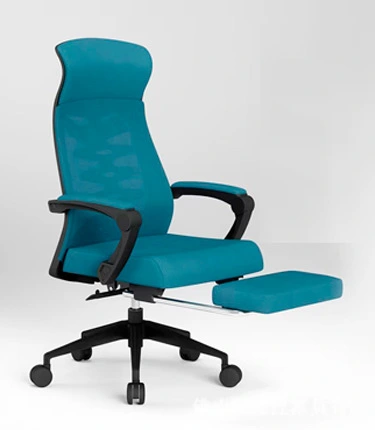
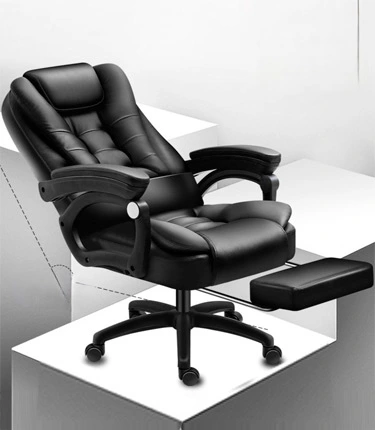
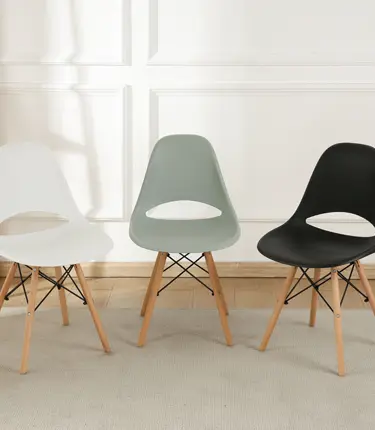
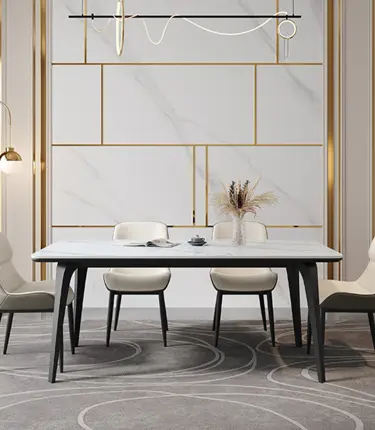
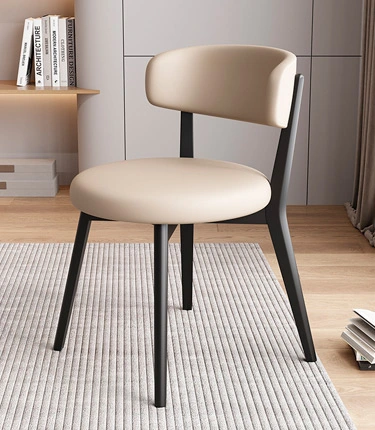
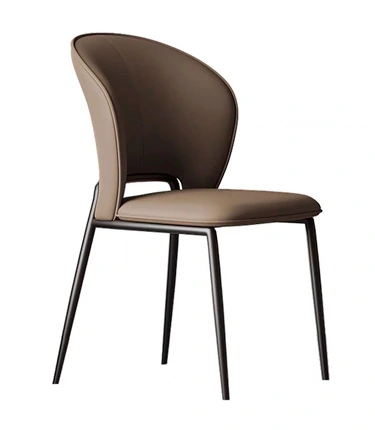
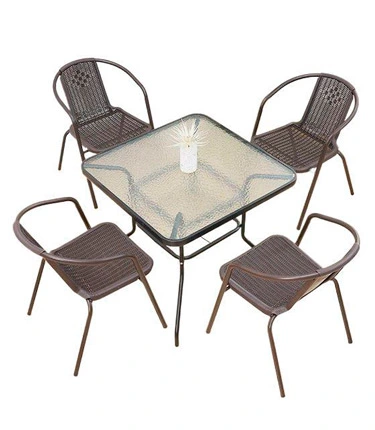
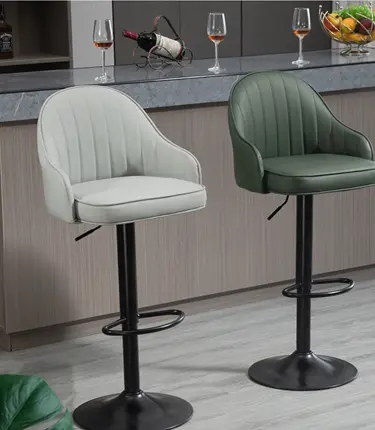
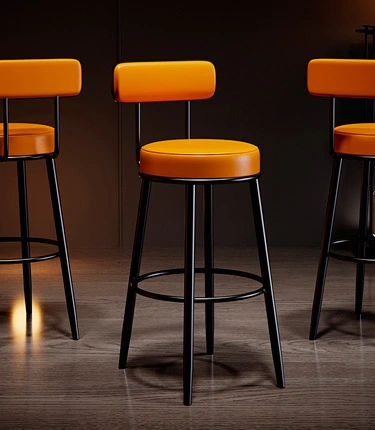
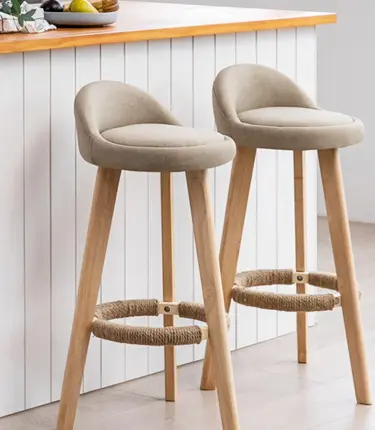
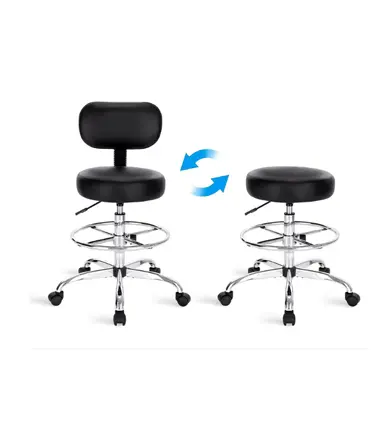
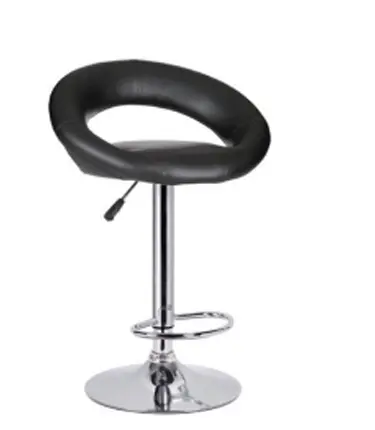
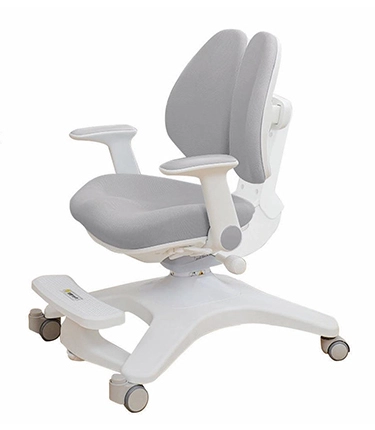
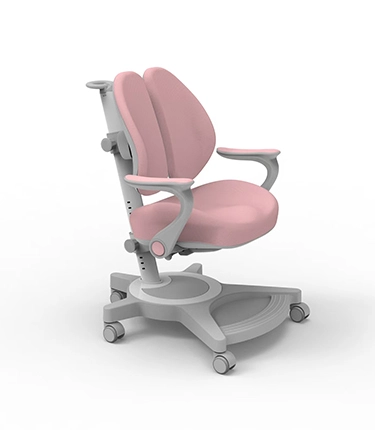
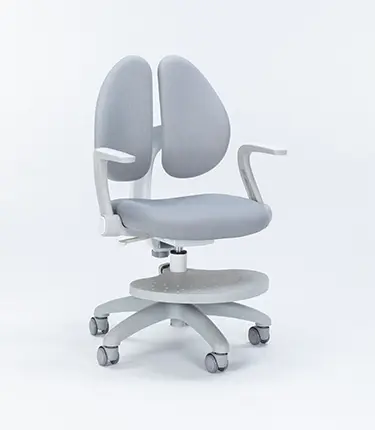
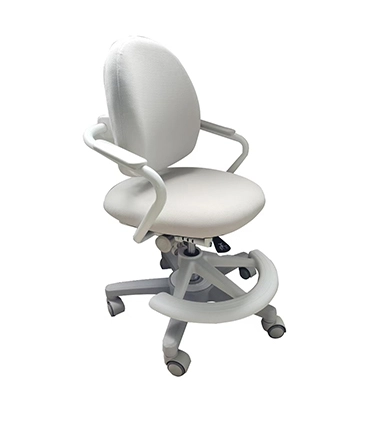

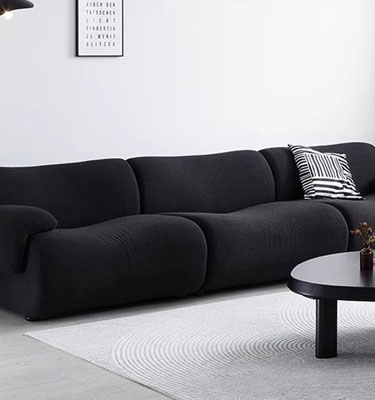
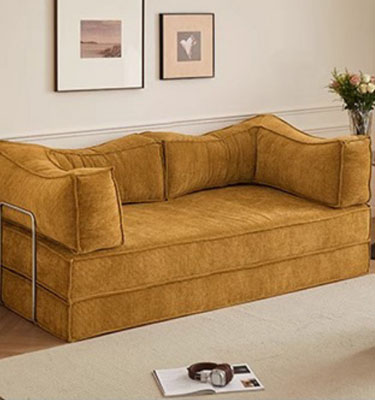
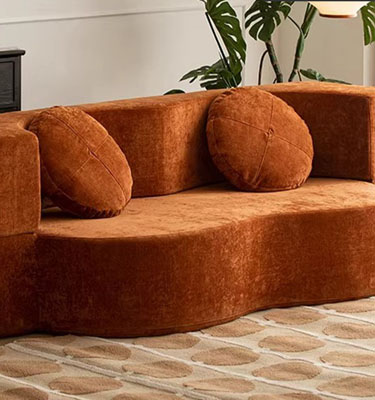

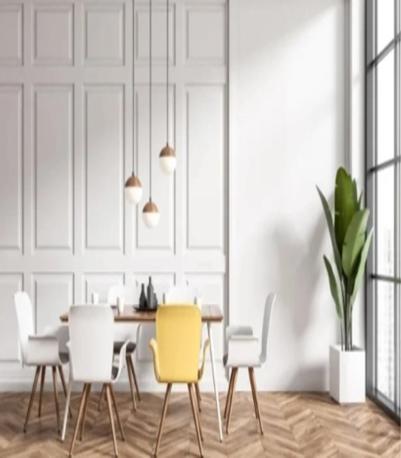
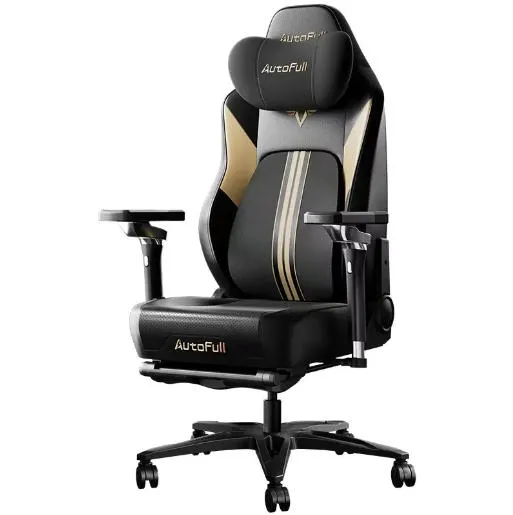
As one of the strongest furniture hubs in South China, Guangzhou has developed a mature chair manufacturing ecosystem supported by the Pearl River Delta industrial chain, international trade advantages, and strong market demand. The region—represented by Longjiang, Shunde, and Huadu—has gathered upstream raw materials suppliers, design studios, chair manufacturers, and export logistics providers, forming a complete ecosystem that drives the global competitiveness of Guangzhou dining chair factories.
Before analyzing the competition and future trends, it is essential to understand why Guangzhou dining chair factories—widely recognized among China’s key bases for plastic dining chairs manufacturers—have become one of the country’s most representative chair manufacturing clusters. Decades of industrial accumulation, supply chain completeness, and continuous innovation have created an ecosystem that supports both large enterprises and agile small factories.
One of Guangzhou’s greatest strengths lies in its vertically integrated supply chain for dining chairs. With thousands of material suppliers—ranging from wood processing to hardware parts and coatings—located within driving distance, factories can acquire components within 1–3 days and reduce logistics costs significantly.
Leading enterprises such as Sanlang Furniture operate their own hardware, solid wood, and bent-wood production lines, ensuring full control from chair design to finished delivery. This integration reduces unit manufacturing costs by more than 20% and significantly improves production stability.
The Guangzhou dining chair factory cluster has shifted from traditional OEM to innovation-driven development. Technologies such as 3D wood bending, seamless welding, automated spraying, and CNC machining are now widespread.
Modern equipment—Italian BAGGI CNC centers, 150-ton presses, and laser-cutting machines—allows chair factories to achieve high precision and cut custom chair delivery cycles from 45 days to as short as 18 days. These advancements enable factories to offer sophisticated dining chairs that meet both commercial and residential needs.
Guangzhou dining chair factories serve both the domestic upgrading market and international demand.
In China, dining chairs with ergonomic design, eco-friendly materials, and mid-to-high-end craftsmanship are increasingly favored by families, chain restaurants, and public institutions.
Globally, Guangzhou dining chairs are exported to over 180 countries, supported by ISO9001 and BIFMA certifications, cross-border e-commerce channels, and overseas branches that improve local service and design adaptation.
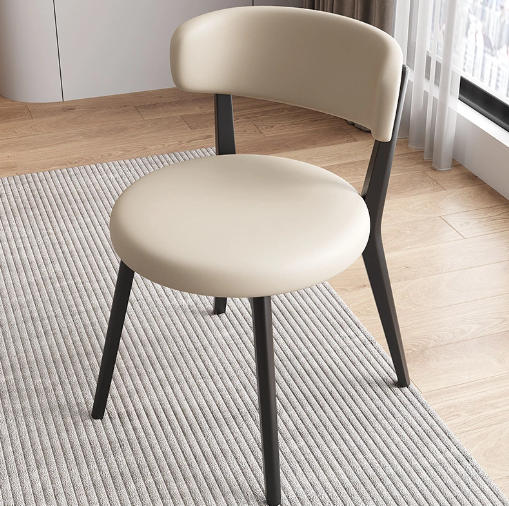
Despite strong foundations, Guangzhou dining chair factories face pressure from rising costs, brand limitations, and tightening environmental policies.
The costs of rubber wood, eco-friendly coatings, land, and labor have increased significantly. Small- and medium-sized chair factories often see gross profit drop below 15%.
Additionally, potential tariff changes in key export markets may push costs higher, making price competition even more intense.
Many small factories lack R&D capacity and still rely on imitation, resulting in similar chairs design and recurring price wars.
While leading brands have strong production capacity, their global brand influence still lags behind international competitors, limiting their premium pricing ability.
Green production has become mandatory rather than optional.
Factories must invest heavily in exhaust purification, wastewater treatment, and VOC reduction to meet China’s new green product standards, as well as global regulations like REACH and CBAM.
For dining chair exporters, compliance costs continue to increase.
The Guangzhou dining chair factory cluster is now characterized by “leaders becoming stronger, SMEs becoming more specialized.”
Large-scale enterprises, including leading dining chair exporter brands, dominate with broad scenario coverage—from dining and commercial spaces to offices and schools. Their chair products maintain gross margins above 28%, supported by patents, automation, and international design awards.
R&D investment and cooperation with institutions enable them to create specialized chairs, such as anti-graffiti models for schools and multifunctional chairs for corporate cafeterias.
To avoid direct competition, smaller factories specialize in:
anti-stain dining chairs for hot pot and fast-food chains
foldable and compact dining chairs for cross-border e-commerce
chairs designed for the elderly or children
These factories leverage customization and flexibility to maintain profitability.
With global competition intensifying, Guangzhou dining chair factories must embrace long-term transformation. Three major trends will define the next decade.
Automation rates in leading factories are expected to exceed 40% within three years. Digital twins, modular design, and flexible lines will shorten chair development cycles while increasing customization capability from 25% to 35%.
Eco-friendly materials—FSC-certified wood, bamboo composites, and water-based paint—will see wider adoption.
Green-certified dining chairs will gain higher market premiums as sustainability becomes a key purchasing criterion globally.
By 2025, online sales of dining chairs are expected to reach 31%, supported by livestreaming and social commerce.
Cross-border e-commerce will evolve into a model combining independent websites, overseas warehouses, and localized services.
Offline showrooms will also shift to immersive scenes showcasing dining space design with chairs as core components.
Guangzhou dining chair factories—supported by a strong chairs industrial cluster, technological upgrades, and dual-market strategies—remain central to China’s furniture manufacturing landscape. However, the industry must continue improving R&D capability, intelligent production, green compliance, and brand strength to remain competitive globally.
From “Guangzhou Manufacturing” to “Guangzhou Smart Manufacturing,” the dining chairs made here are steadily moving toward the mid-to-high end of the global value chain.
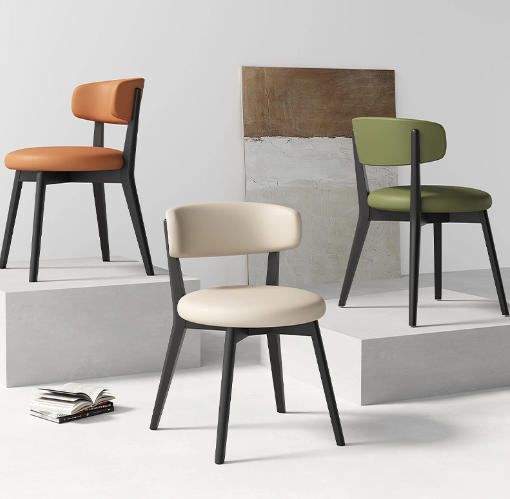
At Xinchi Chair Factory, we focus on B2B chair production—including dining chairs, office chairs, ergonomic chairs, and commercial seating solutions.
Our advantages include:
Independent production system with stable quality control
Professional OEM & ODM capability for global clients
Strong design team supporting trend-driven chairs development
Fast lead time supported by optimized production planning
Commitment to sustainable materials and safe manufacturing
With a complete manufacturing setup and deep industry experience, Xinchi provides reliable, high-quality chair products for wholesalers, brands, and project buyers worldwide.