English
  日本語
日本語  한국어
한국어  français
  Deutsch
  italiano
  русский
  português
  العربية
  Gaeilge
Address
PORT INDUSTRIAL ZONE,TIANHUANGPING TOWN, ANJI COUNTY,ZHEJIANG PROVINCE,CHINA
Oct 28, 2025
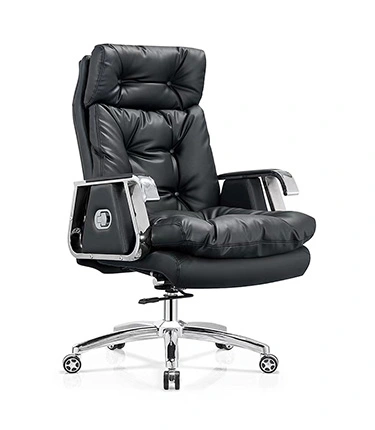
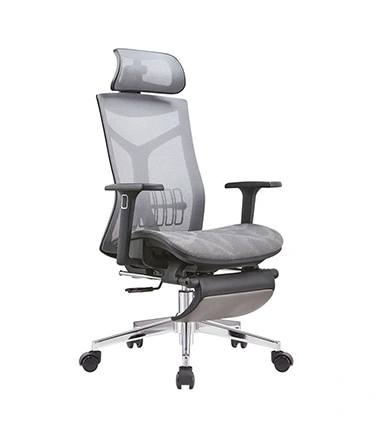
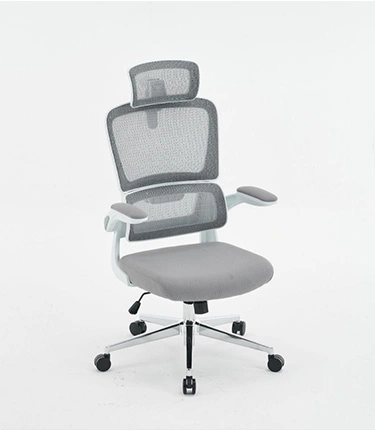
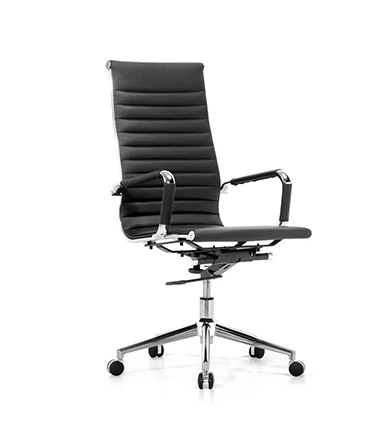
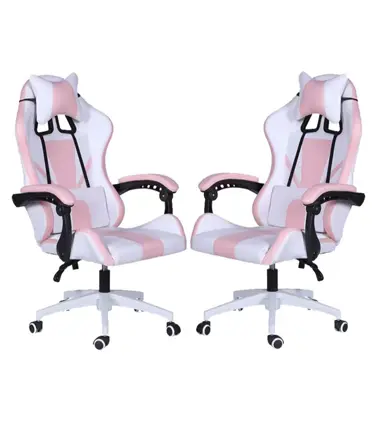
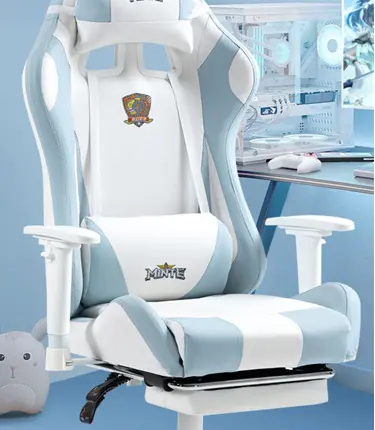
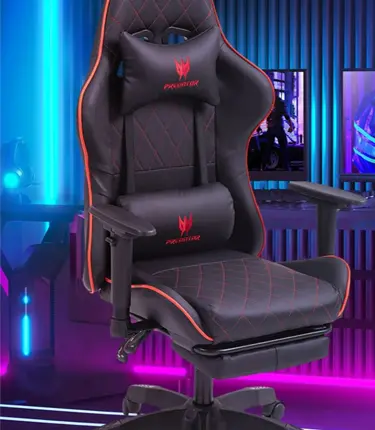
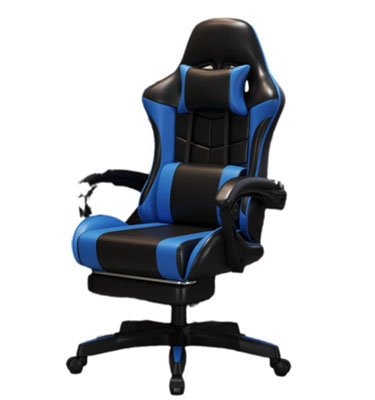
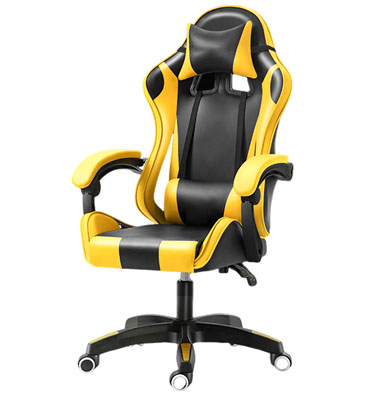
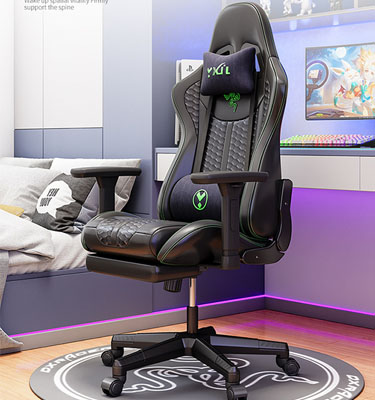

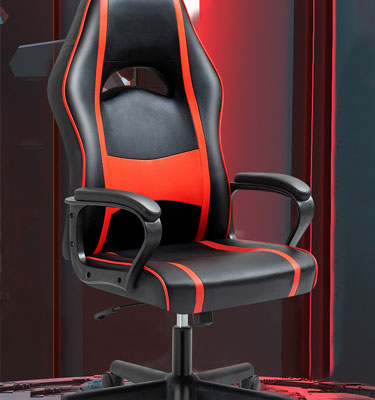


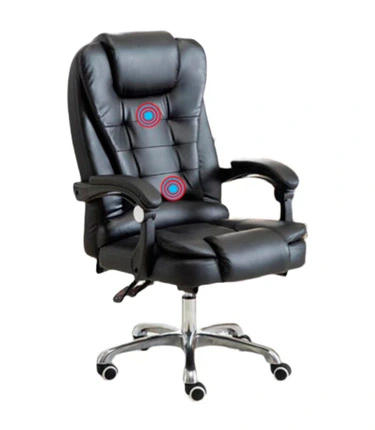
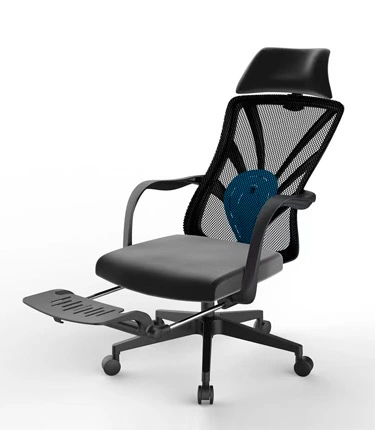
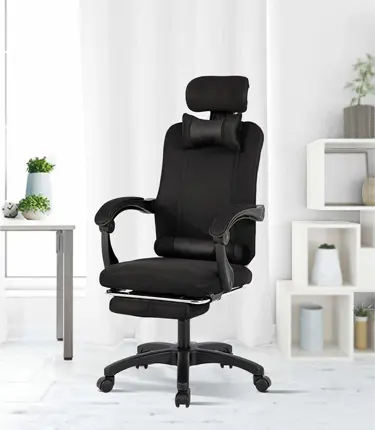
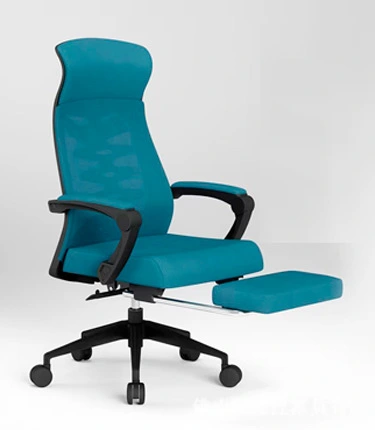
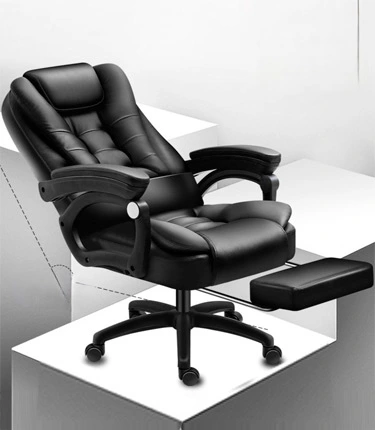

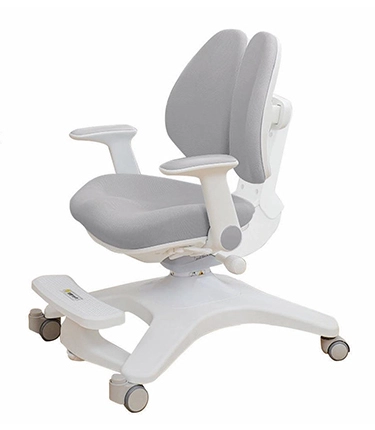
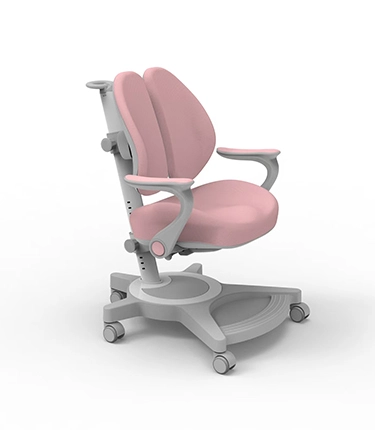
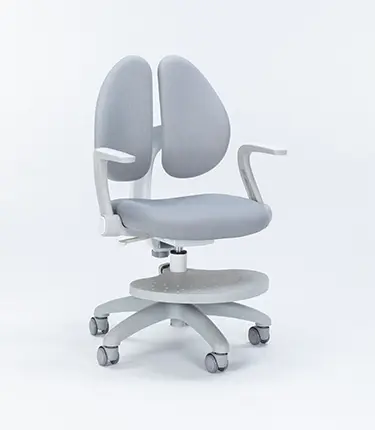
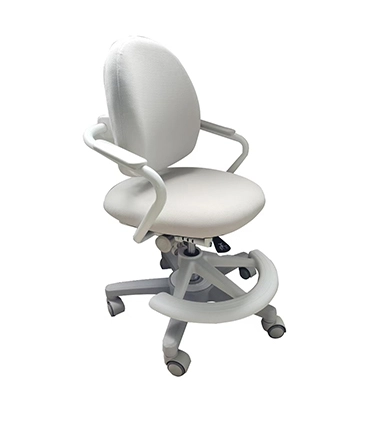


That once-cool chair, exclusive to hardcore gamers, is quietly evolving into a smart terminal that connects health, comfort, and technology.
From the exclusive domain of professional players to a standard feature for ordinary gamers, the gaming chair has completed its first round of popularization over the past decade. Now, this market worth billions of dollars is undergoing a silent revolution.
The global gaming chair market has reached a sales volume of 4.107 billion US dollars in 2024 and is expected to climb to 9.384 billion US dollars by 2031, with a compound annual growth rate of 12.5% during this period. Behind the rapid growth of the market lies a profound transformation of gaming chairs from single-function to diversified and intelligent.
The e-sports chair market has now left its wild growth period and entered a new stage of refined operation. In 2024, the global production of e-sports chairs reached 11.73 million units, with an average selling price of 350 US dollars per unit.
The Chinese market has performed particularly well. As one of the largest e-sports markets in the world, the scale of the e-sports chair market in China is expected to reach 30 billion yuan by 2025.
The consumer base is also expanding. From the age distribution, young people aged 18 to 35 are the main consumers, accounting for over 70%. Male consumers still dominate, but the female consumer group is growing rapidly, prompting companies to launch more products that meet the aesthetic and physical characteristics of women.
For a long time, users have been troubled by the issue of poor ventilation of gaming chairs - they are hot in summer and cold in winter. This problem is now being addressed through technological innovation.
At CES 2025, Razer showcased the concept product Project Arielle, which is the world's first gaming chair that integrates heating and cooling functions.
It adopts an innovative bladeless fan system, offering three adjustable wind speeds. In a dry environment, it can lower the perceived body temperature by 2℃ to 5℃. Additionally, its built-in PTC heater can provide up to 30℃ warm air, suitable for cold conditions.
Project Arielle is based on the highly praised Fujin Pro mesh gaming chair from Razer. It enhances the existing excellent breathability while adding a temperature control function, marking a significant shift from passive adaptation to active adjustment in gaming chairs.
In response to the global trend of sustainable development, manufacturers of gaming chairs have begun to innovate in terms of materials.
Environment-friendly materials are becoming a new trend in the industry. More and more enterprises are using degradable PU materials and recycled sponge to reduce their impact on the environment.
It is expected that by 2025, the market share of ergonomic gaming chairs made from eco-friendly materials will reach 25%.
In terms of supporting materials, lightweight and high-strength materials such as carbon fiber are used in the seat frame, which not only reduces the weight but also provides excellent support performance.
The C3 butterfly-style gaming chair, launched by AUTOFULL, features custom-made "black technology breathing leather" and is equipped with a 49,000+ micro-hole cooling structure, significantly enhancing air circulation efficiency.
The trend of intelligence in gaming chairs is becoming increasingly evident. These chairs are transforming from passive seats to intelligent terminals.
Health monitoring is the primary direction of intelligence. Some high-end gaming chairs have begun to integrate sensors to monitor real-time information such as users' heart rates and sitting postures, and promptly remind users to make adjustments to prevent health problems.
The intelligent adjustment function is also becoming increasingly widespread. Some products can automatically adjust the height and angle of the seat according to the user's sitting posture and body condition, providing personalized support.
Razer's Project AVA showcases a more futuristic possibility - this AI esports coach concept not only offers real-time game guidance, but also automatically adjusts game settings based on the hardware configuration of the player's computer.
As the application scenarios of gaming chairs expand, their design language is also undergoing significant changes.
Cross-border cooperation has become a new source of design inspiration. AUTOFULL collaborated with the Industrial Design College of China Academy of Art and launched the C3 Butterfly Wing gaming chair. It drew inspiration from the game "Spirits and Fire Will", extracting elements such as "butterfly wings" and "elegance".
The demand for personalized customization is on the rise. Young consumers expect products to reflect their personal style. Brands are offering customization services, allowing consumers to choose the color, material, pattern, etc. of the seats.
The design style has shifted from the bold and competitive style to a more minimalist one that can blend into the home environment, catering to the needs of various scenarios.
Ergonomic design has always been the core of gaming chairs. Various brands are now conducting deeper optimizations in this area.
The AUTOFULL C3 butterfly wing adopts an embedded ergonomic waist support. The integrated hidden structure, combined with the double S-curve pressure relief technology, precisely conforms to the human posterior waist curve, avoiding the drawbacks of traditional external waist supports that lack stability and are prone to displacement.
The adjustable functions have become increasingly sophisticated. 4D armrests and multi-angle reclining adjustment (such as the AUTOFULL C3 butterfly support with a range of 90° - 160° for continuous reclining) have become standard features for mid-to-high-end products.
These designs are intended to provide users who spend long periods sitting in front of the computer with more ergonomic support, reducing fatigue and potential health risks.

The future gaming chairs are no longer merely vehicles for playing games. They could be your health guardians, constantly monitoring your sitting posture and fatigue level through sensors; they could also be your gaming companions, providing you with real-time tactical advice like Razer Project AVA does.
A chair, bridging art and competition, balancing health and technology, serves as the interface leading to the convergence point between the virtual and the real.