English
  日本語
日本語  한국어
한국어  français
  Deutsch
  italiano
  русский
  português
  العربية
  Gaeilge
Address
PORT INDUSTRIAL ZONE,TIANHUANGPING TOWN, ANJI COUNTY,ZHEJIANG PROVINCE,CHINA
Feb 09, 2026
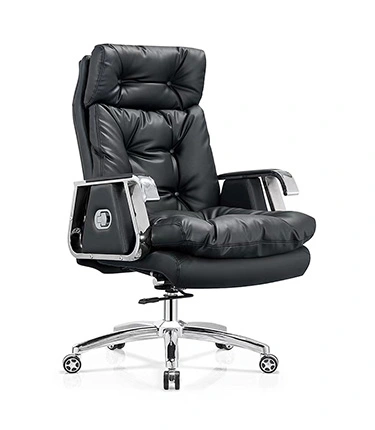
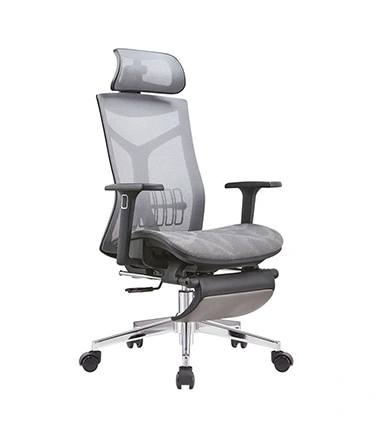
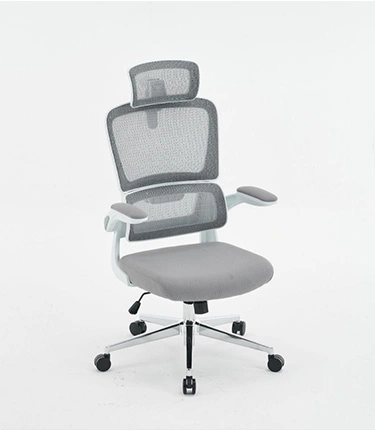
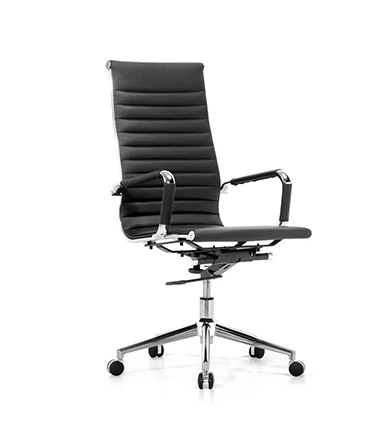
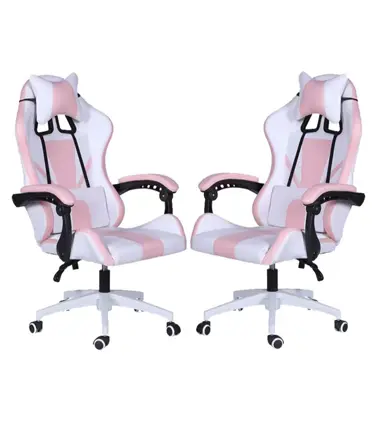
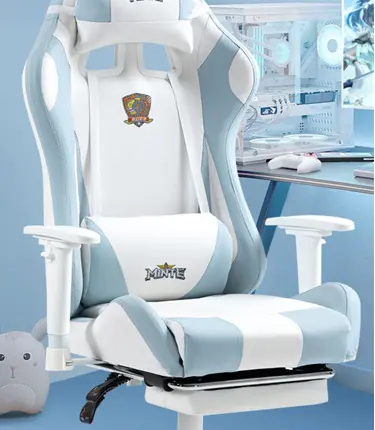
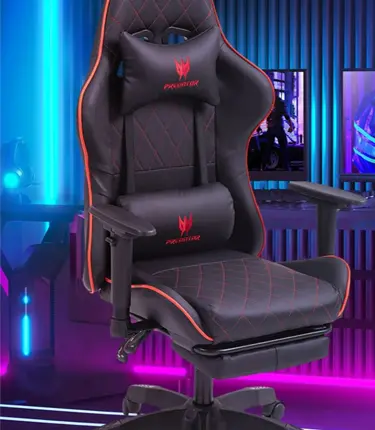
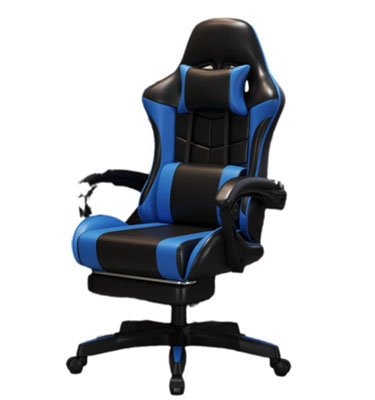
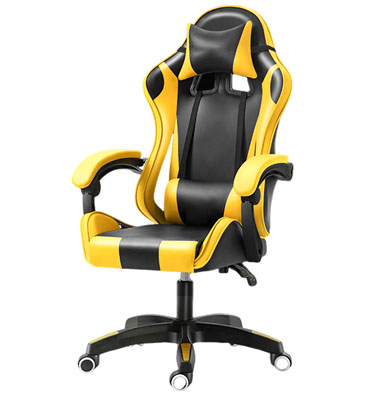
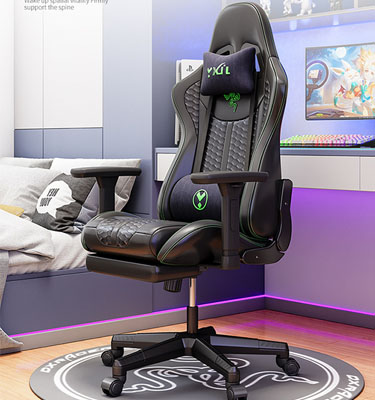

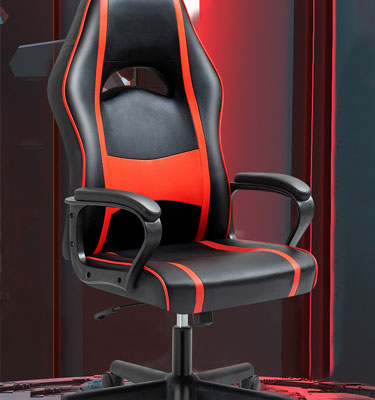


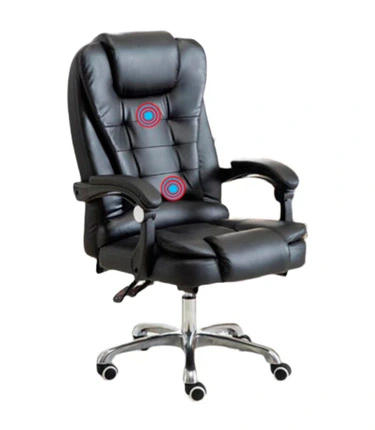
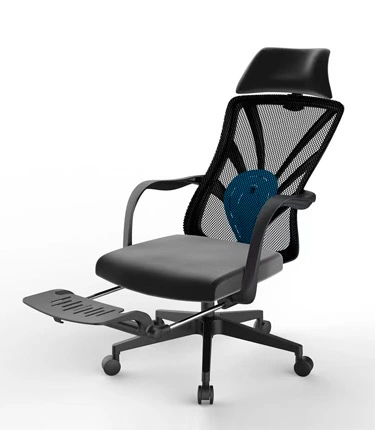
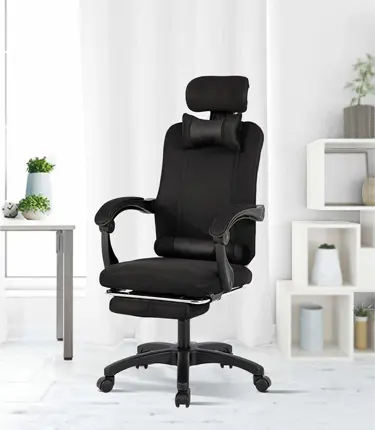
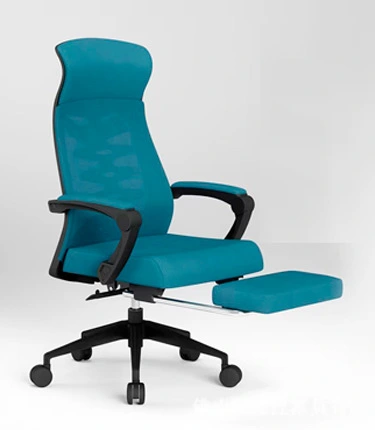
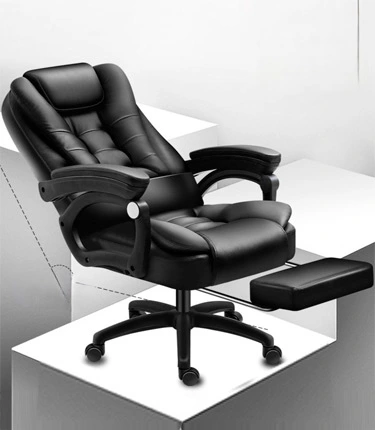
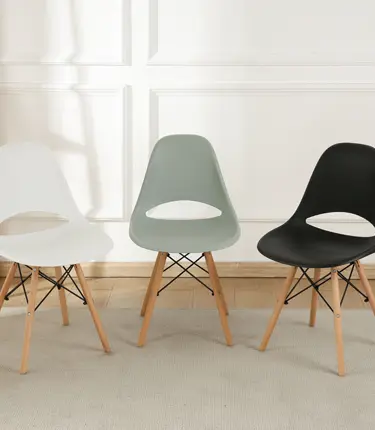
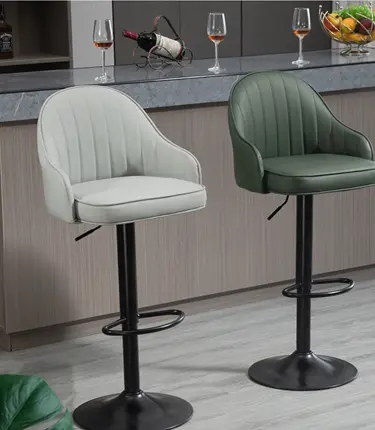

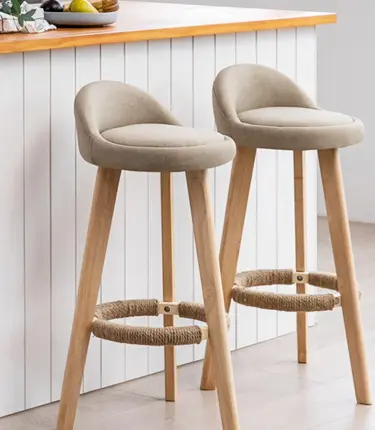
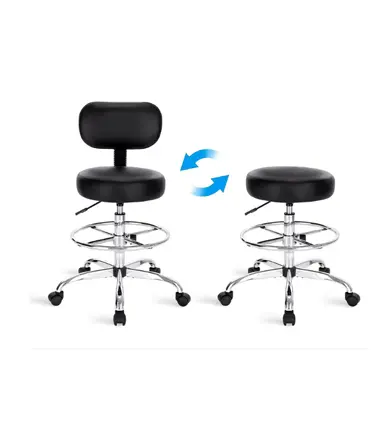
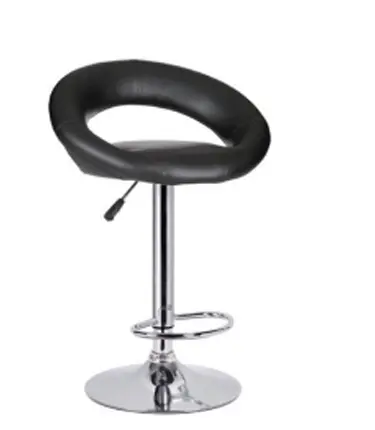
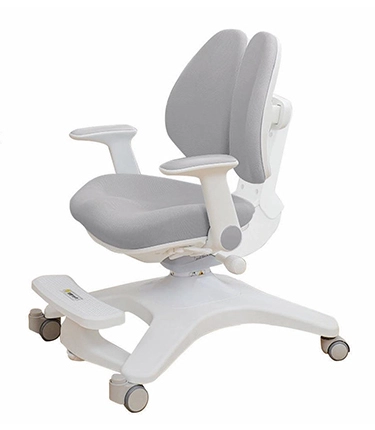
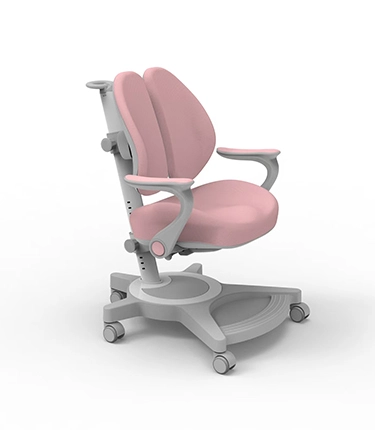
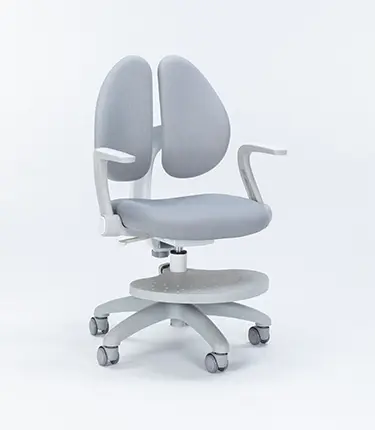
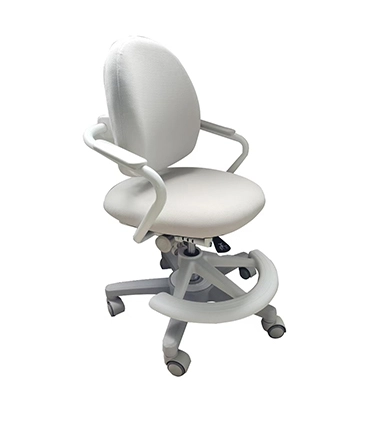
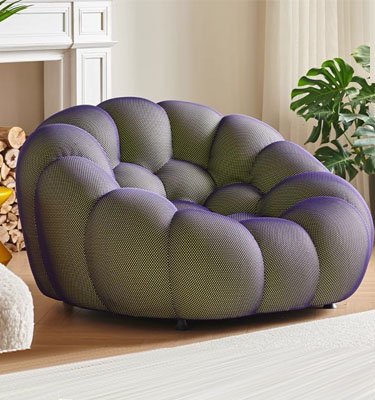
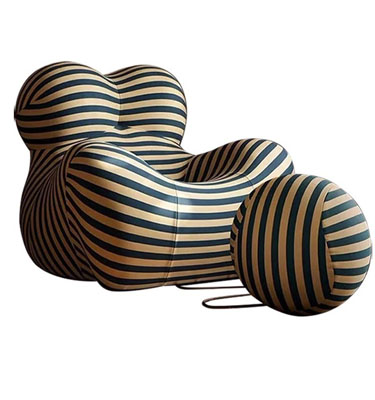
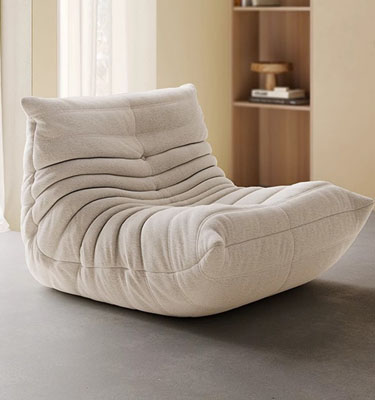
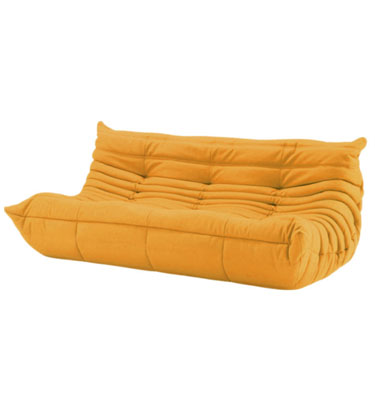


For every three swivel chairs in the world, one is produced in Anji, a small county in China. This town has become the heart of the China gaming chair manufacturing industry, driving e-sports chair exports and helping local brands enter the international market.

The global esports gaming chair market has witnessed rapid expansion. According to QYresearch, the market reached USD 4.107 billion in 2024, with sales volume of 11.73 million units and an average selling price of $350 per unit.
Looking ahead, the market is projected to grow to USD 9.384 billion by 2031, with a compound annual growth rate (CAGR) of 12.5% from 2025 to 2031.
Key growth drivers include:
The expansion of the esports ecosystem and content creation industry
The persistence of remote work and home office setups
Young consumers’ dual preference for functionality + aesthetics
Live streaming and social media are driving brand exposure
In short, the gaming chair market will see “increased demand, higher prices, and accelerated product differentiation” in the coming years.
The modern esports chair has evolved far beyond a simple seat. Unlike traditional office chairs, ergonomic gaming chairs prioritize comfort and health during long hours of sitting.
Typical features include:
Adjustable armrests, reclining backrests, and seat height control
Premium models with footrests, vibration modules, or built-in audio for immersive experiences
Durable materials such as PU leather, breathable fabrics, and memory foam for a balance of comfort and longevity
A fast-growing category is the height-adjustable gaming chair, designed with ergonomic mechanisms, lumbar support, and reclining functions to meet gamers’ unique needs.
Industry research highlights: “The life cycle of homogeneous products lasts only 3 to 6 months. Differentiated R&D is the only way to continuously capture market share.”
For example, leading manufacturers in Anji release five to six new gaming chair models per month while filing for invention and design patents.
As the largest esports chair manufacturing base, China—especially Anji—has built a complete supply chain covering design, R&D, production, testing, and marketing.
Anji currently hosts over 1,700 green home enterprises, with 60% being large-scale companies. This cluster enables manufacturers to quickly respond to international market trends.
At Xinchi Chair Factory, we analyze best-selling products by function, structure, and material. New chair designs undergo virtual market testing before small-batch trial sales. Only after proven market response do we scale up production.
The development of the global gaming chair industry is expected to follow three major trends:
Eco-friendly materials are becoming mainstream. From adhesives and coatings to panels and fabrics, low-formaldehyde and biodegradable options are now widely adopted. Green production extends across every part of the chair manufacturing process.
Digitalization is transforming production. In Anji factories, ATV logistics carts follow preset routes, automated inspection equipment ensures precision, and 3D warehouses boost efficiency several times over. Smart manufacturing will accelerate the intelligent gaming chair segment.
Chinese companies are moving from export-driven sales to building localized production networks worldwide. By diversifying production and strengthening supply chains, China gaming chair manufacturers are turning from exporters to global brands.
With booming esports, rising remote work, and young consumers’ pursuit of both ergonomics and aesthetics, the global gaming chair market is entering a phase of high growth and specialization. China’s Anji manufacturers, led by companies like Xinchi, are not only the backbone of the global supply chain but also emerging as world-class gaming chair brands.
For businesses and gamers alike, investing in a high-quality ergonomic gaming chair means better comfort, better health, and better performance.