English
  日本語
日本語  한국어
한국어  français
  Deutsch
  italiano
  русский
  português
  العربية
  Gaeilge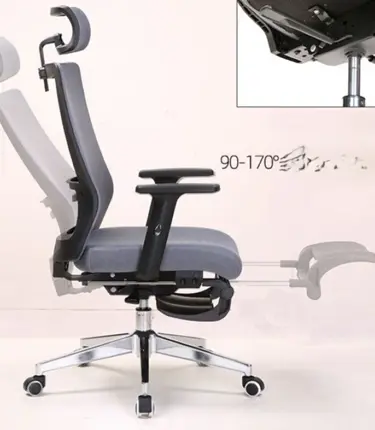
Address
PORT INDUSTRIAL ZONE,TIANHUANGPING TOWN, ANJI COUNTY,ZHEJIANG PROVINCE,CHINA
Feb 13, 2026
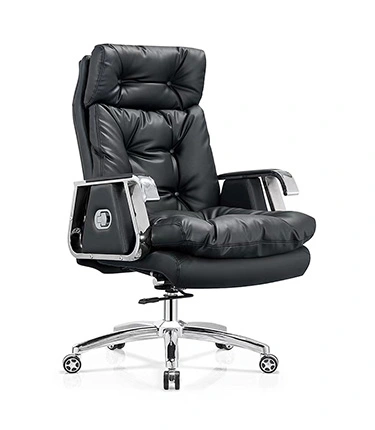
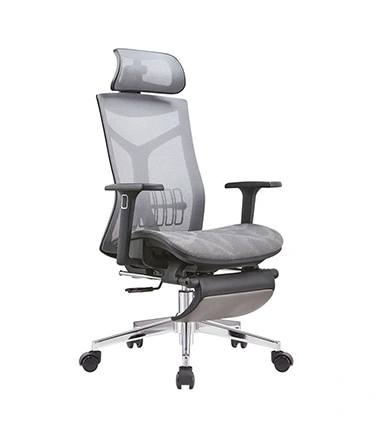
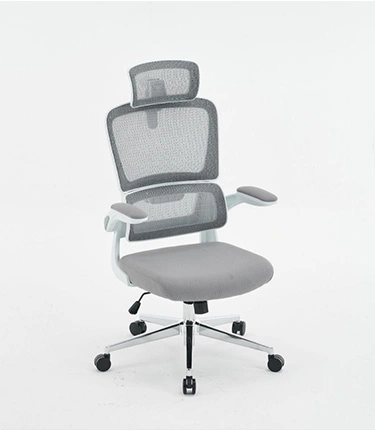
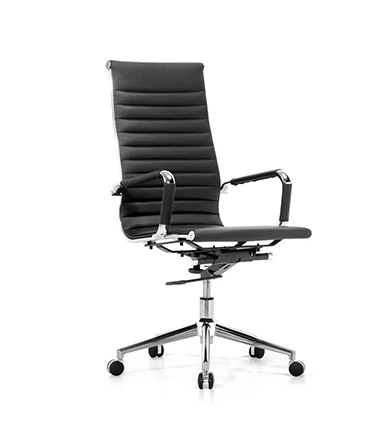
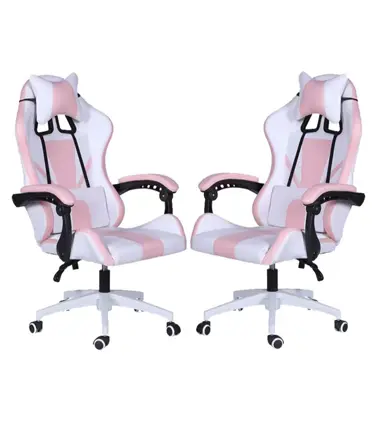
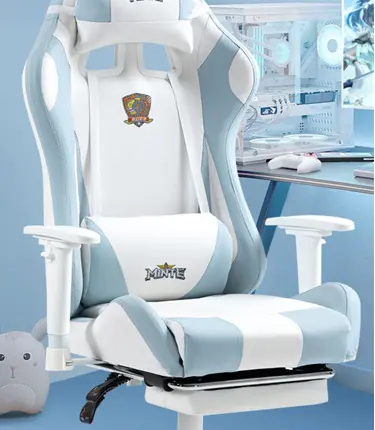
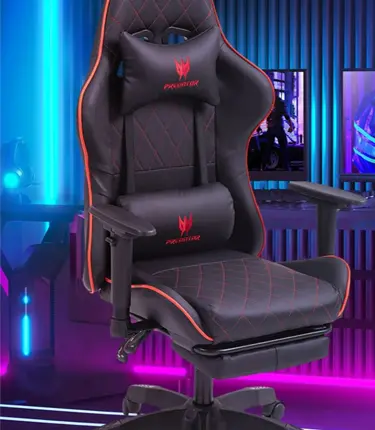
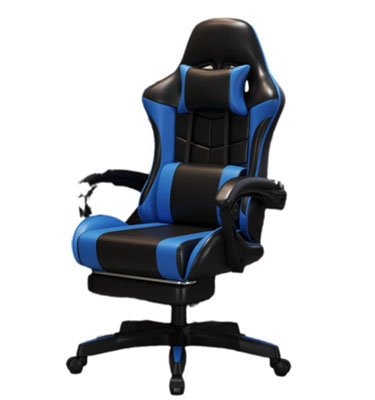
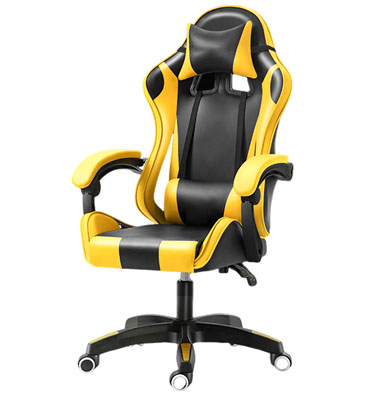
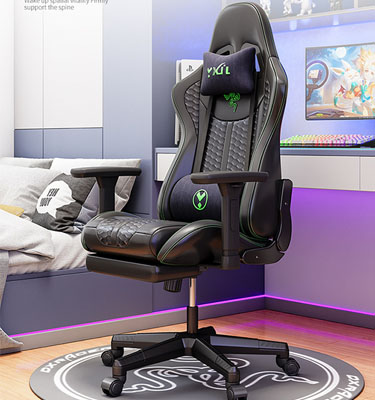

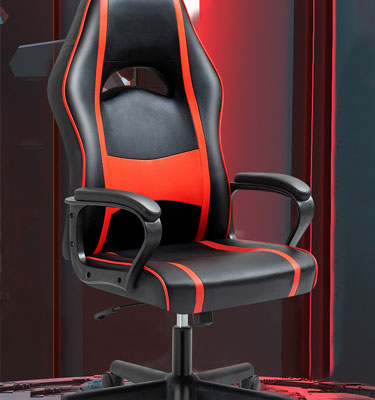


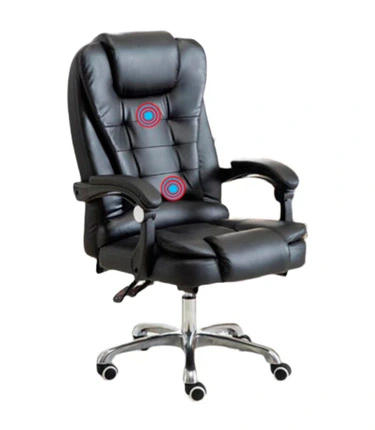
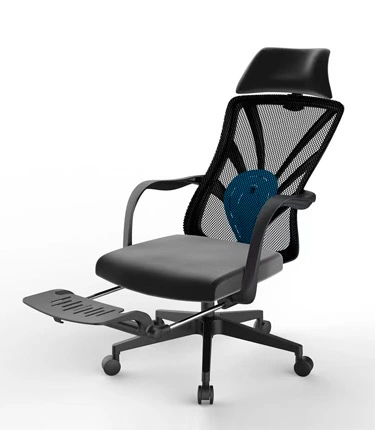
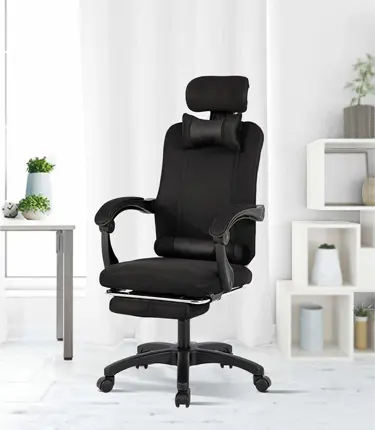
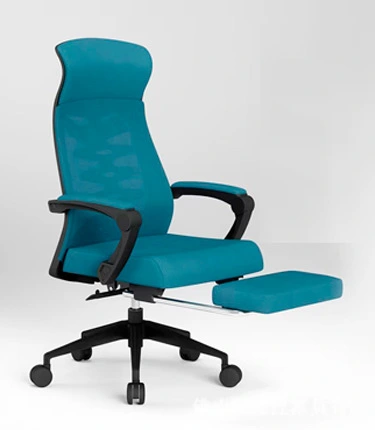
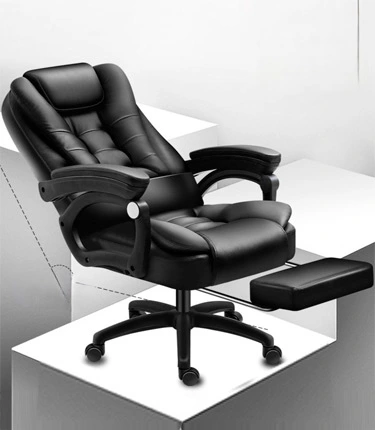
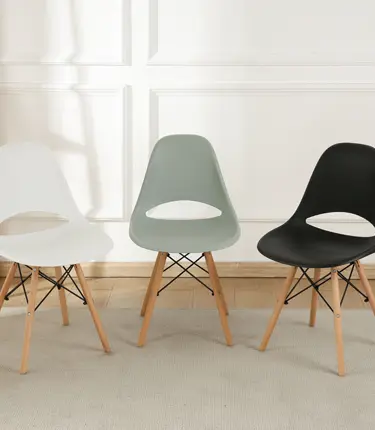
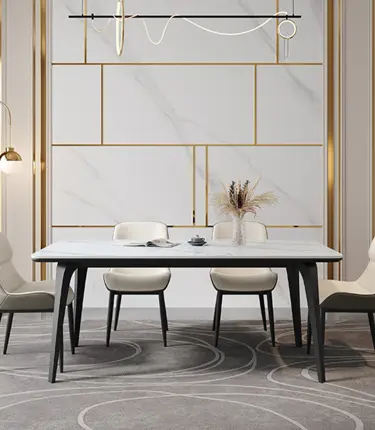
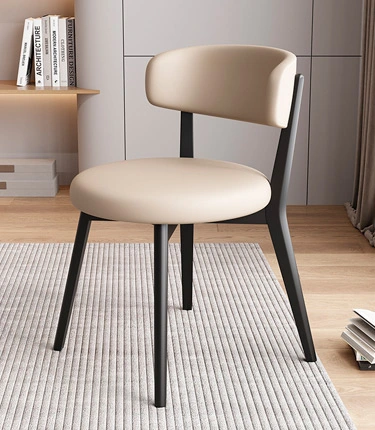
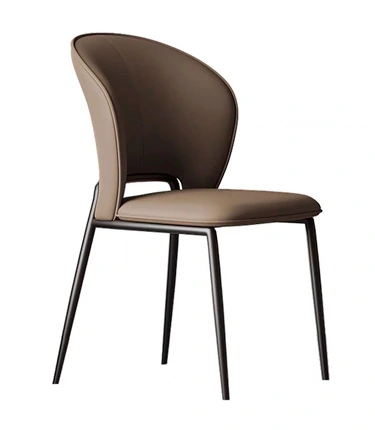
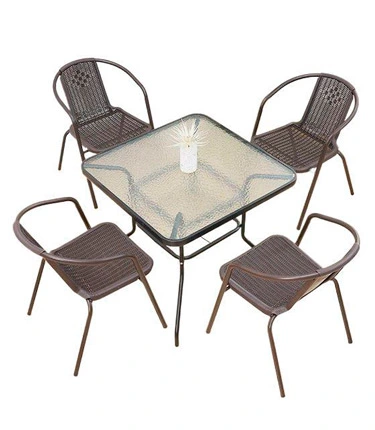
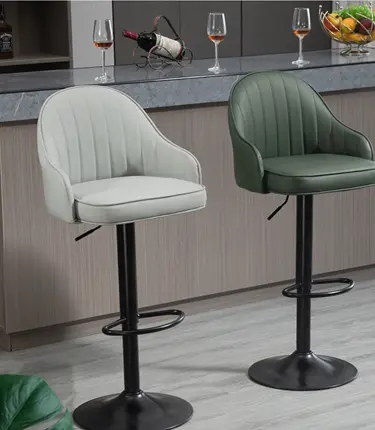

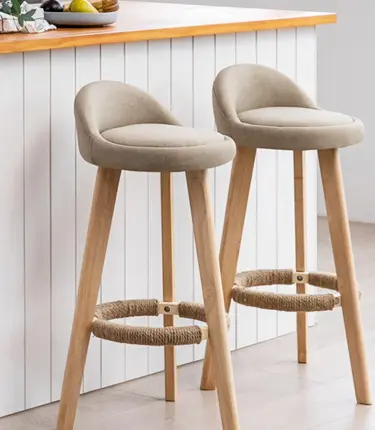
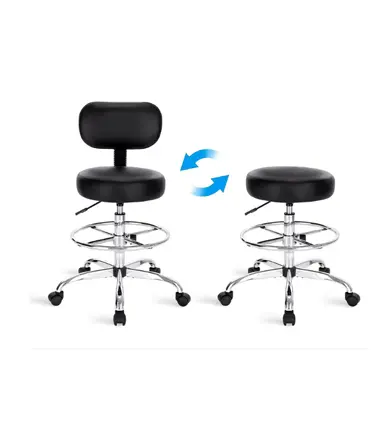
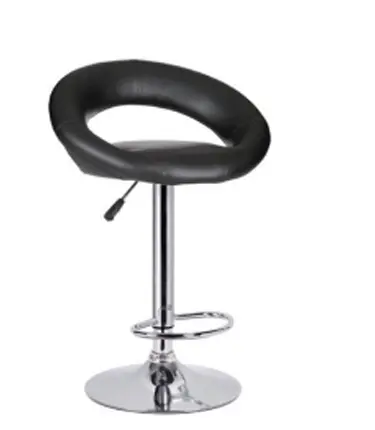
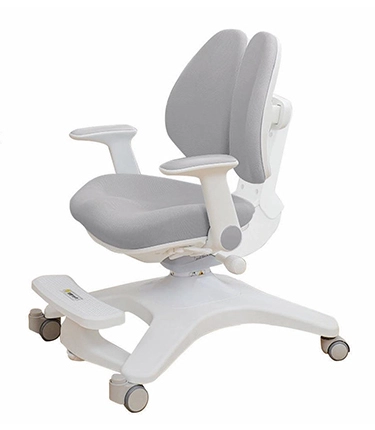
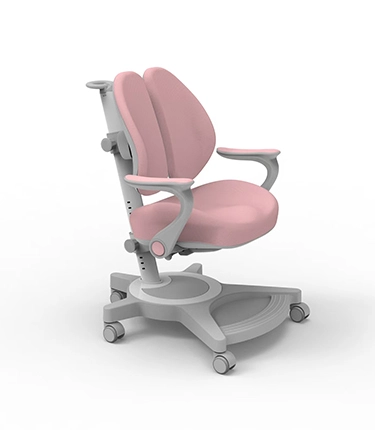
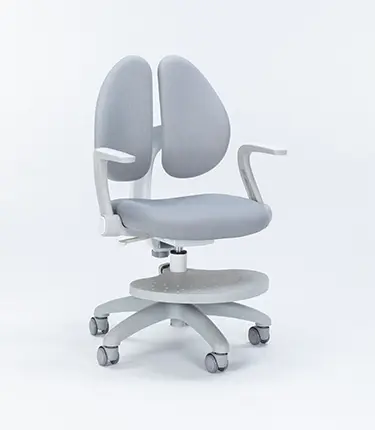
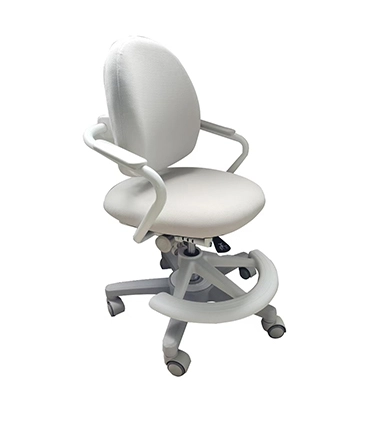



As a programmer, I’ve spent years sitting in an office chair for long hours—coding, debugging, and sometimes gaming after work. Over time, the usual problems showed up: lower back pain, a stiff neck, and that constant need to adjust my position. I tried a few different office chair models, including mesh and “ergonomic” ones, but none really solved the issue. Eventually, I decided to switch to a gaming chair to see if it would actually make a difference.
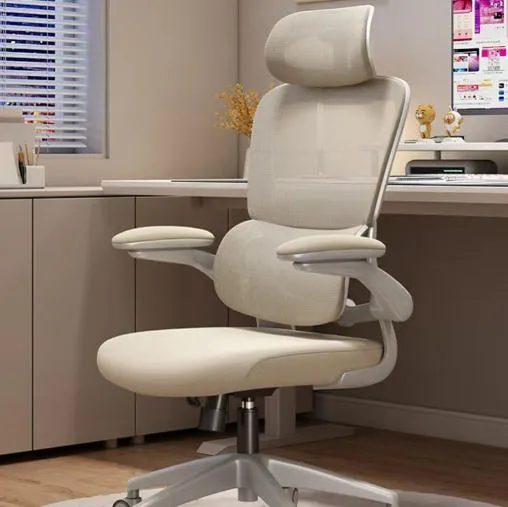
Most office chair designs are fine for general use, but they start to struggle when you’re sitting 8–10 hours a day. The biggest issue for me was lumbar support. It was fixed and didn’t match my posture, so after a full day, my lower back felt tired and compressed.
The seat was another weak point. Mesh is breathable, but it doesn’t provide much cushioning. After a few hours, the discomfort becomes noticeable. Additionally, the limited adjustability made it difficult to align the chair with my desk and typing position.
When choosing a gaming chair, I wasn’t focused on appearance. What mattered was whether it could actually handle long sitting sessions.
Adjustability was the key. A good gaming chair should allow you to adjust the lumbar support, armrest height, angle, and reclining position, depending on your sitting position. This kind of flexibility is something many standard office chair models don’t offer.
Build quality also matters. A solid frame, supportive foam, and stable base make a difference over time. A chair might feel fine at the beginning, but if it loses support after a few months, it won’t work for daily use.
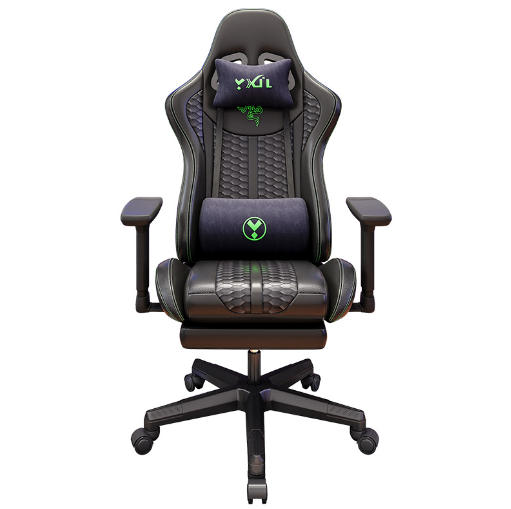
After a few months with a gaming chair, the difference is quite clear. The most noticeable improvement is in back support. With adjustable lumbar support, long coding sessions feel more manageable, and I don’t feel the same strain when I stand up.
The armrests are another practical upgrade. Being able to adjust them properly makes typing more natural and reduces pressure on the shoulders.
The reclining function is also useful. It’s not something I use constantly, but during short breaks, it helps relax without leaving the desk.
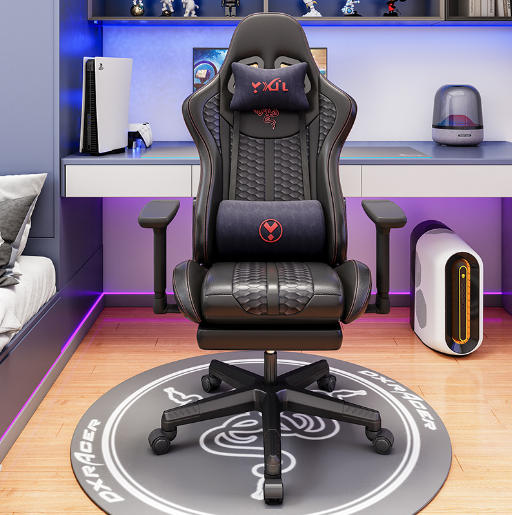
From my experience, a standard office chair works for short or moderate use. But for people who spend most of the day sitting, a gaming chair usually offers better support and flexibility.
That said, not all gaming chairs are the same. Some focus too much on appearance and ignore ergonomics, so it’s still important to choose carefully based on actual features rather than design alone.
Switching from an office chair to a gaming chair isn’t an instant fix, but it does improve comfort over time. For programmers or anyone working long hours at a desk, a well-designed gaming chair can make daily work more manageable.
Whether it’s an office chair or a gaming chair, long-term comfort depends not only on design but also on manufacturing quality.
Xinchi Chair Factory focuses on producing a wide range of seating solutions, including ergonomic office chairs, gaming chairs, and other indoor chairs. With attention to structure, materials, and real user experience, Xinchi aims to deliver products that balance comfort, durability, and practical use.
For B2B buyers, stable quality, reliable production, and flexible customization are essential—and Xinchi continues to support partners with consistent supply and practical product solutions.