English
  日本語
日本語  한국어
한국어  français
  Deutsch
  italiano
  русский
  português
  العربية
  Gaeilge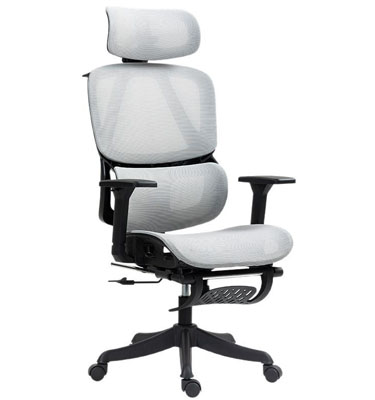

Address
PORT INDUSTRIAL ZONE,TIANHUANGPING TOWN, ANJI COUNTY,ZHEJIANG PROVINCE,CHINA
Mar 04, 2026
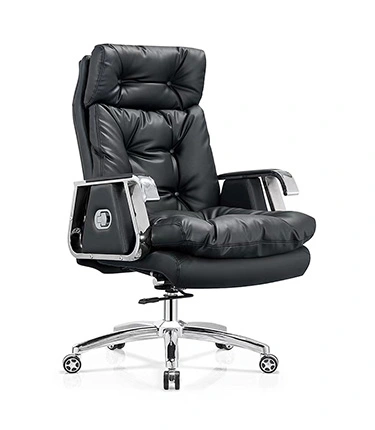
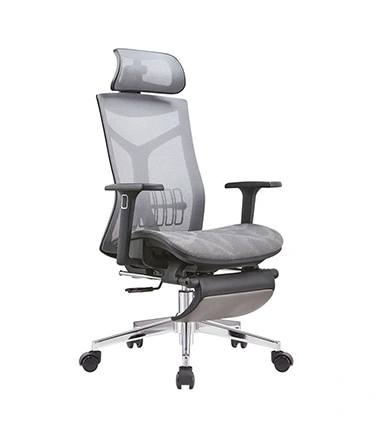
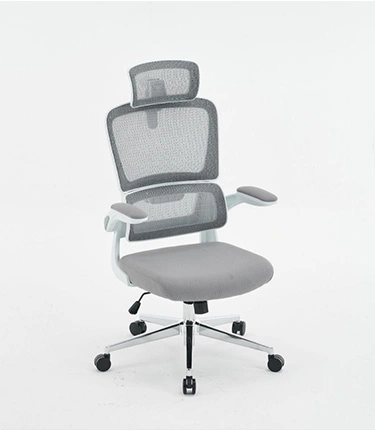
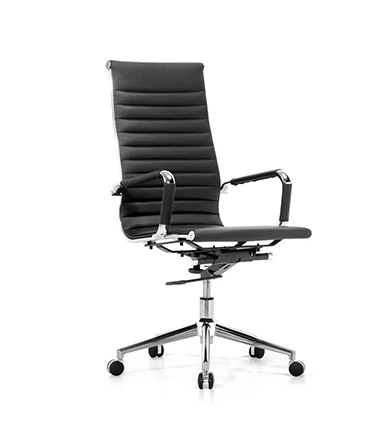
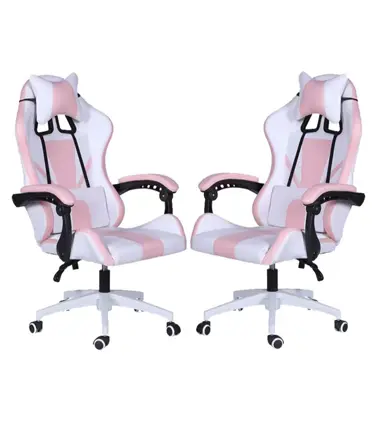
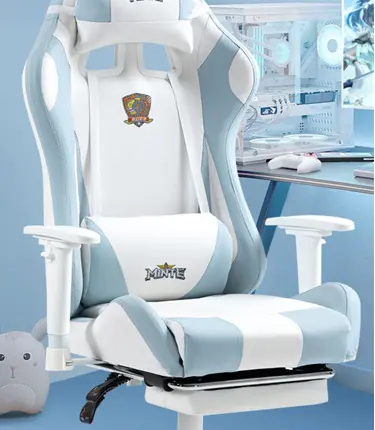
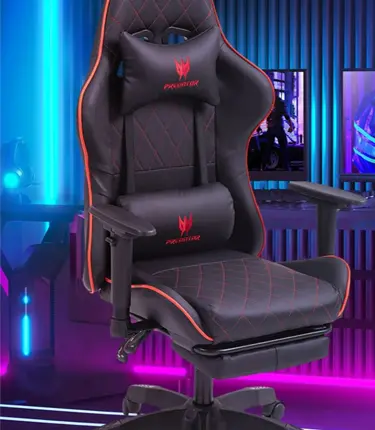
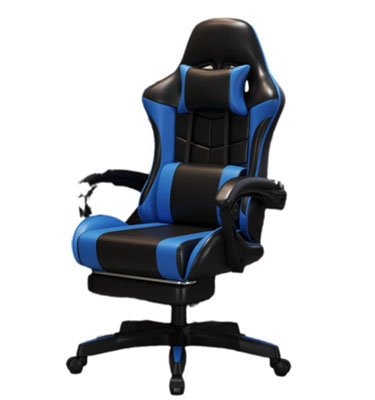
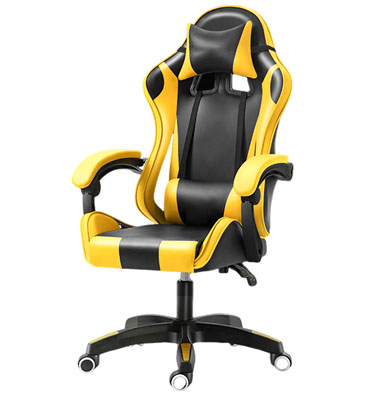
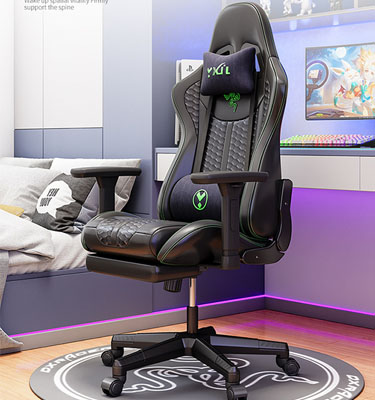

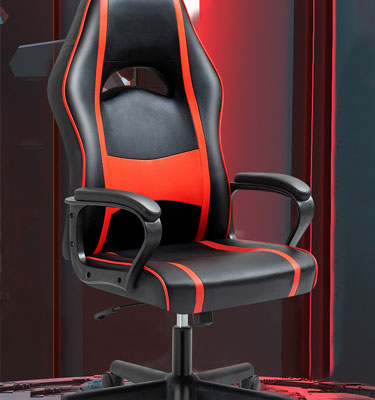


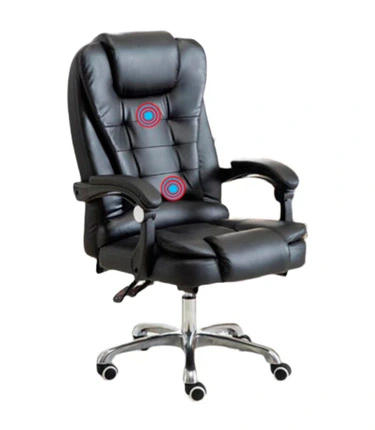
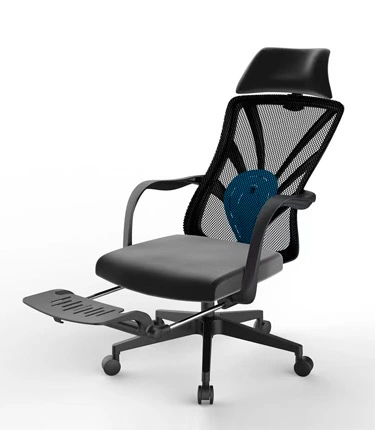
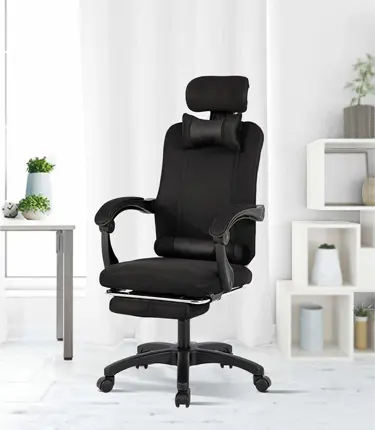
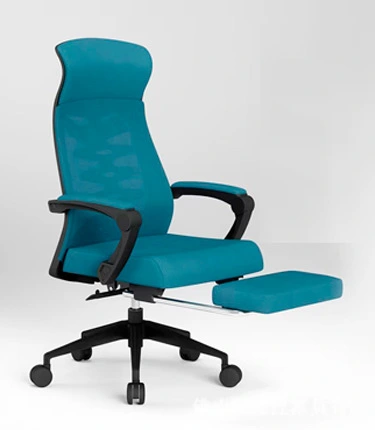
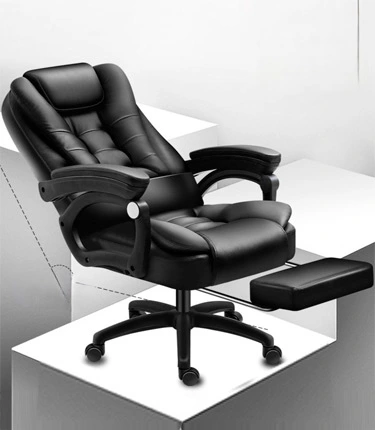
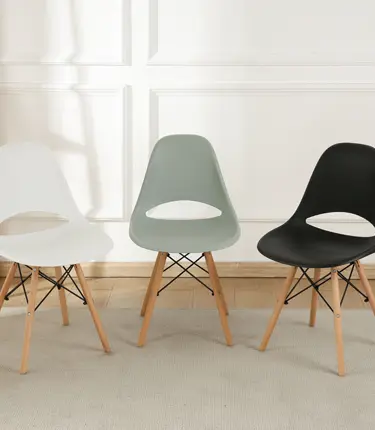
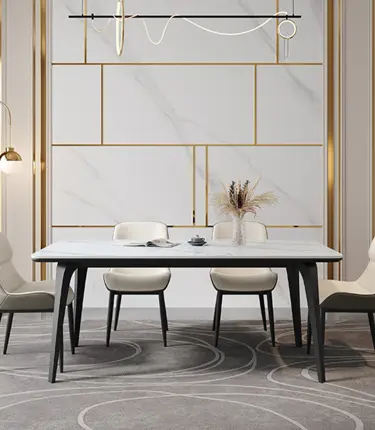
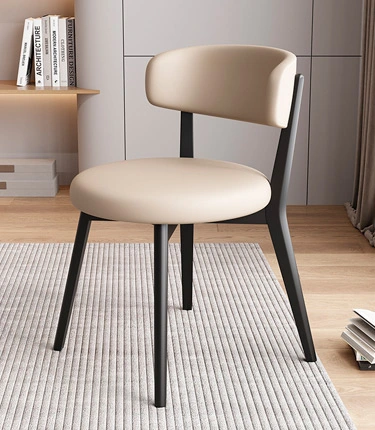
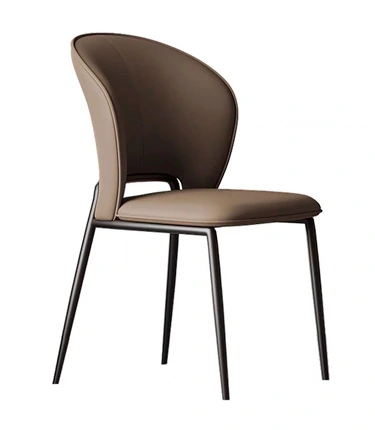
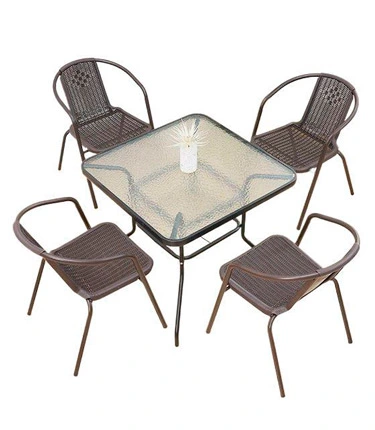
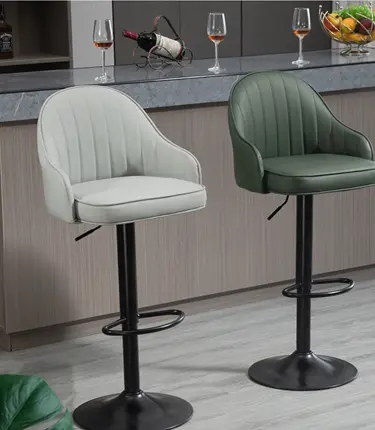
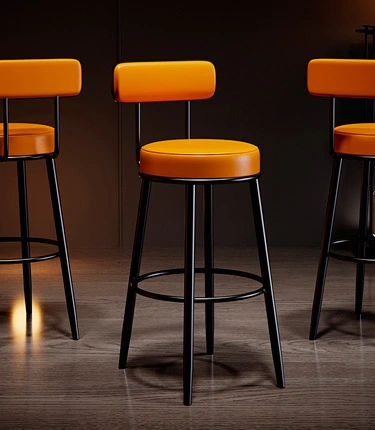
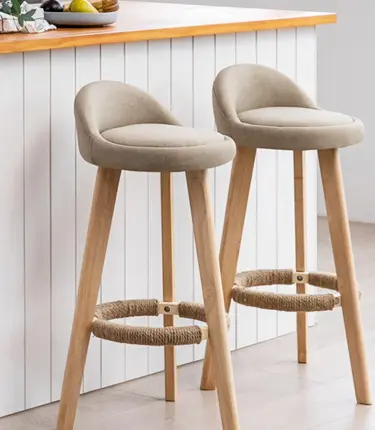
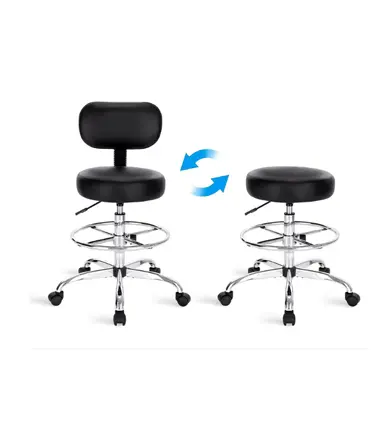
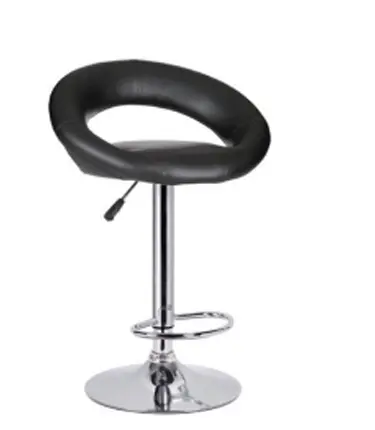
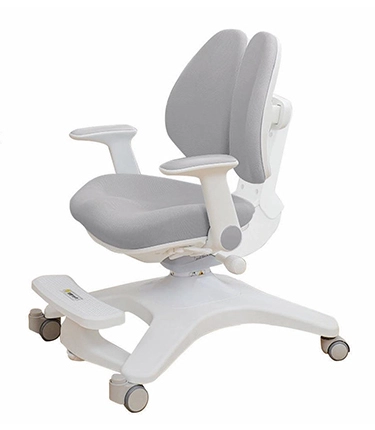
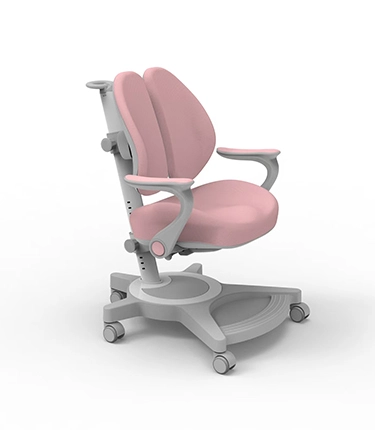
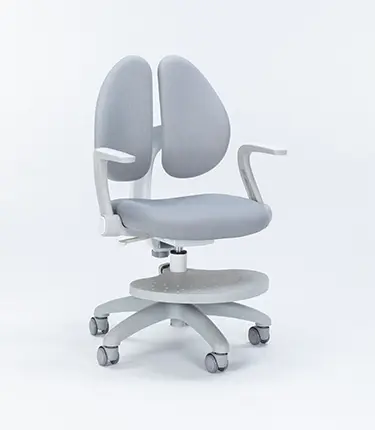
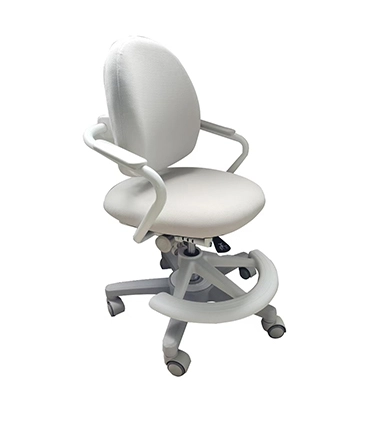
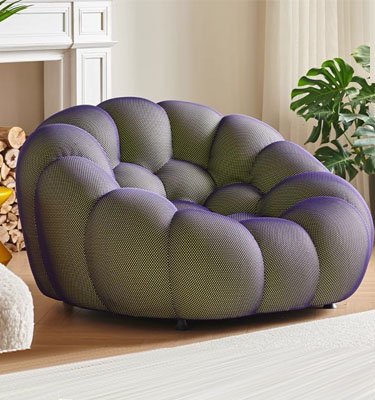
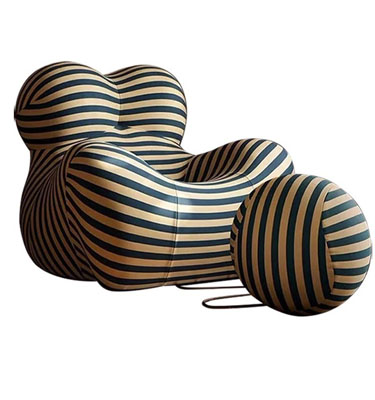


The global ergonomic chair market has evolved into a critical segment of the office furniture industry. With increasing health awareness, remote work trends, and consumer demand for comfort, health, and efficiency, the market shows strong growth potential. This analysis provides an overview of market size, segmentation, competitive landscape, consumption trends, and emerging opportunities.
The ergonomic chair industry has experienced steady growth in recent years, reflecting its significance within office furniture. According to research data, the global market size of ergonomic office chairs reached $16.885 billion in 2025 and is projected to grow to $23.950 billion by 2032, representing a CAGR of 5.12%. Growth is particularly strong in specific sub-segments such as ergonomic computer chairs, which are expected to reach 154.24 billion yuan by 2031 with a CAGR of 5.4%.
The market expansion is fueled by several factors. Rising health awareness drives demand as prolonged sitting risks become more recognized. Remote and hybrid working models post-pandemic have accelerated home office investment, making ergonomic chairs essential for productivity and well-being. Additionally, the market is undergoing consumer upgrade trends, shifting from "just sitting" to "sitting well", with growing expectations for comfort, health, and efficiency in seating solutions.
The ergonomic chair market is highly diverse in terms of product types, price ranges, and materials.
Ergonomic chairs can be classified by adjustability, design, and material. Adjustability ranges from less than 2 degrees of freedom, 2-3 degrees of freedom, to more than 3 degrees of freedom, with mid-level adjustable chairs striking a balance between functionality and cost, while high-end products target professional users.
In terms of design, options include traditional ergonomic chairs, kneeling chairs, saddle-style chairs, and fitness ball chairs, catering to different user preferences and scenarios. Material choices primarily include breathable mesh fabric and supportive sponge, with mesh favored for comfort and ventilation.
Ergonomic chairs are segmented into economy (< $250), mid-range ($250–$500), and high-end ($500+), each varying in material quality, adjustability, and durability. Applications span enterprise, government, educational institutions, and personal/home office use. Enterprise procurement currently dominates, driven by organizational focus on employee health and productivity, while personal home office adoption is rapidly increasing alongside remote work trends.
The global market exhibits a layered competitive structure. Leading brands such as Steelcase, Herman Miller, Haworth, HNI Corporation, and Okamura hold prominent positions due to technology, branding, and distribution advantages. Market clusters include:
Global leaders with extensive revenue and strong competitiveness.
Emerging players with moderate market share and reputation, closely following industry leaders.
Regional brands are focusing on local markets with lower brand recognition.
This structure encourages innovation, channel expansion, and brand-building efforts across the industry.
Consumer demand for ergonomic chairs is evolving towards diversification, personalization, and quality enhancement. Modern consumers prioritize ergonomic performance, environmental sustainability, and overall usage experience, reflecting a shift from "a chair to sit on" to "sitting healthily and comfortably".
According to the 2025 Ergonomic Chair Consumption Trend Report, over 52% of consumers plan to use ergonomic chairs at home, indicating robust potential. Regional variations are notable: North America and Europe are mature markets with stable demand, while China is experiencing rapid market growth and consumer upgrade trends, with domestic brands dominating due to faster supply chains and local market understanding.
Emerging trends emphasize customization and emotional design, enabling chairs to adapt to body types and preferences. Ergonomic chairs now play an active role in health management, moving from passive comfort provision to proactive wellness support. This creates opportunities for product differentiation and industry advancement.
Xinchi Fasteners Factory offers a wide range of high-quality ergonomic chairs, designed to meet professional, personal, and hybrid work needs. Advantages include:
Comprehensive Product Portfolio: Ergonomic chairs with various adjustability, design styles, and materials.
Premium Quality and Durability: Rigorous quality control ensures long-lasting comfort and reliability.
Customization and Large-Scale Supply: Tailored ergonomic solutions for enterprise and home office users.
Professional Support: Installation guidance, adjustment advice, and ergonomic recommendations enhance user experience.
Xinchi’s ergonomic chairs combine superior design, performance, and health benefits, positioning them as a reliable choice for businesses and individuals alike.