English
  日本語
日本語  한국어
한국어  français
  Deutsch
  italiano
  русский
  português
  العربية
  Gaeilge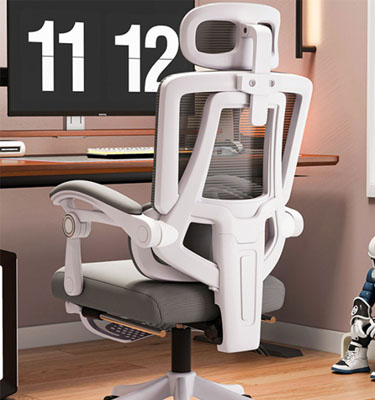


Address
PORT INDUSTRIAL ZONE,TIANHUANGPING TOWN, ANJI COUNTY,ZHEJIANG PROVINCE,CHINA
Nov 27, 2025
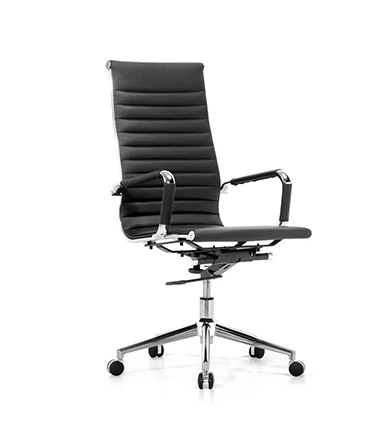
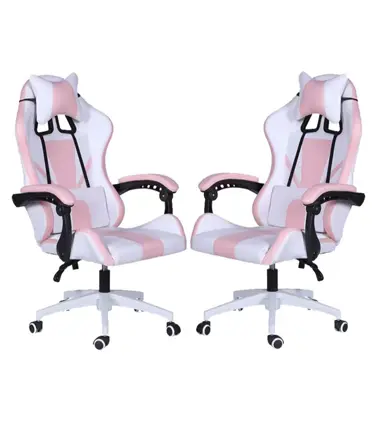
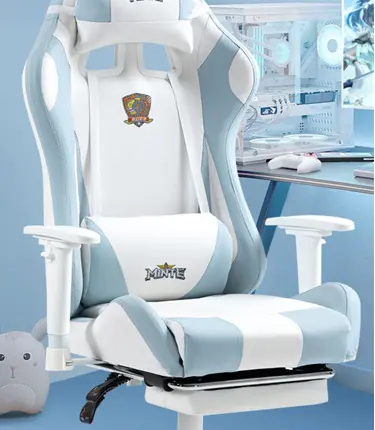
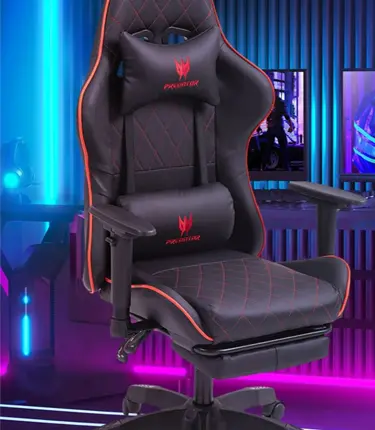
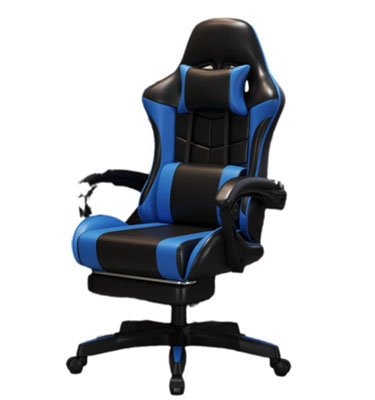
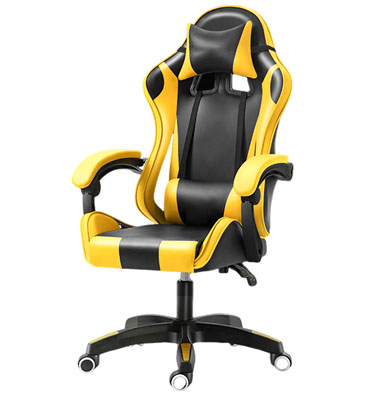
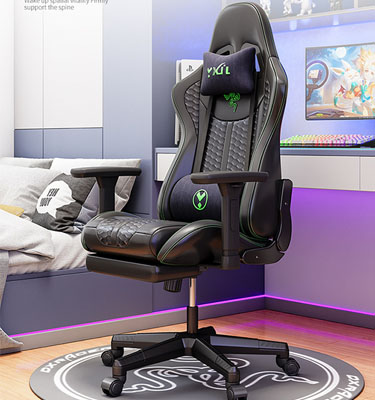

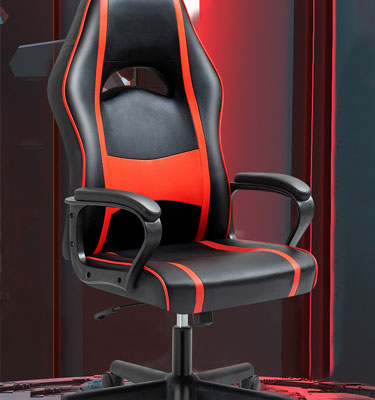


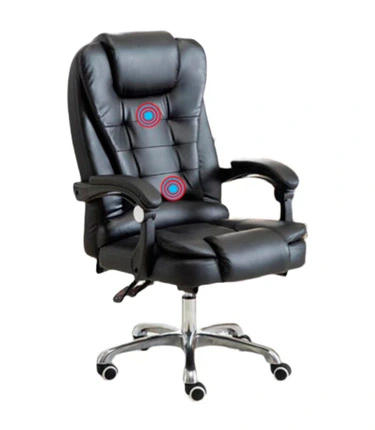
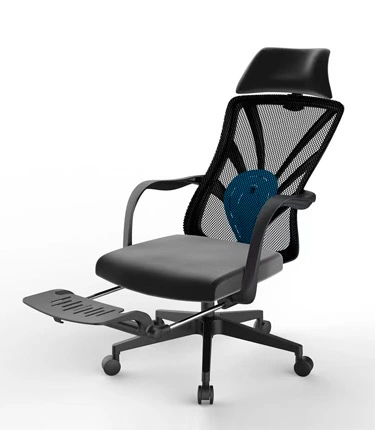
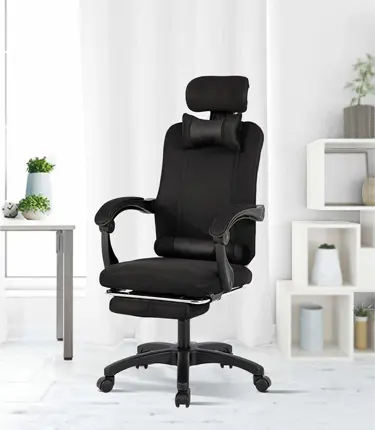
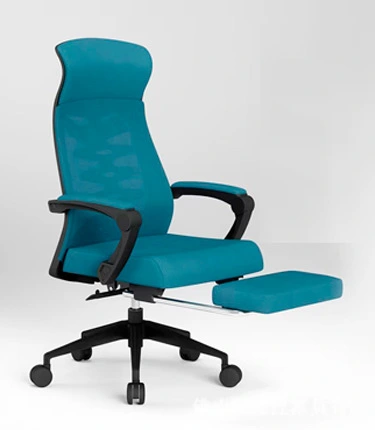
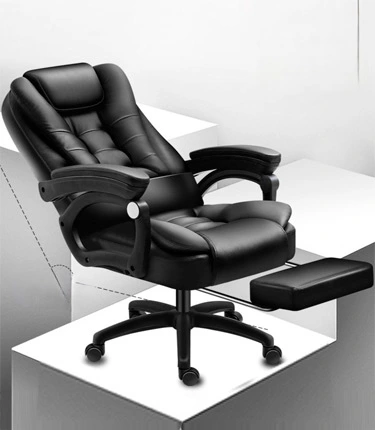
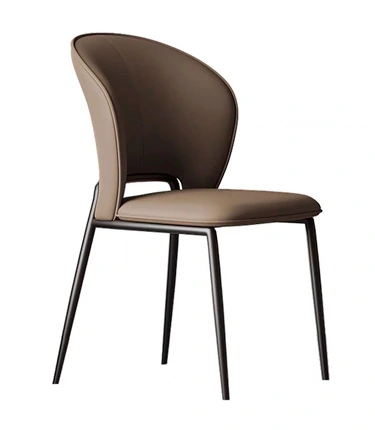
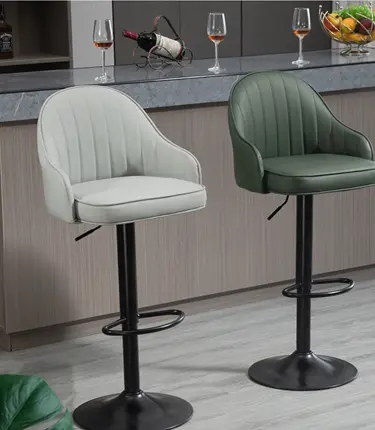
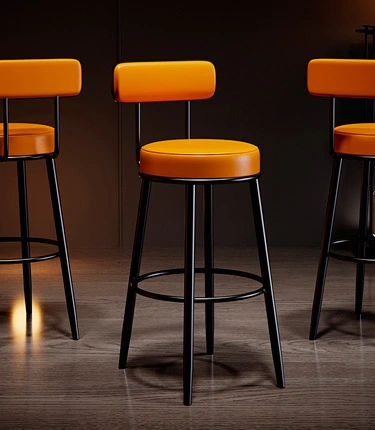


On a night when your back and waist ache, you stare at the cool advertisement of gaming chairs on the screen, wondering: Are these chairs genuinely effective, or just another marketing trick?
With the global rise of e-sports, e-sports chairs are projected to reach a market size of 1.65 billion US dollars by 2025. Both professional players and ordinary gamers increasingly rely on gaming chairs, but are they truly comfortable, or are they just the result of overwhelming marketing campaigns?
When watching live streams or e-sports videos, it's impossible to ignore the flashy gaming chairs.
Brands like AutoFull have built a “professional equipment” image by sponsoring top e-sports events such as LPL and KPL, and collaborating with renowned teams like RNG and LGD. In just one year, an overseas gaming chair brand achieved $20 million in sales through influencer marketing alone.
Marketing strategies for e-sports chairs include:
Long-term collaborations with streamers to keep logos visible during broadcasts
Social media challenges to engage players in content creation
Differentiated designs for regional markets: “ventilation + heating” in Europe, massage functions in North America, and compact designs in Japan
Beyond marketing, how comfortable are gaming chairs in real life?
Many users report a significantly improved sitting experience with high-quality e-sports chairs. One user said:
“The lumbar support on this chair is amazing! My lower back no longer hurts after hours of sitting.”
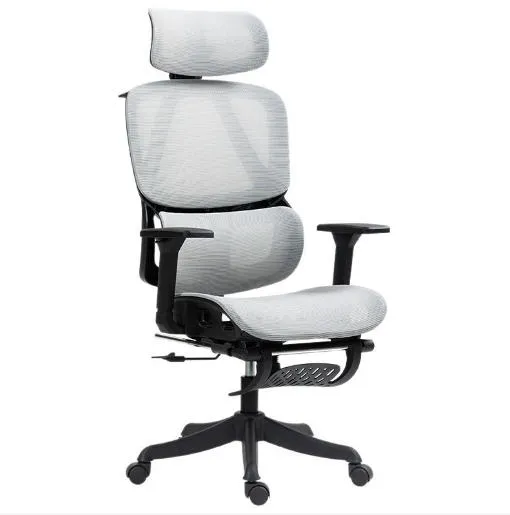
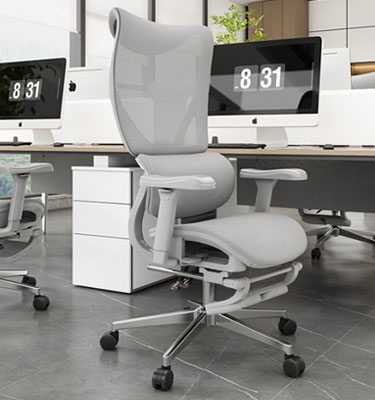
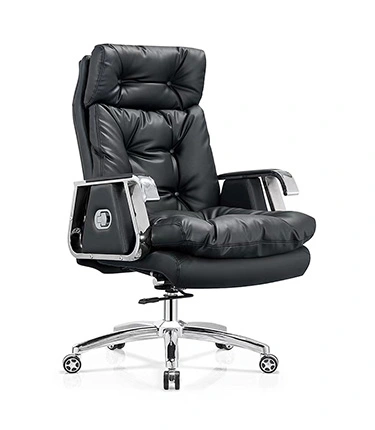
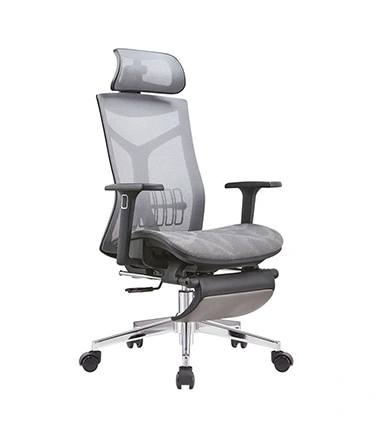
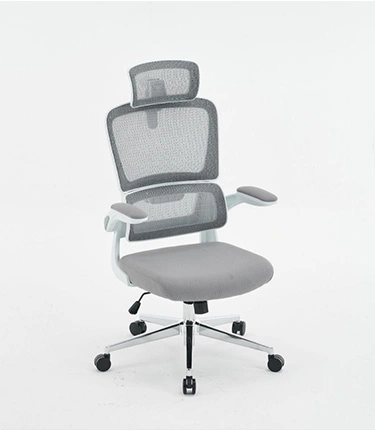
For example, the Ao Feng G7 ergonomic gaming chair uses breathable, elastic fabric for ventilation while providing strong support. Adjustable backrests, armrests, headrests, and seat depth ensure “full-body adaptation and flexible fitting,” allowing comfortable sitting for extended periods.
What sets gaming chairs apart from ordinary office chairs?
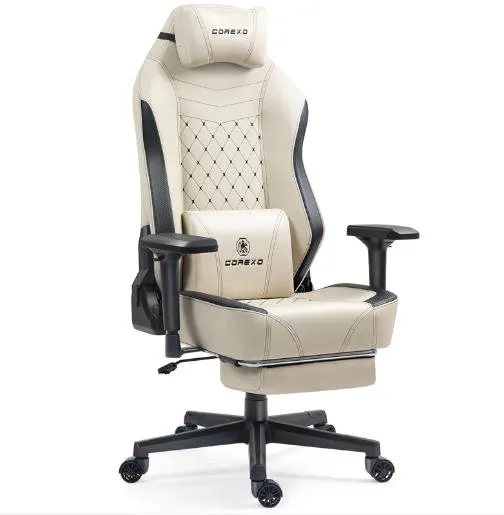
High-quality e-sports chairs often feature dynamic lumbar support systems that automatically adjust to different body types and postures, effectively reducing fatigue from prolonged sitting. Some high-end gaming chairs include mechanical armrests, four-way lumbar pillows, elastic adaptive adjustments, and even high-frequency deep massage functions.
In contrast, traditional office chairs often lack precise support, leading to back and neck fatigue after long periods of use.
Despite aggressive marketing, not all e-sports chairs are worth buying. Key points to consider:
Product quality varies: Some chairs mimic the appearance but ignore ergonomic design principles.
Personal needs matter: Heavy users benefit more from ergonomic gaming chairs, while casual users may be fine with standard office chairs.
Price ≠ comfort: High-end brands may have brand premiums; mid-range brands can offer better value for money.
When selecting a gaming chair, avoid focusing solely on appearance and marketing. Consider:
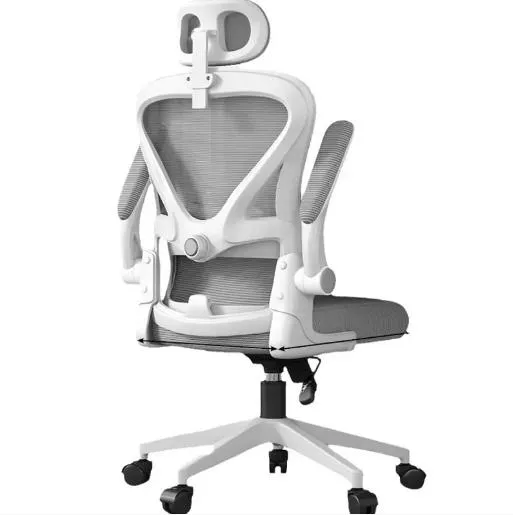
Adjustable features: Headrest, backrest, and armrest adjustability
Breathability: Mesh fabric and ventilation for comfort in warm conditions
Supportiveness: Lumbar support that maintains natural spinal curvature
Adaptability: Suitable for different postures—gaming, working, or resting
One experienced user concluded:
“A good gaming chair is not a luxury, but essential for maintaining health during long hours of sitting.”
While marketing plays a role, e-sports chairs offer genuine practical value when chosen carefully. The key is to select a gaming chair that meets your body’s needs, rather than being swayed by flashy designs or promotions.
The ultimate measure of a quality e-sports chair is whether your spine stays relaxed and comfortable even after prolonged use. Your back and waist will reveal the true answer.
Explore quality gaming chairs here: XC-50011 Andester Pioneer Internet Cafe Gaming Chair