English
 日本語
 한국어
 français
 Deutsch
 italiano
 русский
 português
 العربية
 Gaeilge
Address
PORT INDUSTRIAL ZONE,TIANHUANGPING TOWN, ANJI COUNTY,ZHEJIANG PROVINCE,CHINA
Sep 24, 2025



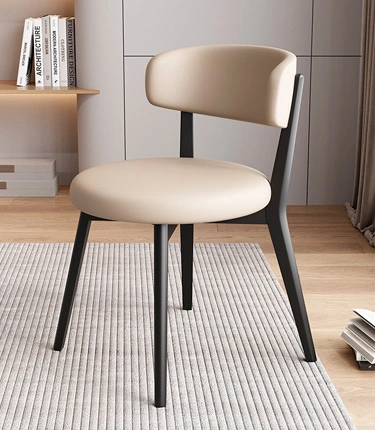
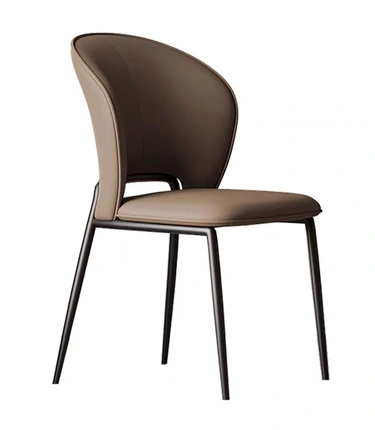
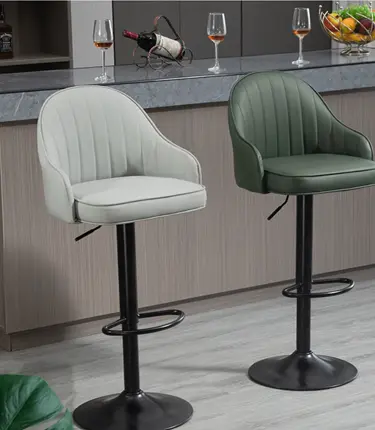
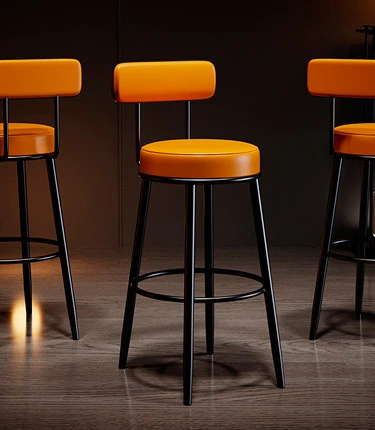
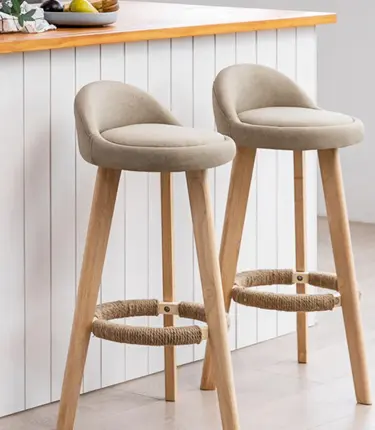
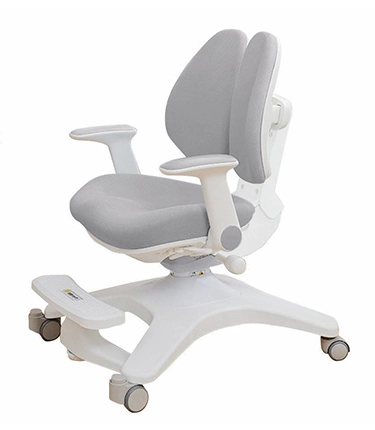
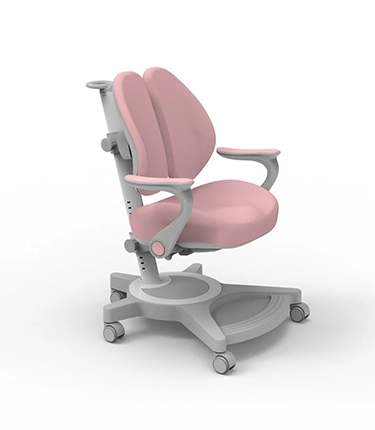
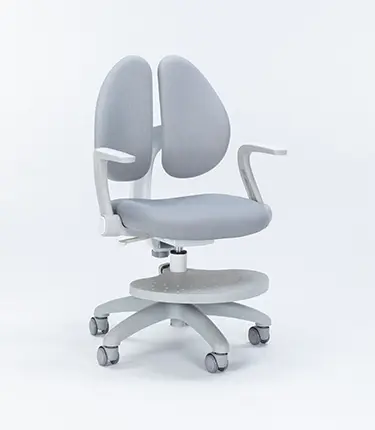
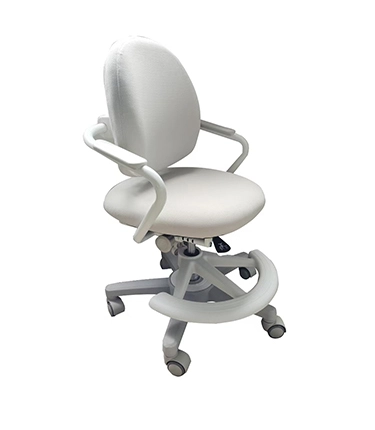
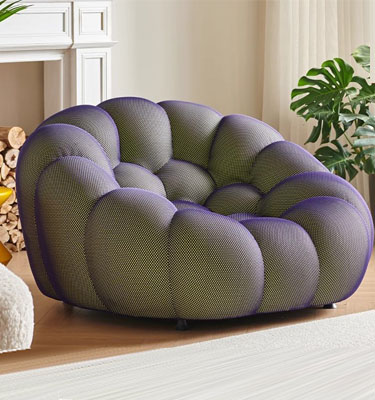
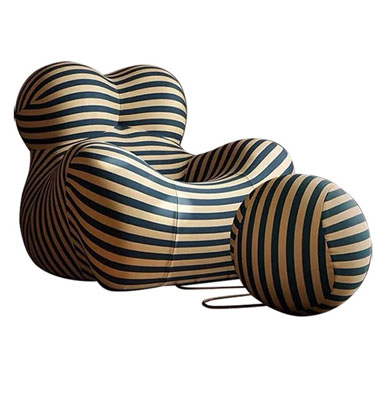
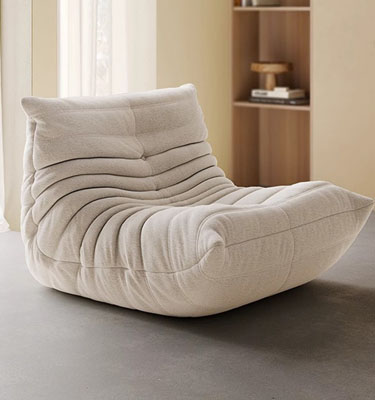
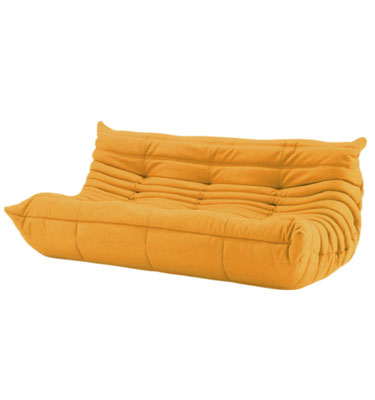

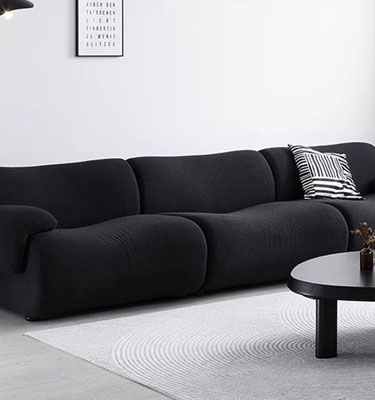
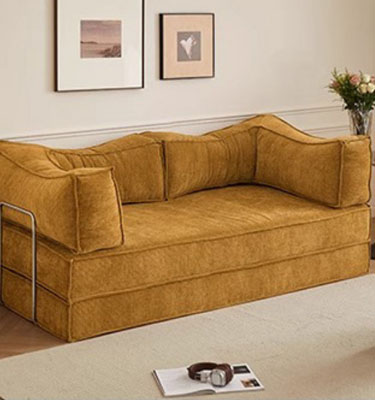
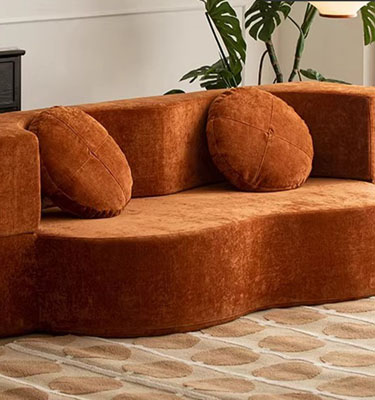

A compressed sofa is an upholstered sofa designed to be reduced in volume for packaging and transportation, then recover toward its intended shape after unpacking. Unlike conventional sofas that are shipped close to their full size, compression-compatible models typically use flexible upholstery and resilient foam structures that can tolerate temporary vacuum packing.
The concept has attracted attention from homeowners, furniture retailers, e-commerce sellers and hospitality buyers because it combines normal seating functionality with more compact logistics. However, not every compression sofa is built the same way. Foam quality, structure, fabric, recovery performance and intended use all affect the final seating experience.
For buyers, understanding how compressed seating works is more useful than judging it only by the size of the shipping carton.

A compressed sofa is seating furniture engineered so that its foam and upholstery can be mechanically or vacuum compressed for transport and subsequently recover after the package is opened.
Many designs reduce or eliminate the rigid internal frame found in conventional upholstered sofas. Instead, the body may rely heavily on high-resilience polyurethane foam, flexible fabric and shaped foam zones to create the seat, back and arm structure.
During packing, air is removed and the sofa is compressed into a much smaller volume. Once the packaging is opened, air returns to the foam cells and the material gradually expands.
Recovery is not always instantaneous. Xinchi's own care guidance recommends allowing approximately 24–48 hours after unpacking for a compressed model to regain its intended shape.
The relationship between packaged and usable dimensions can be substantial. For example, one Xinchi single-seat model lists a finished size of approximately 115 × 120 × 71 cm and a packed size of 120 × 35 × 35 cm. The manufacturer describes the compressed volume as approximately one-quarter of that of an ordinary sofa for this model.
These figures are product-specific, but they illustrate why the design differs from simply vacuum-packing an ordinary framed sofa.
Compressed sofas are becoming popular because they address several practical problems associated with delivering, storing and moving bulky upholstered furniture.
Traditional sofas occupy their full physical volume throughout warehousing and delivery. This can make them difficult to move through elevators, narrow corridors or smaller apartment entrances. A compressed sofa arrives in a more manageable package and expands after reaching the room where it will be used.
Several broader trends also support the format:
Growth of online furniture sales: Compact cartons are easier to handle through e-commerce and parcel-oriented fulfillment networks.
Smaller urban homes: Sofas that can reach apartments through restricted access points are increasingly useful.
Flexible interiors: Modular and frameless designs fit changing living arrangements and multifunctional rooms.
B2B logistics efficiency: Retailers and distributors can potentially store more units within the same warehouse footprint.
Design has also evolved. Early compressed furniture was often associated primarily with casual or temporary seating, while current products include modular sofas, sofa beds, lounge seating and multi-seat configurations.
The result is that a modern compression sofa is increasingly treated as a furniture category rather than simply a packaging technique.
The main benefits of a compression sofa are easier handling, reduced packaged volume, flexible placement and simpler deployment after delivery.
For homeowners, the most immediate advantage is accessibility. A compact carton can be easier to move through stairs, elevators and doorways than a fully assembled sofa. Many foam-based designs also require little conventional assembly once unpacked.
For businesses, the benefits extend to inventory and fulfillment. Furniture retailers, online sellers, hotels and serviced apartments may value compact storage and easier movement between locations.
However, buyers should evaluate more than convenience. Important considerations include foam resilience, sitting support, fabric durability and recovery consistency. A sofa that compresses extremely well but fails to recover its intended dimensions or support level would provide little long-term benefit.
Foam specifications are particularly important. Independent programs such as the CertiPUR-US technical guidelines evaluate flexible polyurethane foam using criteria related to physical performance, content and emissions. Certification is not mandatory for every market, but such standards illustrate the type of documentation buyers can consider when assessing foam quality.
Xinchi, for example, uses high-resilience foam across its compressed seating range. This type of product information is most useful when buyers compare it alongside density, recovery testing and the intended seating application rather than relying on marketing terms such as “soft” or “premium.”
The main difference between a compressed sofa and a traditional sofa lies in structural design and transport format rather than simply appearance.
| Factor | Compressed Sofa | Traditional Sofa |
|---|---|---|
| Packaging | Vacuum/compression packed | Usually shipped near full size |
| Internal structure | Often foam-dominant or flexible | Frequently rigid wood/metal frame |
| Delivery handling | More compact before opening | Bulkier throughout delivery |
| Setup | Usually limited assembly | May require leg/section assembly |
| Recovery | Needs time after unpacking | Immediately retains full form |
| Best fit | E-commerce, apartments, flexible spaces | Conventional residential/commercial use |
Traditional sofas remain appropriate when buyers prioritize rigid frames, specific spring systems or formal furniture construction. A compressed sofa is more attractive when transport efficiency and flexible installation are important.
The decision should also consider regulatory requirements. In the United States, upholstered furniture manufactured or imported for applicable uses is subject to federal flammability requirements under 16 CFR Part 1640. Buyers supplying the U.S. market can review the official CPSC upholstered furniture guidance when evaluating product compliance and documentation.
For wholesale buyers searching for a compressed sofa for sale, it is therefore worth comparing recovery performance, construction and market compliance—not only FOB price or carton dimensions.
A compressed sofa combines upholstered seating with a structure designed to tolerate temporary volume reduction during packaging. Its main advantages are compact transportation, easier delivery and flexible use, while its long-term value depends on foam resilience, structural support, fabric quality and recovery performance.
For households, the format can simplify furniture delivery into difficult spaces. For retailers and commercial buyers, it can also improve storage and fulfillment flexibility. When comparing products from a compressed sofa manufacturer such as Xinchi or other suppliers, buyers should focus on actual construction and test information rather than compression ratio alone.
The foam draws air back into its cellular structure after the vacuum packaging is opened, allowing the sofa to gradually recover its shape.
Recovery varies by foam and design. Some manufacturers recommend allowing approximately 24–48 hours for full expansion.
No. Compression describes the packaging and construction concept. Some compressed models are sofa beds, while others are standard lounge sofas.
They can be, provided the foam, upholstery and structure are designed for regular seating rather than temporary use.
Check dimensions, foam specification, recovery performance, fabric, construction, packaging size and applicable market requirements.
Neither is universally better. Compressed designs favor logistics and flexible placement, while traditional sofas may be preferred for specific rigid-frame constructions.