 English
 日本語
 한국어
 français
 Deutsch
 italiano
 русский
 português
 العربية
 Gaeilge
Address
PORT INDUSTRIAL ZONE,TIANHUANGPING TOWN, ANJI COUNTY,ZHEJIANG PROVINCE,CHINA
Apr 17, 2026





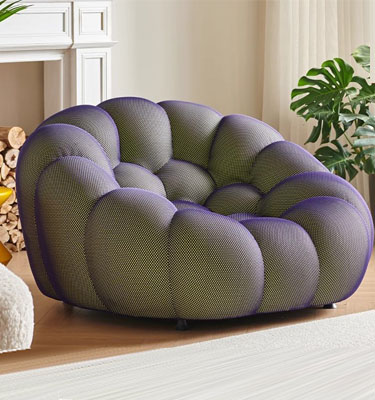
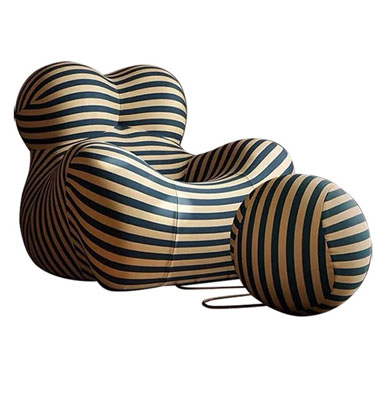
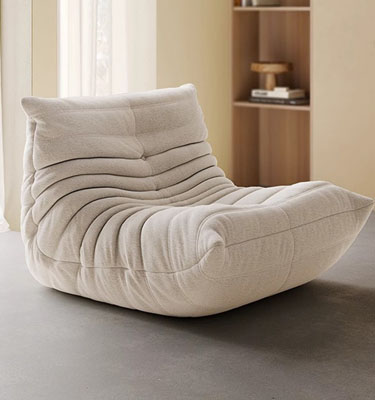
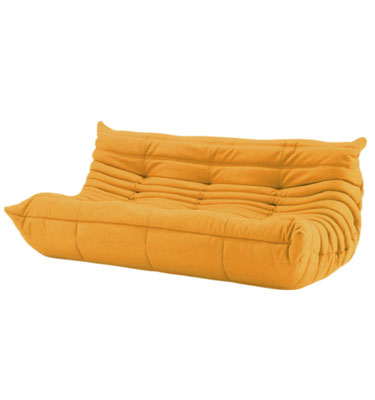

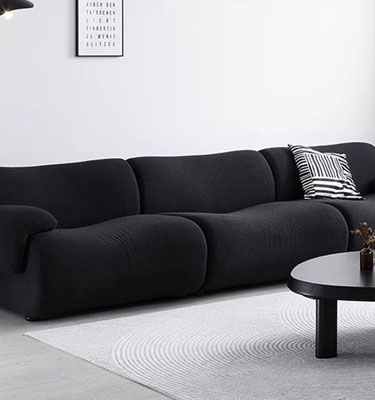
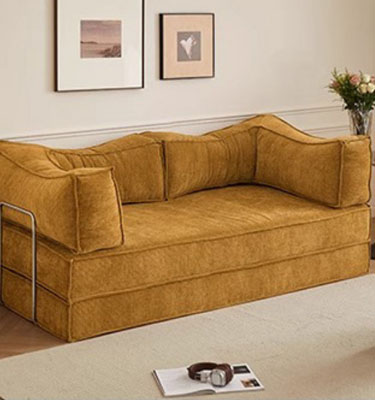
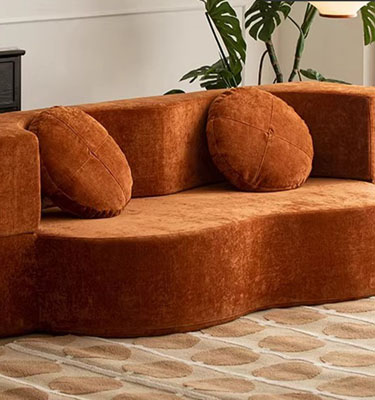

Choosing the right compressed sofa manufacturer is an important decision for furniture wholesalers, online brands, importers and hospitality buyers. Product appearance matters, but long-term sourcing success depends just as much on manufacturing consistency, customization capability, quality control, communication and delivery reliability.
A compression sofa also has sourcing requirements that differ from conventional upholstered furniture. The manufacturer must understand foam recovery, compressed packaging, upholstery construction and international shipment conditions while still producing furniture that performs properly after unpacking.
For business buyers, the best supplier is therefore not simply the factory offering the lowest quotation. A better approach is to compare production capability, specifications and commercial support before moving from samples to bulk orders.

A reliable compressed sofa manufacturer should be able to demonstrate consistent production, clear material specifications, repeatable quality control and the capacity to support the buyer's target market.
Start by examining whether the supplier actually specializes in compressed upholstered furniture. A general furniture factory may be able to produce sofas, but compressed models require additional knowledge of foam behavior, vacuum packing and recovery after long-distance storage.
Manufacturing capability should also match anticipated order volume. Ask whether cutting, sewing, foam shaping, upholstery, compression and final packing are controlled internally or outsourced. Greater process visibility makes it easier to identify where variations may occur.
Documentation is another useful indicator. Professional suppliers should be able to explain foam type, fabric composition, finished dimensions, packed dimensions, weight, packaging method and inspection criteria.
Quality management does not require every factory to follow the same certification system, but buyers can use frameworks such as ISO 9001 quality management as a reference when reviewing how a manufacturer manages inspection, traceability and corrective actions.
For a compressed sofa manufacturer, transparency about the product is usually more valuable than broad claims such as “premium quality” or “best factory.”
Selecting a compressed sofa supplier requires comparing product quality and manufacturing reliability together with commercial factors such as MOQ, lead time and communication.
A useful supplier comparison can include:
| Factor | What Buyers Should Verify | Why It Matters |
|---|---|---|
| Product consistency | Foam, fabric, stitching and dimensions | Reduces variation between batches |
| Production capacity | Monthly output and available lines | Supports repeat and seasonal orders |
| MOQ | Standard and customized order minimums | Affects inventory commitment |
| Lead time | Sample and bulk production schedule | Influences launch planning |
| Quality control | Incoming, in-process and final checks | Reduces shipment defects |
| Packaging | Carton strength and compression method | Protects products during transport |
| Communication | Drawing/specification confirmation | Prevents production misunderstandings |
Price should be evaluated only after these items are normalized. Two compression sofa suppliers may quote different prices because one includes upgraded fabric, customized cartons or additional inspection while the other quotes only a basic standard product.
For buyers selling into regulated markets, compliance is another consideration. For example, upholstered furniture entering the United States may fall under federal flammability requirements in 16 CFR Part 1640, and the U.S. Consumer Product Safety Commission's upholstered furniture guidance provides relevant information.
The correct supplier should therefore be judged against the specifications and market where the sofa will actually be sold.
Customization allows wholesale buyers to adapt a compressed sofa to their brand, target customer and distribution model without redesigning the entire product from the beginning.
Common customization areas include fabric type, color, overall dimensions, seat configuration, foam firmness, logo, labels, packaging artwork and carton specifications. Modular products may also allow buyers to combine single-seat, multi-seat and ottoman sections into a coordinated range.
Not every customization carries the same production impact. Changing fabric color may be relatively straightforward, while altering dimensions can require changes to foam cutting, fabric patterns and packaging. Buyers should therefore ask whether the requested modification changes MOQ, tooling requirements or lead time.
As one example of how wholesale programs may be structured, Xinchi currently states that its compressed sofa category supports custom size and color with a 100-piece customization MOQ. Individual models also list customer-specific sizing options, showing how a manufacturer can combine standard platforms with private-label adjustments.
For buyers evaluating a compressed sofa for sale under their own brand, customization should be confirmed through an approved sample before bulk production. A physical sample provides an opportunity to evaluate dimensions, upholstery, seating feel, recovery and packaging together.
Customization is most valuable when it solves a real commercial need rather than simply adding unnecessary variants.
The right questions help buyers determine whether a compressed sofa manufacturer can consistently reproduce the approved product at commercial scale.
Before placing a bulk order, ask:
What materials are used? Request foam, fabric and structural specifications rather than only product descriptions.
What is the MOQ? Confirm whether standard products and customized products have different minimum quantities.
How is bulk quality controlled? Ask which checks are performed before compression and before shipment.
Can you produce a pre-production sample? Bulk specifications should be confirmed against an approved reference.
What is the production lead time? Separate sample time from actual mass-production time.
What customization is available? Confirm fabric, dimensions, branding, labels and packaging individually.
What happens if quality problems occur? Understand the inspection, claim and corrective-action process before ordering.
Buyers should also ask how specifications are recorded. Important details such as fabric code, foam requirement, finished dimensions and carton marks should appear in written production documents rather than remain only in email discussions.
A capable compressed sofa supplier should be comfortable answering technical and commercial questions before requesting a deposit. Clear communication at this stage often prevents more expensive disputes after production has started.
Choosing a compressed sofa manufacturer requires more than comparing unit prices. Production capability, material transparency, quality control, customization, MOQ, lead time and market requirements should all be reviewed before a wholesale order is confirmed.
For businesses sourcing a compression sofa, an approved sample and a clearly documented specification provide a stronger foundation than promotional claims alone. Manufacturers such as Xinchi illustrate the growing specialization of this furniture category, but buyers should still evaluate every supplier against their own product, market and supply-chain requirements.
Confirm product specialization, materials, production capability, quality-control process and ability to meet your required specifications.
MOQ varies by factory and customization level. Standard products may have different minimums from custom colors, sizes or packaging.
Yes. Many manufacturers can customize labels, logos, cartons, colors and other branding elements for wholesale projects.
Yes. A sample helps verify comfort, dimensions, workmanship, recovery and packaging before committing to a larger order.
Not necessarily. A lower price may reflect different materials, specifications, inspection levels or packaging.
Provide model or design, quantity, dimensions, fabric requirements, target market, customization needs, packaging requirements and expected delivery schedule.


