English
 日本語
 한국어
 français
 Deutsch
 italiano
 русский
 português
 العربية
 Gaeilge

Address
PORT INDUSTRIAL ZONE,TIANHUANGPING TOWN, ANJI COUNTY,ZHEJIANG PROVINCE,CHINA
Jul 23, 2026
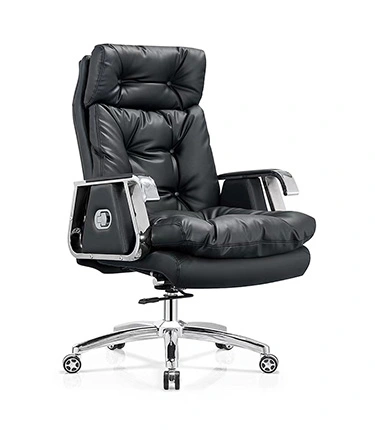
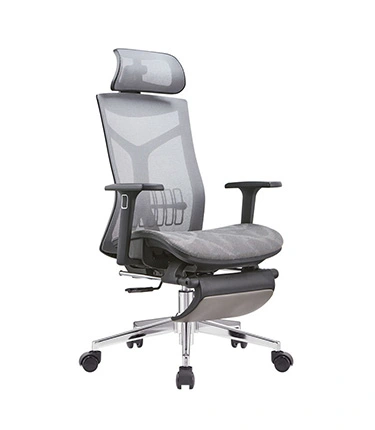
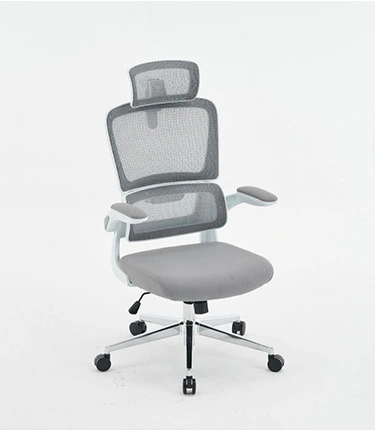
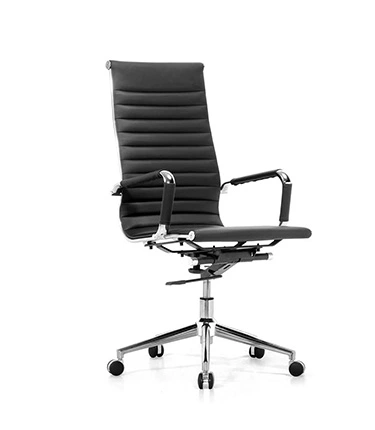
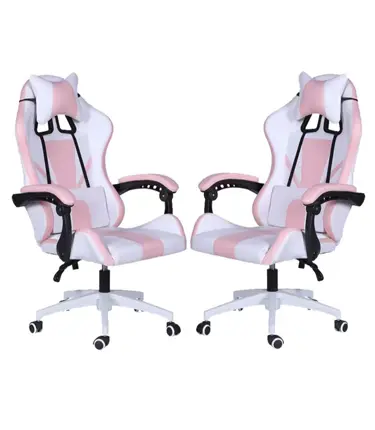
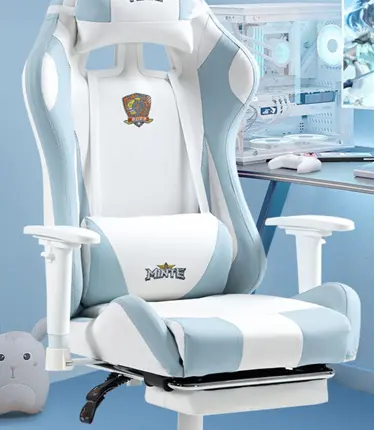
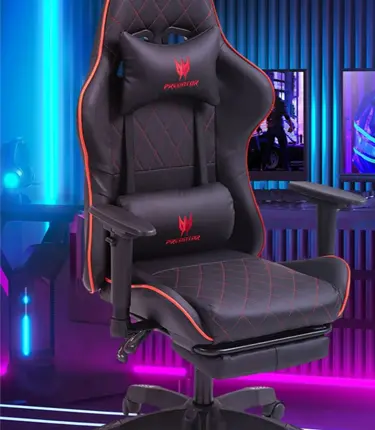
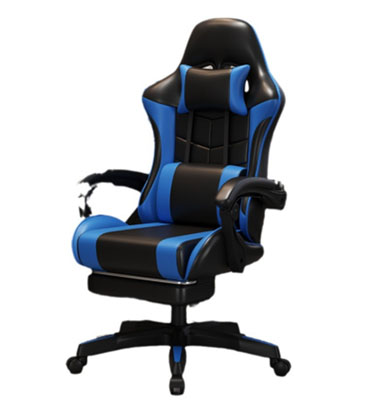
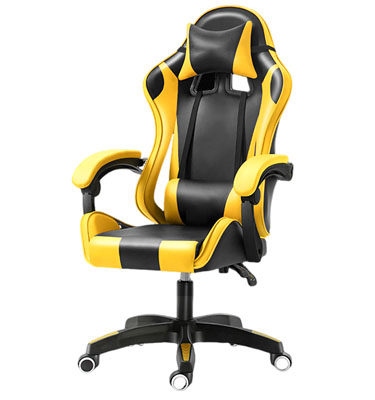
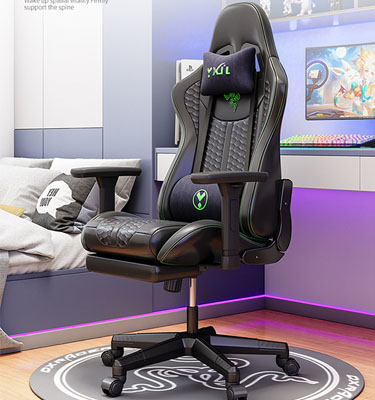

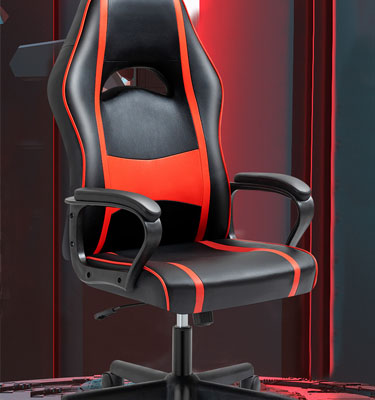


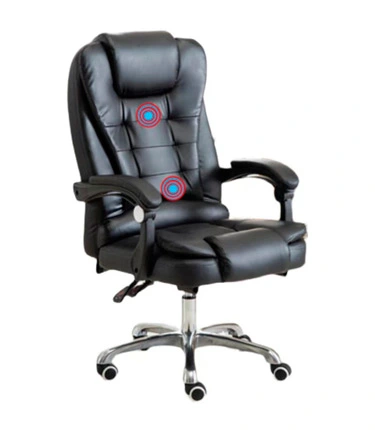
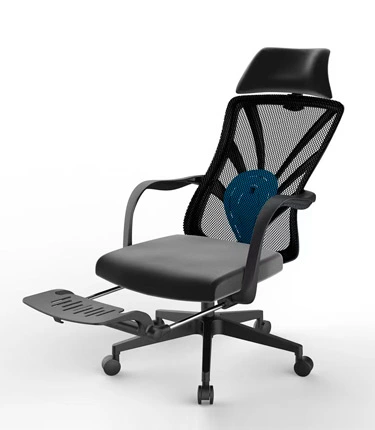
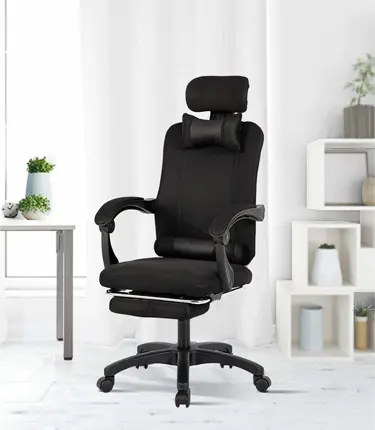
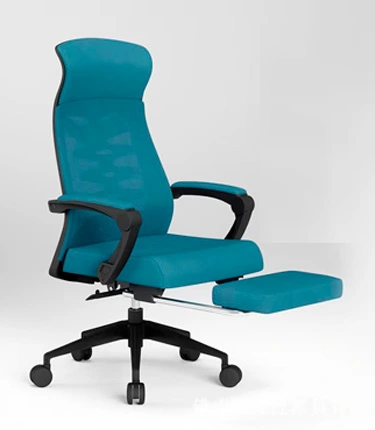
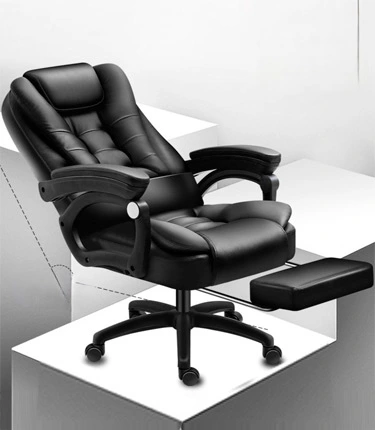
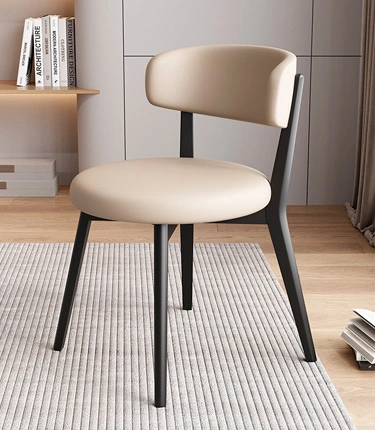
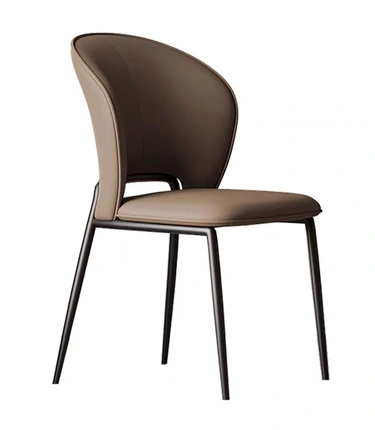
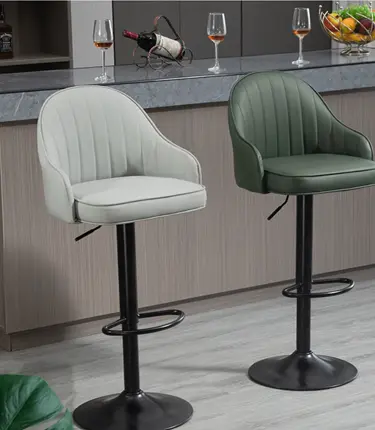
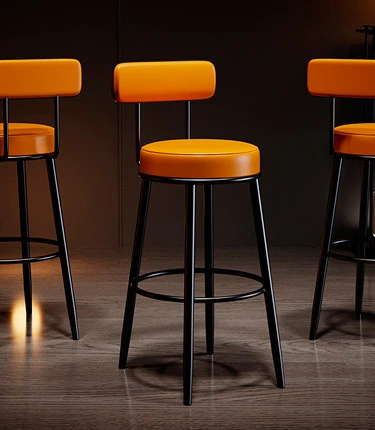
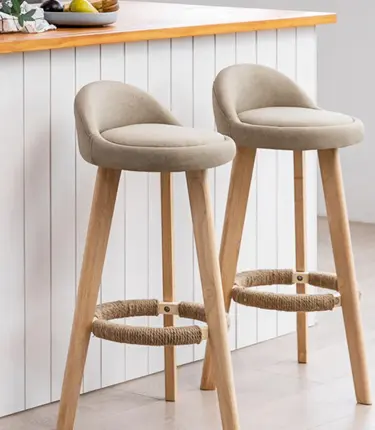
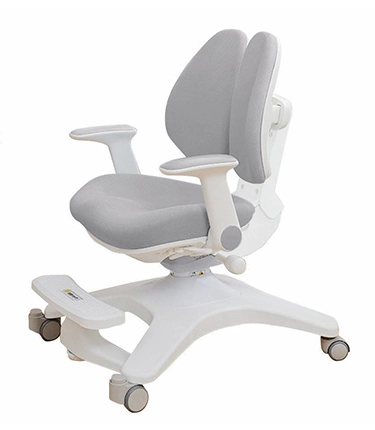
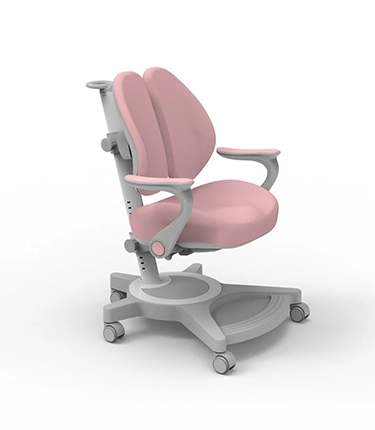
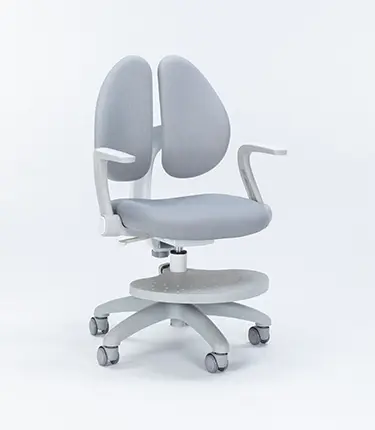
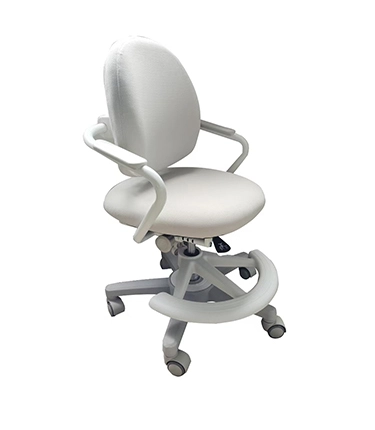


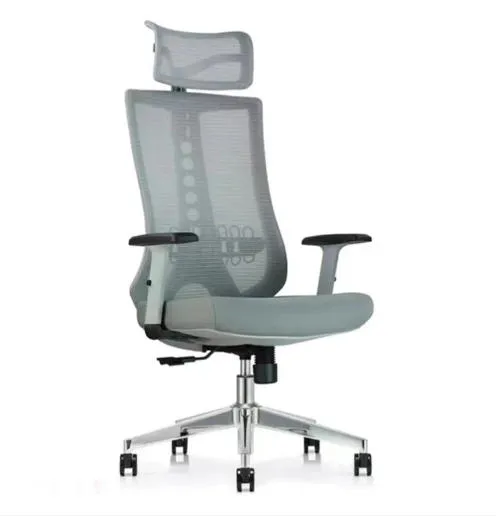
Choosing the right gaming chair involves more than comparing appearance and design. The material used in the chair directly affects comfort, durability, maintenance, breathability, and the overall user experience.
Among the most common options, PU leather and fabric are two popular materials used in modern gaming chairs. PU leather is often selected for its premium appearance and easy cleaning, while fabric is preferred by users who value airflow and a softer sitting experience.
For individual buyers, understanding material differences helps them choose a chair that matches their environment and usage habits. For retailers and distributors, material selection also affects product positioning, customer preferences, and market demand.
A professional gaming chair manufacturer should provide different material options to meet the needs of various users and markets.
Gaming chairs are commonly produced with materials such as PU leather, fabric, foam cushioning, and metal frame structures, each affecting the final performance of the chair.
The main materials used in a gaming chair include:
PU leather: A synthetic leather material known for its smooth surface, premium appearance, and easy maintenance.
Fabric: A breathable material that provides better airflow and a softer texture for long sitting sessions.
High-density foam: Used inside the seat and backrest to provide cushioning and support.
Metal frame: Provides structural strength and improves stability during long-term use.
The choice of material depends on the intended application. A gaming setup focused on visual style may prefer leather-like finishes, while users in warmer environments may value fabric because of its breathability.
For businesses, offering different material choices is important because customers have different expectations regarding comfort, appearance, and maintenance.
A PU leather gaming chair is popular because it combines a premium appearance with easy maintenance, making it suitable for many gaming and home-office environments.
One of the biggest advantages of PU leather is its visual appeal. The smooth surface creates a modern and stylish look that fits many gaming setups. It is also easier to clean because dust, spills, and stains can usually be removed with simple maintenance.
PU leather also provides a consistent appearance across large production volumes, which is useful for brands and retailers looking for standardized product designs.
However, PU leather also has some limitations. Compared with fabric, it may provide less airflow, especially during long sessions in warm environments. Over time, lower-quality synthetic leather may also experience surface wear if it is exposed to frequent friction or unsuitable conditions.
For users who prioritize appearance, easy cleaning, and a premium feel, PU leather can be an excellent choice. However, the environment and expected usage time should also be considered.
Fabric gaming chairs are valued for their breathability, softer texture, and comfort during extended sitting periods.
Unlike leather surfaces that can feel warmer after long use, fabric allows more airflow between the user and the chair surface. This makes fabric a popular choice for users who spend several hours gaming, working, or creating content.
Fabric materials can also provide a softer and more casual sitting experience. For users who prefer a less rigid surface or live in warmer climates, fabric may offer better everyday comfort.
However, fabric requires more attention when it comes to cleaning. Compared with PU leather, fabric surfaces can absorb dust or liquids more easily, which means maintenance routines may need to be more careful.
For manufacturers and buyers, the decision between PU leather and fabric is not about which material is universally better. It depends on the target users, climate conditions, design expectations, and intended application.
The material of a gaming chair influences comfort by affecting temperature control, softness, durability, and how the chair feels during long-term use.
Different users may experience materials differently because comfort depends on personal preferences and sitting conditions.
Important factors include:
Breathability: Fabric generally allows more airflow, which can improve comfort during longer sessions.
Surface feel: PU leather provides a smooth and structured feel, while fabric usually feels softer.
Maintenance needs: Leather-like surfaces are easier to clean, while fabric may require more care.
Long-term durability: Both materials can perform well when produced with suitable quality standards.
The internal structure of the chair is also important. Material alone does not determine comfort. Foam density, frame construction, ergonomic design, and adjustment functions all work together to create the final sitting experience.
A well-designed gaming chair should combine suitable materials with proper support features.
The material of a gaming chair plays an important role in comfort, appearance, maintenance, and long-term usability. PU leather provides a premium look and easy cleaning, while fabric offers better airflow and a softer sitting experience.
The right choice depends on the user's environment, sitting habits, and expectations. For retailers and businesses, working with experienced gaming chair manufacturers helps ensure access to suitable materials, reliable quality, and flexible customization options.
As a professional gaming chair china supplier, Xinchi Chair provides seating solutions with different designs, materials, and specifications to meet the needs of various markets. By selecting the right material and construction, buyers can create gaming chairs that deliver both comfort and long-term value.
Neither material is always better. PU leather is preferred for easy maintenance and appearance, while fabric is often chosen for breathability and softer comfort.
A high-quality PU leather gaming chair can provide good durability when produced with suitable materials and proper care.
Fabric gaming chairs can be more comfortable for some users during long sessions because they usually provide better airflow.
Regular cleaning with suitable products and avoiding excessive heat or harsh chemicals can help extend the lifespan of PU leather surfaces.
Yes. Many professional manufacturers offer PU leather, fabric, and customized material choices according to customer requirements.
Many buyers choose suppliers from China because they can access a wide range of designs, customization options, and manufacturing capabilities for different markets.