English
 日本語
 한국어
 français
 Deutsch
 italiano
 русский
 português
 العربية
 Gaeilge
Address
PORT INDUSTRIAL ZONE,TIANHUANGPING TOWN, ANJI COUNTY,ZHEJIANG PROVINCE,CHINA
Apr 17, 2025




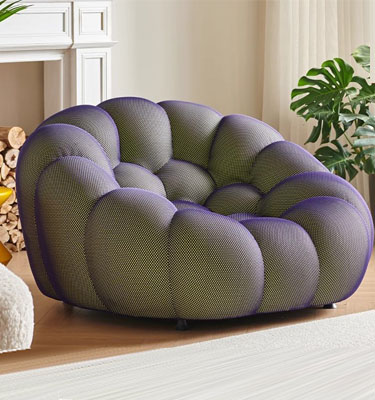
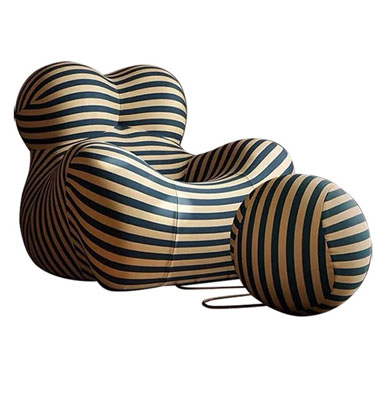
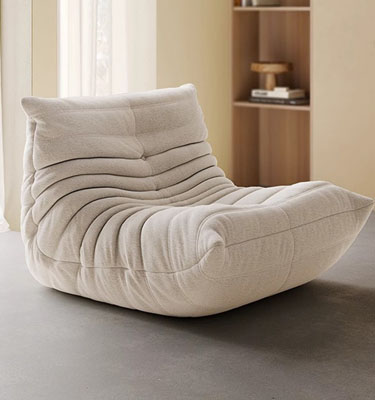
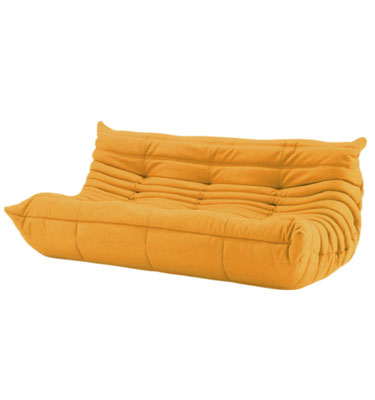

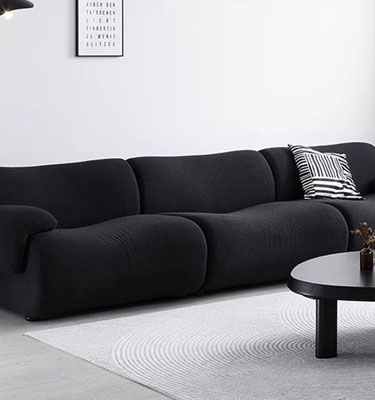
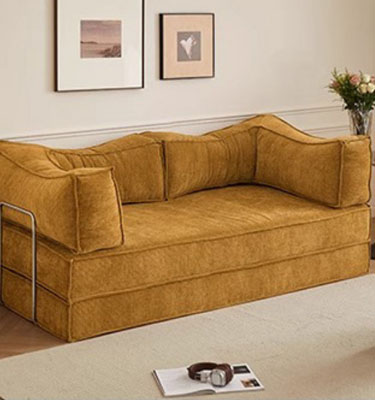
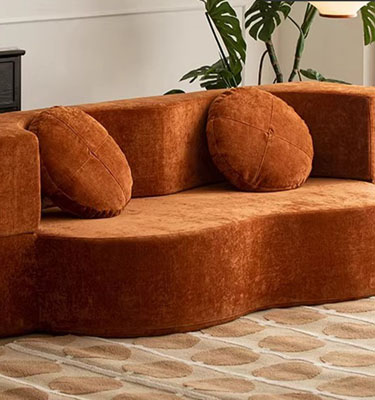

A compressed sofa and a traditional sofa can provide similar seating functions, but they differ significantly in construction, packaging, transportation and installation. A compressed design is engineered to reduce its volume during shipping and recover after unpacking, while a conventional sofa usually retains almost its full assembled shape throughout transportation.
For homeowners, the difference affects delivery convenience and room access. For furniture retailers and wholesalers, it can influence warehouse space, freight efficiency and fulfillment strategy.
Neither design is automatically better. Choosing between a traditional sofa and a compression sofa depends on where the furniture will be used, how it will be delivered, expected comfort and durability, and how much importance the buyer places on logistics efficiency.

The main difference between a compressed sofa and a traditional sofa is that the compressed design uses materials and construction intended to tolerate temporary volume reduction, while a traditional sofa normally relies more heavily on a rigid frame.
Many compressed models use resilient foam as a major structural and cushioning material. After vacuum or mechanical compression, the furniture can be packed into a much smaller carton and later recover after the package is opened.
Traditional sofas typically use a wood, metal or engineered structural frame combined with springs, webbing, foam and upholstery. Their rigid construction means that the shipping dimensions remain relatively close to the finished dimensions.
| Factor | Compressed Sofa | Traditional Sofa |
|---|---|---|
| Structure | Often foam-dominant or flexible | Usually rigid wood/metal frame |
| Shipping form | Vacuum or compression packed | Near finished size |
| Delivery access | Easier through restricted spaces | Can be difficult in narrow entrances |
| Setup | Usually minimal | May require legs or sectional assembly |
| Recovery time | Required after unpacking | Normally ready immediately |
| Typical advantage | Logistics flexibility | Conventional structural feel |
The sofa in a box concept therefore represents more than different packaging. To work properly, the materials themselves must tolerate compression and recover sufficiently afterward.
Compressed sofas generally offer greater shipping and storage efficiency because their packaged volume can be substantially smaller than their usable size.
This difference becomes especially important for furniture, because sofas occupy a large amount of cubic space relative to their weight. Traditional sofas may fill a truck or container before reaching its weight limit, making volume a major logistics cost.
A compressed format changes this relationship. As one real product example, Xinchi lists a single-seat compressed sofa with an expanded size of approximately 115 × 120 × 71 cm, while its shipping carton measures about 120 × 35 × 35 cm. The same listing states a 40HQ loading quantity of 435 units. These figures are specific to that model rather than a universal compression ratio, but they illustrate why furniture brands are exploring this format.
Compact cartons also simplify storage and last-mile handling. Retailers can potentially place more units in a fixed warehouse area, while consumers may find the package easier to move through elevators, stairs and apartment doors.
Traditional sofas still have an advantage when no recovery process is desired. They can usually be placed into use shortly after delivery, whereas a compression sofa may need time to regain its intended shape.
Comfort and durability depend more on foam quality, structural design, upholstery and construction than on whether a sofa is compressed or traditionally packed.
One common misconception is that every compressed sofa must be softer or less durable because it can be vacuum packed. In reality, compressed models can use different foam densities, resilience levels and internal zoning designs. Traditional sofas also vary greatly depending on frame quality, suspension systems and cushioning.
The important distinction is how the structure creates support. A conventional sofa may rely on springs, webbing and a rigid frame. A foam-dominant compressed model depends more heavily on the mechanical properties of its foam to maintain seat height, shape and support over repeated use.
For this reason, buyers should ask about foam performance rather than relying on descriptions such as “high density” or “premium.” The CertiPUR-US technical guidelines, for example, evaluate flexible polyurethane foam using physical-performance criteria including density, indentation force deflection and compression-set testing. These provide useful examples of the types of measurable properties that can be considered when assessing furniture foam.
A traditional sofa may be preferable when a buyer specifically wants the feel of a rigid frame or spring-supported seat. A well-designed sofa in a box, however, can suit buyers who prefer a softer, foam-based seating experience and easier delivery.
The better sofa type depends on the buyer's sales channel, customer expectations, logistics model and required seating experience.
A compressed sofa may be more suitable when:
E-commerce is the main sales channel. Smaller packaging can simplify fulfillment and home delivery.
Customers live in apartments or restricted-access properties. Compact cartons are easier to move into the final room.
Storage and freight volume matter. Distributors handling large quantities may benefit from reduced packaged volume.
Flexible or informal seating is desired. Foam-dominant designs can work well in apartments, lounges and casual spaces.
Traditional sofas may make more sense when customers prioritize rigid frames, specific spring constructions, formal furniture styles or immediate use after delivery.
Commercial buyers searching for a compressed sofa for sale should also evaluate the target market's compliance requirements rather than comparing packaging and price alone. In the United States, applicable upholstered furniture manufactured or imported for sale is subject to the federal flammability requirements codified in 16 CFR Part 1640, including testing and labeling provisions.
For brands such as Xinchi that work with compressed furniture, the product opportunity is therefore not simply “smaller packaging.” The stronger proposition is a sofa designed from the beginning around both seating performance and a different logistics model.
A compressed sofa and a traditional sofa solve different priorities. Traditional designs offer familiar rigid construction and immediate setup, while compressed designs emphasize compact transportation, easier delivery and flexible storage.
For consumers, the decision should consider comfort preference, access to the home and intended use. For retailers and wholesalers, shipping volume, warehouse efficiency, recovery performance and product compliance become equally important.
When comparing a compression sofa with a conventional model, the best choice is the one whose construction, logistics and seating performance match the actual purchasing scenario—not simply the one with the smaller carton or lower initial price.
It can be, but comfort depends on foam properties, seat depth, support design and personal preference rather than packaging method alone.
Recovery varies by product and foam. Some models recommend allowing approximately 24–48 hours after unpacking.
Usually the terms overlap, although “sofa in a box” describes the delivery format while compressed sofa describes the furniture and compression concept.
A compressed sofa is generally easier to move through narrow doors, stairs and elevators because the shipping carton is smaller.
Not necessarily. Durability depends on frame construction, foam quality, upholstery, joints and usage conditions.
Compare construction, foam performance, recovery, packaging dimensions, container efficiency, compliance requirements and expected customer use.