 English
 日本語
 한국어
 français
 Deutsch
 italiano
 русский
 português
 العربية
 Gaeilge

Address
PORT INDUSTRIAL ZONE,TIANHUANGPING TOWN, ANJI COUNTY,ZHEJIANG PROVINCE,CHINA
Oct 23, 2025














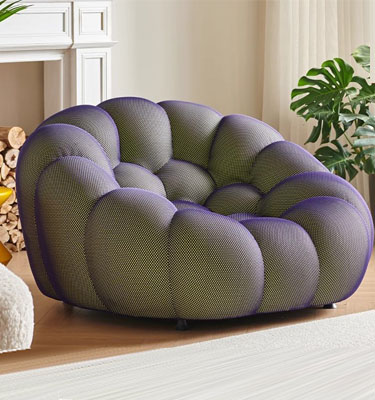

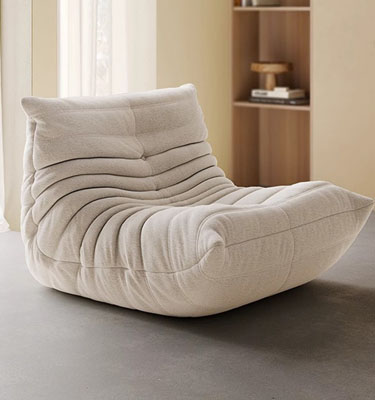
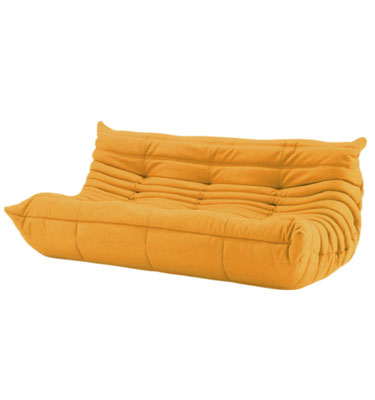

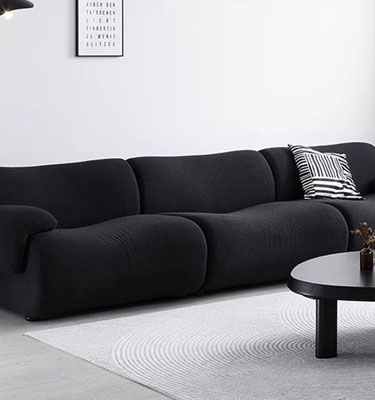

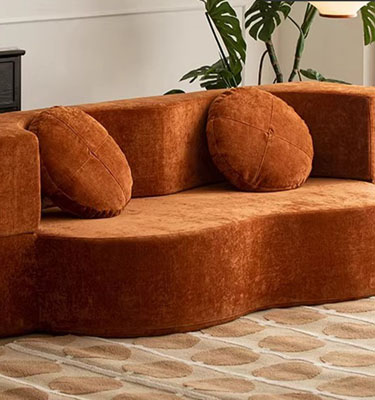

A compressed sofa is designed not only for seating comfort but also for a more efficient furniture supply chain. By using foam structures and upholstery that can tolerate temporary vacuum compression, the sofa can be packed into a much smaller carton before recovering after unpacking.
This matters because furniture transportation is often limited by volume rather than weight. Large sofas occupy substantial warehouse and container space even when they are relatively lightweight. Reducing packaged volume can therefore make sofa shipping easier to plan for e-commerce retailers, wholesalers and international furniture importers.
The growth of the compression sofa reflects a broader change in furniture distribution: products are increasingly being designed around both the end-user experience and the way they move through warehouses, containers and last-mile delivery networks.

Compressed sofas reduce shipping space by temporarily removing air from resilient cushioning materials and packaging the product in a smaller physical volume.
Traditional upholstered sofas generally retain their finished dimensions throughout storage and transportation. Even when legs or cushions are removed, the main frame still occupies a large amount of cubic space.
A compressed sofa is different because the internal construction is designed to tolerate substantial volume reduction. Foam-dominant models can be vacuum compressed, folded or rolled before being placed into a protective carton.
The difference can be significant. One Xinchi three-seat model has finished dimensions of approximately 180 × 102 × 70 cm, while its published packed size is 185 × 35 × 35 cm. The packaged carton therefore occupies about 0.23 m³, compared with more than 1.2 m³ for the simple rectangular envelope around the expanded product. These figures are specific to that model and should not be treated as a universal compression ratio.
For logistics planning, the real benefit is not merely a smaller carton. More compact units can make container loading, warehouse racking and internal handling easier to organize.
Compression sofa packaging can improve logistics efficiency by reducing carton size while protecting the furniture during storage and transportation.
A suitable packaging system normally combines vacuum film, moisture protection, external cartons and enough structural reinforcement to prevent damage during handling.
The practical advantages include:
Lower cubic volume: More units may fit within a fixed warehouse or container space.
Simpler handling: Compact cartons are easier to move through loading areas, elevators and residential entrances.
Better storage density: Retailers can hold more packaged units without increasing warehouse footprint.
E-commerce compatibility: Boxed furniture is easier to integrate into fulfillment systems than a fully expanded sofa.
Reduced exposure before delivery: Protective packaging keeps upholstery enclosed through much of the logistics process.
Packaging quality still matters. Excessive compression, inadequate moisture protection or weak cartons can create deformation or damage during long-distance transport.
Importers comparing a compressed sofa for sale should therefore ask for both expanded dimensions and packed dimensions. Recovery instructions, carton construction and maximum recommended storage period under compression are also useful purchasing information.
A compression sofa can simplify global furniture shipping by reducing the space occupied by each unit and making the product easier to handle across different logistics stages.
International furniture movement usually involves several steps: factory storage, container loading, port handling, ocean transportation, destination warehousing and final delivery. Bulky furniture creates challenges at almost every stage because large units consume valuable cubic capacity.
Compressed packaging changes the logistics profile. Instead of moving a sofa close to its finished dimensions, the importer handles a compact carton until the product reaches the customer or installation site.
| Logistics Stage | Traditional Sofa | Compressed Sofa |
|---|---|---|
| Factory storage | Large unit footprint | Smaller packaged footprint |
| Container loading | Volume intensive | Higher packing flexibility |
| Warehouse handling | Bulky to move | Carton-based handling |
| Last-mile delivery | May require large access space | Easier through doors/elevators |
| Final setup | Usually immediate | Requires unpacking and recovery |
This is particularly useful for cross-border e-commerce, apartments, serviced accommodation and furniture retailers managing many SKUs.
The benefit should still be evaluated by complete landed cost. A smaller package does not eliminate ocean freight, customs duties, local delivery or warehouse expenses. It simply changes the amount of physical space assigned to each sofa.
For international purchasing contracts, the official Incoterms® rules are useful for clarifying which party is responsible for transport, risk and logistics costs at different stages of the shipment.
Manufacturers such as Xinchi have increasingly developed sofa models around this logistics-first concept, but buyers should still evaluate each product by actual carton size, recovery performance and target-market requirements rather than relying only on the term “compressed.”
Importing compressed sofas requires evaluating the product, packaging and destination-market requirements together before placing a commercial order.
Several issues should be confirmed:
Expanded and packed dimensions: These figures are needed for container and warehouse planning.
Recovery performance: Ask how long the sofa should remain unpacked before reaching its intended shape.
Foam and structural design: The materials need to tolerate temporary compression without excessive permanent deformation.
Packaging specification: Confirm carton construction, protective film and moisture-control measures.
Storage conditions: Long periods under excessive heat or pressure may affect some foam materials.
Compliance requirements: Upholstered furniture regulations vary by destination market.
For example, applicable upholstered furniture sold in the United States is subject to federal flammability requirements under 16 CFR Part 1640. Importers serving the U.S. market can review the official CPSC upholstered furniture guidance when checking compliance obligations.
Importers should also request samples before large-volume procurement. A sample shipment provides an opportunity to verify carton size, unpacking procedure, recovery, comfort and upholstery condition after transportation.
The best compressed sofa sourcing decision therefore considers logistics efficiency and finished-product quality together.
The growth of the compressed sofa is closely connected to the changing logistics needs of modern furniture distribution. Vacuum compression can reduce packaged volume, simplify storage and make bulky seating easier to move through container, warehouse and last-mile delivery networks.
For retailers and importers, however, successful sofa shipping depends on more than compression ratio. Packaging strength, foam recovery, carton dimensions, storage conditions and destination-market compliance all need to be considered.
A well-designed compression sofa is therefore best viewed as furniture engineered for both comfortable use and a more space-efficient supply chain.
Vacuum compression removes much of the air from resilient foam, allowing the sofa to occupy a smaller temporary package.
Properly engineered foam can recover after compression, but material quality and storage conditions affect the result.
Recovery varies by model. Some products recommend allowing roughly 24–48 hours after unpacking.
Yes, particularly when their packaging and materials are designed for long-distance storage and transport.
Request expanded size, packed size, recovery guidance, foam information, carton specification and applicable compliance documents.
Not necessarily. Smaller volume can improve logistics efficiency, but actual landed cost still depends on freight rates, route, duties, handling and delivery.


