 English
 日本語
 한국어
 français
 Deutsch
 italiano
 русский
 português
 العربية
 Gaeilge

Address
PORT INDUSTRIAL ZONE,TIANHUANGPING TOWN, ANJI COUNTY,ZHEJIANG PROVINCE,CHINA
Jun 04, 2026




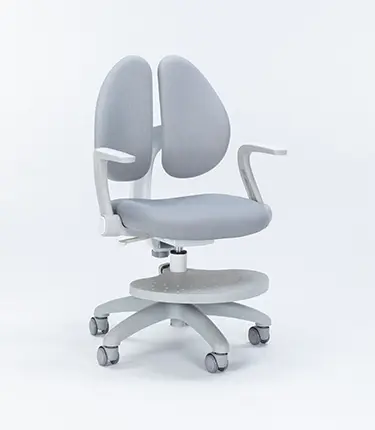
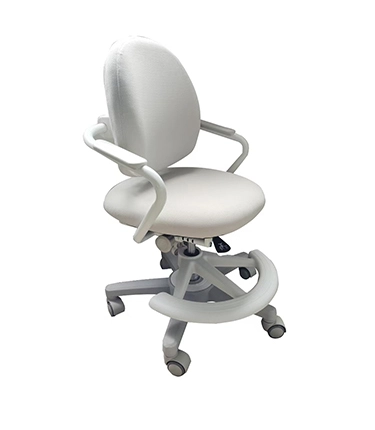
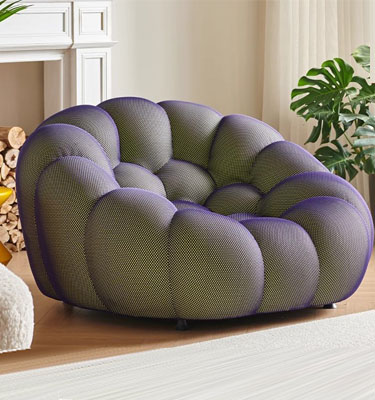
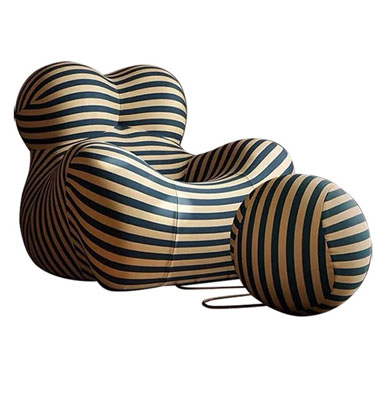
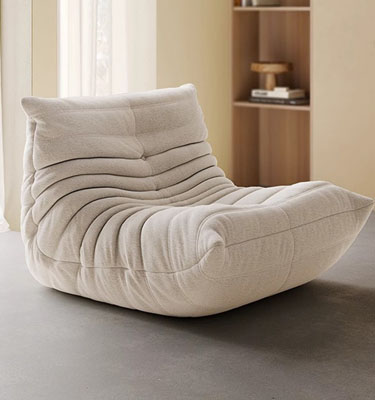
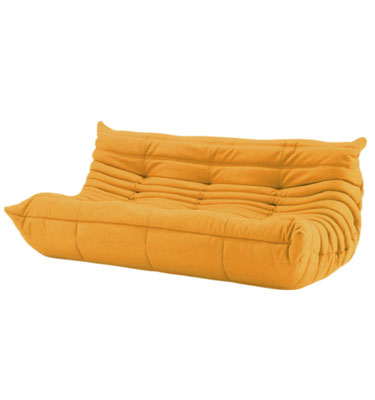

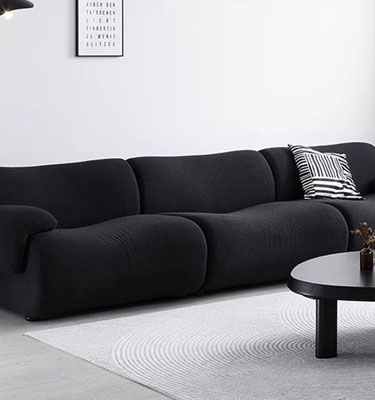
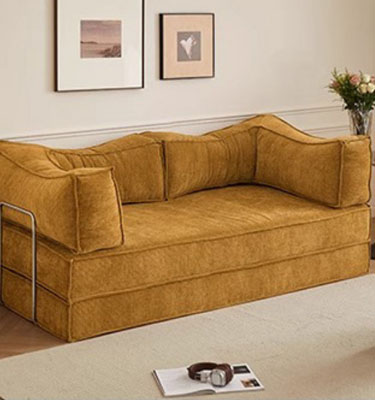
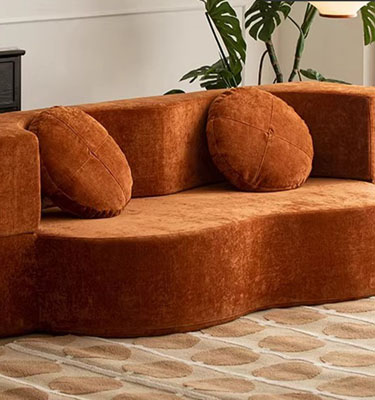

A compressed sofa can be durable enough for everyday residential or commercial use, but lifespan depends heavily on foam quality, structural design, fabric durability and how the sofa is used after unpacking. Compression itself does not automatically make a sofa less durable. The real question is whether its materials are designed to recover after vacuum packing and resist repeated loading over time.
For buyers, compressed sofa quality should therefore be judged by measurable construction details rather than packaging format alone. Foam density and resilience, frame reinforcement, upholstery abrasion resistance and long-term deformation all influence how the sofa feels after months or years of use.
A well-designed compression sofa can offer both compact shipping and reliable seating performance when these elements are properly matched.

The lifespan of a compressed sofa depends mainly on foam performance, seating frequency, body load, construction quality and maintenance rather than on compression packaging itself.
There is no universal lifespan that applies to every product. A sofa used occasionally in a guest room will experience far less mechanical stress than one used daily in a family living room, rental apartment or hotel lounge.
Foam-dominant designs are especially dependent on resistance to permanent compression. Over time, repeated sitting can reduce seat height or resilience if the foam does not recover effectively after loading.
Xinchi states in one of its existing material guides that selected high-resilience foam configurations are designed for long-term seating and compression performance, while some products are positioned for service periods exceeding five years under normal use. These are manufacturer-specific claims rather than a universal lifespan for all compressed sofas.
For buyers, a more useful question is therefore not “Will this sofa last five or ten years?” but “What construction and test data support the expected service life?”
Compressed sofa durability is determined by the interaction between material quality, structural support, user load and environmental conditions.
The main factors include:
Foam density and resilience: Better-quality foam generally retains shape and support more consistently under repeated loading.
Compression recovery: The sofa should regain its intended dimensions and firmness after vacuum packaging.
Daily usage intensity: A sofa used eight hours a day will age faster than occasional seating.
Load distribution: Sitting repeatedly on the same edge or position can accelerate localized deformation.
Heat and sunlight: Prolonged exposure may contribute to foam and fabric aging.
Moisture and ventilation: Humid conditions can affect both upholstery and internal materials.
One useful industry reference is ASTM D3574, which provides standardized test methods for flexible polyurethane foam, including density, indentation force, fatigue and compression-set related testing. These tests do not predict an exact sofa lifespan, but they provide more meaningful material data than marketing descriptions such as “high density” alone.
For wholesale buyers, asking a compressed sofa manufacturer about fatigue and recovery testing can therefore be more useful than simply asking whether the product is “durable.”
Compressed sofa quality depends on how the foam, internal support structure and upholstery work together during both compression and normal seating.
| Component | What to Check | Why It Matters |
|---|---|---|
| Seat foam | Density, resilience, fatigue performance | Influences support and sagging |
| Back foam | Recovery and softness | Affects comfort and shape |
| Frame/support | Foam-only, reinforced or hybrid structure | Influences stability |
| Fabric | Abrasion, stretch and seam strength | Affects appearance and service life |
| Stitching | Seam quality and reinforcement | Prevents premature tearing |
Foam is particularly important because many compressed designs rely on it for both cushioning and part of the structural support. Higher density does not automatically mean greater comfort, but very low-density foam may lose support more quickly under repeated loading.
The CertiPUR-US technical guidelines illustrate how flexible polyurethane foam can be evaluated using physical tests such as density, indentation force deflection, fatigue loss and compression set. Their 2025 guidance, for example, includes fatigue testing using 8,000 cycles under ASTM D3574 procedures for certain foam categories.
Frame design also matters. Some compressed sofa models are entirely foam-based, while others use reinforced boards, metal components, springs or hybrid support structures. A heavier or more formal sofa may benefit from reinforcement, while frameless designs prioritize flexibility and compressibility.
Fabric should be selected according to the intended market. Homes with pets, rental properties and hospitality projects may require higher abrasion resistance than occasional-use residential seating.
Proper maintenance helps a compression sofa retain its shape, upholstery condition and seating comfort for longer.
Several simple practices can reduce unnecessary wear:
Allow the sofa to recover fully after unpacking before subjecting it to heavy use.
Rotate or change seating positions to avoid repeatedly loading one area.
Vacuum upholstery regularly and clean stains according to the fabric-care instructions.
Avoid long-term direct sunlight or excessive heat.
Keep the sofa dry and ventilated, particularly in humid environments.
Do not repeatedly recompress the sofa unless the product is specifically designed for that purpose.
Xinchi's existing care guidance recommends allowing approximately 24–48 hours after unpacking for foam to regain its shape and also advises avoiding heavy loading during the initial recovery period.
Maintenance cannot compensate for poor materials, but it can help a well-made compressed sofa retain more consistent comfort and appearance over time.
A compressed sofa can provide durable everyday seating when foam resilience, structural support, fabric quality and recovery performance are properly engineered. The compression process itself is not the main durability risk; poor materials and inadequate construction are.
For consumers and B2B buyers, compressed sofa quality should be evaluated through foam specifications, fatigue performance, frame design, fabric durability and intended usage. A reliable compressed sofa manufacturer should be able to explain these details rather than relying only on claims about compact packaging or fast rebound.
Yes, provided the foam, structure and upholstery are designed for repeated daily loading.
Properly selected resilient foam can recover after compression, but poor-quality foam may develop permanent deformation.
High-resilience foam with appropriate density and verified fatigue performance is generally preferable for frequent use.
They can, just like traditional sofas. Sagging depends largely on foam quality, usage intensity and load distribution.
Many models recommend approximately 24–48 hours for full recovery after unpacking.
Check foam specifications, recovery performance, structure, fabric durability, seams and available test data rather than packaging claims alone.


